

Unveiling the Revolution: China's Prefabricated Substation Solutions Reshape Power Distribution
2026-01-12
In an era where innovation is key to sustainable power distribution, China's prefabricated substation solutions are leading a transformative wave. At the heart of this revolution is Lugao, a pioneering brand redefining how we approach energy infrastructure. Imagine a world where substations are not just functional but smart, modular, and ready to deploy in record time. This blog explores the cutting-edge developments that are reshaping grids and empowering communities, all while showcasing the remarkable impact of China's advancements. Curious about how these solutions can solve modern energy challenges? Dive in to discover the future of power distribution, brought to you by Lugao.
The Evolution of Power Distribution in China's Infrastructure Boom
In recent decades, China has witnessed an unprecedented surge in infrastructure development, driven by rapid urbanization and economic expansion. This boom has fundamentally reshaped power distribution, moving from isolated, inefficient systems in rural areas to integrated national grids capable of supporting massive industrial and urban demands. Early efforts focused on basic electrification, but as cities grew and technology advanced, the focus shifted toward building smarter, more resilient networks that prioritize reliability and sustainability, ensuring that energy flows seamlessly to power everything from megacities to remote villages.
A key milestone in this evolution was the development of ultra-high-voltage (UHV) transmission lines, which allow electricity to be transported across vast distances with minimal losses. This innovation has been crucial in connecting energy-rich western regions, abundant in coal and renewables, to power-hungry coastal cities. Beyond just expanding capacity, this approach has enabled a more balanced distribution of energy resources, mitigating regional imbalances and supporting nationwide economic growth while reducing reliance on localized fossil fuels and enhancing grid stability.
Looking ahead, the transformation of China's power distribution is increasingly intertwined with digital technologies and green energy initiatives. Smart grids, incorporating sensors and AI, optimize real-time power flow and improve response to fluctuations, while investments in solar, wind, and hydroelectric power are diversifying the energy mix. These advancements not only boost efficiency but also align with global climate goals, positioning China as a leader in sustainable infrastructure. As the infrastructure boom continues, ongoing innovations promise to make power distribution more adaptive, secure, and environmentally friendly, paving the way for a future where energy supports both economic vitality and ecological balance.
Innovative Designs in Modular Substation Technology
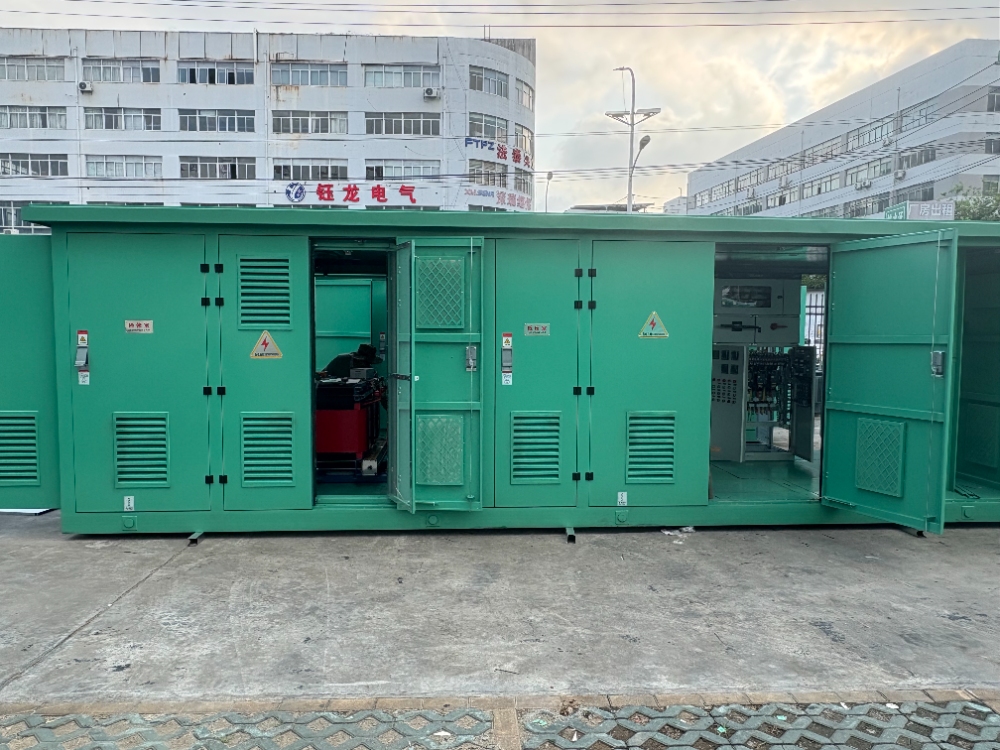
Modular substation technology has undergone a transformative shift with cutting-edge designs that prioritize flexibility and efficiency. Unlike traditional fixed installations, these modern systems feature prefabricated components that can be easily assembled on-site, drastically reducing construction timelines. Innovations such as compact switchgear and integrated smart monitoring sensors allow for real-time data analysis, enabling proactive maintenance and minimizing downtime in power distribution networks.
Recent advancements also emphasize enhanced safety and sustainability through eco-friendly materials and advanced insulation techniques, which reduce environmental impact while ensuring reliable operation in diverse climates. This modular approach isn't just about convenience; it's reshaping how utilities adapt to fluctuating energy demands and renewable integration, offering a scalable solution that can expand or reconfigure with minimal disruption.
Furthermore, the adoption of digital twin technology in modular substations allows for virtual simulation and optimization before physical deployment, streamlining the design process and improving overall system resilience. This blend of physical robustness and digital intelligence sets a new benchmark for cost-effective and adaptable power infrastructure, making modular designs a cornerstone of future-proof electrical grids.
Streamlining Energy Delivery with Customizable Solutions
In today's rapidly evolving energy landscape, diversifying supply sources and adapting to fluctuating demand patterns is crucial. Customizable solutions enable utilities and businesses to tailor energy delivery systems to specific operational needs, reducing wastage and enhancing reliability. By integrating flexible technologies like smart grids and renewable energy storage, we can optimize distribution channels and ensure a more resilient infrastructure that supports both economic growth and environmental sustainability.
Unlike one-size-fits-all approaches, our customizable frameworks allow for real-time adjustments based on user data and local conditions. This adaptability not only mitigates risks associated with energy shortages or price volatility but also fosters innovation in energy management. Clients benefit from cost-effective strategies that evolve with their changing requirements, making energy delivery not just efficient but also forward-thinking and scalable across different sectors and regions.
Through collaborative partnerships and advanced analytics, we can design bespoke energy solutions that prioritize efficiency and long-term value. This focus on customization ensures that energy delivery becomes a seamless, integrated process, eliminating bottlenecks and empowering organizations to achieve their goals with minimal environmental impact. By embracing these tailored strategies, we pave the way for a smarter, more responsive energy future.
Enhancing Grid Reliability through Advanced Assembly Methods
When it comes to building a resilient power grid, the way components are put together often makes or breaks the system's long-term performance. Modern assembly techniques, such as precision welding and modular construction, go beyond traditional methods by reducing points of failure and enabling faster repairs during outages. By minimizing human error and enhancing structural integrity, these approaches ensure that the grid can withstand extreme weather and increasing demand.
Another aspect involves smart assembly processes that integrate sensors directly during manufacturing, allowing for real-time monitoring of stress and wear. This proactive maintenance, facilitated by advanced robotics and automated quality checks, helps predict failures before they happen, keeping the grid operational with fewer disruptions. It's a shift from reactive fixes to a more sustainable, forward-thinking model.
In practice, utilities adopting these methods report not only improved reliability but also cost savings over time, as fewer resources are spent on emergency repairs. By focusing on how things are assembled—rather than just what is assembled—the industry can build grids that are both robust and adaptable, ready to meet future energy challenges head-on.
Cost-Effective Implementation for Rapid Urban and Rural Expansion
Balancing rapid development with budget constraints requires smart strategies that prioritize scalability and resource efficiency. Instead of relying solely on large-scale infrastructure projects, many regions are adopting modular approaches where smaller, adaptable systems can be expanded incrementally as needs grow. This not only reduces initial capital outlays but also allows for adjustments based on real-time feedback from communities, ensuring that expansion aligns with local demands without wasteful spending.
Innovations in materials and construction techniques play a crucial role in keeping costs manageable during fast-paced expansion. For example, prefabricated components and recycled materials can slash expenses while maintaining quality, and digital tools like drones and GIS mapping streamline planning to avoid delays. By integrating these technologies, urban and rural areas can accelerate growth while minimizing financial strain, making expansion more sustainable in the long run.
Successful implementation often hinges on collaborative models that engage both public and private sectors, fostering partnerships that share risks and rewards. Pilot programs in underserved areas can test new ideas cheaply before wider rollout, and community-led initiatives ensure that solutions are tailored to specific contexts. This bottom-up approach not only cuts costs by leveraging local knowledge but also builds resilience, turning rapid expansion into an opportunity for inclusive, cost-effective development rather than a burden.
Future Prospects and Global Applications of Chinese Prefabricated Systems
As urbanization accelerates worldwide, Chinese prefabricated systems are poised to revolutionize construction practices with their rapid assembly and efficiency. These systems leverage advanced manufacturing techniques to produce modular components off-site, which can be quickly assembled on location, significantly reducing project timelines and labor costs. This method is particularly advantageous in addressing housing shortages and infrastructure demands in fast-growing cities, offering a sustainable solution that minimizes waste and environmental impact compared to traditional methods.
On the global stage, Chinese prefabricated systems are gaining traction due to their adaptability to diverse climates and regulatory environments. Companies are exporting these systems to regions with high construction needs, such as Africa and Southeast Asia, where they help build schools, hospitals, and residential units efficiently. Innovations in materials, such as the use of lightweight steel and sustainable composites, enhance their durability and energy efficiency, making them attractive for international projects seeking cost-effective and eco-friendly options.
Looking ahead, the integration of smart technologies like IoT sensors and digital twins is expected to further elevate the capabilities of Chinese prefabricated systems, enabling real-time monitoring and predictive maintenance. This progression positions China as a leader in the global construction industry, offering scalable solutions that not only meet immediate needs but also pave the way for more resilient and innovative urban development worldwide.
FAQ
China's prefabricated substation revolution is driven by modular design principles, advanced automation systems, IoT integration for real-time monitoring, and eco-friendly materials that enhance efficiency and reduce commissioning time.
By offering standardized, factory-built components, prefabricated substations improve reliability with reduced on-site installation risks, enabling faster deployment in remote or disaster-prone areas to maintain grid stability.
These solutions minimize construction waste, lower carbon emissions through optimized logistics and energy-efficient designs, and often incorporate renewable energy compatibility, supporting sustainable infrastructure development.
They are customized for scalability, with configurations adaptable to urban high-load centers, rural electrification projects, and industrial zones, ensuring flexible power distribution across varying terrains and climates.
Prefabricated substations reduce overall costs by cutting labor expenses, shortening project timelines, and minimizing material wastage, offering a faster return on investment while maintaining high quality standards.
Smart technologies, including AI-driven predictive maintenance and remote control systems, enhance operational efficiency by enabling proactive fault detection and reducing downtime for routine servicing.
China's innovations set benchmarks for scalability and efficiency, inspiring international adoptions that prioritize rapid deployment and smart grid integration, reshaping global standards in power infrastructure.
Conclusion
China's rapid infrastructure growth, especially during its infrastructure boom, has necessitated a transformation in power distribution, with prefabricated substation solutions emerging as a key innovation. The evolution from traditional, time-consuming construction to modern, modular technologies marks a significant shift. Innovative designs in modular substation technology have led to customizable solutions that streamline energy delivery, enhancing efficiency and adaptability across diverse settings. This advancement not only supports the rapid expansion in both urban and rural areas but also integrates with advanced assembly methods to boost grid reliability, ensuring a more resilient power network amidst increasing demands.
The implementation of these prefabricated systems is notably cost-effective, facilitating quick deployment and reducing operational expenses, which is crucial for sustaining development pace. Looking ahead, the future prospects include potential global applications, as Chinese solutions offer scalable and reliable alternatives worldwide. By reshaping power distribution through these revolutionary approaches, China is setting new standards in the industry, promising to influence energy infrastructure on a broader scale while addressing contemporary challenges in a dynamic and efficient manner.
Contact Us
Contact Person: Doreen
Email: [email protected]
Tel/WhatsApp: 8618057712366
Website: https://www.liugaopower.com/