

Top 10 Rotary Concrete Reclaimers That Cut Waste and Boost Profits
2026-08-26
Leftover concrete doesn’t have to be a write-off. Every day, ready-mix plants and precast yards lose thousands of dollars in unused slurry, aggregates, and water—simply because they lack the right recovery equipment. Rotary concrete reclaimers solve that by separating and reusing these materials, and the best models cut waste significantly while boosting profit margins. Below, we rank ten standout reclaimers. One name that consistently comes up is Sinou, valued for its compact footprint and low operating costs.
Why Your Settling Pond Is a Slower Way to Lose Money
Most operators don't realize a settling pond quietly drains cash every single day. The water sits there, doing nothing productive, while you keep paying for land, maintenance, and the occasional dredge. Between lost production time and the labor hours spent managing sludge, the costs add up faster than the pond ever settles solids.
Think about what's actually happening: fine particles stay suspended for weeks, so you're forced to run your process slower or add extra chemicals just to get passable water. Every extra day that material sits in suspension, you're paying for pumps, electricity, and floor space that could be used for actual production. Over a year, that's not a small leak—it's a steady bleed.
The real trap is that a settling pond feels cheap because there's no big upfront invoice. But compare its ongoing footprint to a compact mechanical clarifier or filter press, and the math flips quickly. You don't need a faster way to lose money; you need a system that returns water to your process in minutes, not weeks. Until then, every idle pond is a line item quietly growing in the wrong direction.
The Difference Between Reclaiming Aggregate and Just Washing It
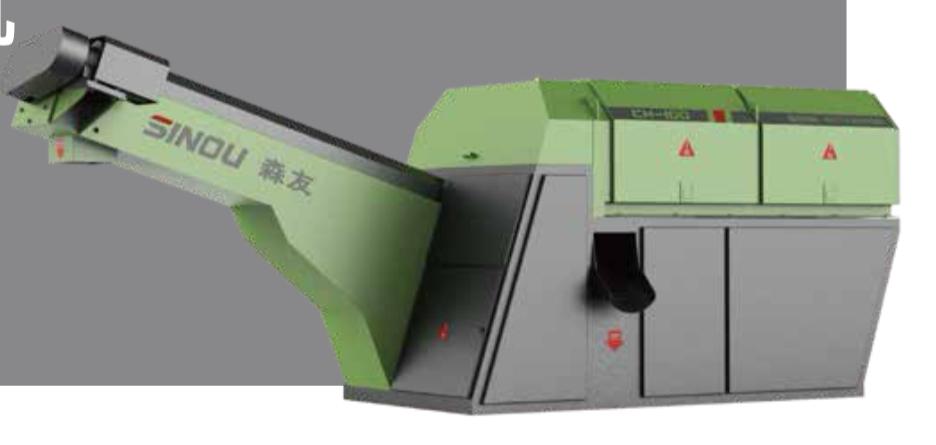
Washing aggregate is essentially a surface job. It blasts off silt, clay, and dust so the stones look clean and meet basic spec for fines content. But it doesn't change what's actually in the pile. You still have the same cracked, mixed, or contaminated particles you started with.
Reclaiming aggregate goes a step further—it tears the material apart and rebuilds it into a usable gradation. Crushers break down oversized chunks, screens separate sizes, and air or water systems pull out wood, plastic, and light debris. The goal isn't just cleaner rock; it's a different material with controlled particle shape, density, and absorption.
That's why the two aren't interchangeable. If you only wash old concrete, you might get pretty gravel that still has weak mortar attached or hidden asphalt lumps. Properly reclaimed aggregate has been processed enough to replace virgin stone in structural fills, road base, or even new concrete. Washing can be one step in that process, but on its own it's just a rinse.
What Actually Happens Inside a Rotary Concrete Reclaimer
When washout water from a concrete truck hits the inlet hopper, it doesn't just get dumped into a spinning drum and magically come out clean. The drum sits at a slight incline and rotates slowly, so the heaviest material—gravel and coarse sand—settles to the bottom almost immediately. Internal spiral flights welded to the drum wall catch this settled material and drag it toward the discharge end. Meanwhile, the gray slurry carrying cement fines and the lightest sand particles stays suspended and flows out the opposite end into a settling pit.
The separation isn't perfect, and that's where operators often misjudge what's happening. The drum speed, the feed rate, and even the amount of water used to wash the truck all change how much sand gets recovered versus how much ends up in the slurry. If you dump a full truck washout too quickly, a good portion of the medium sand will never get a chance to settle before the water exits. Over time, hardened concrete begins to build up on the flights and the drum shell, which reduces the effective diameter and throws off the separation. A quick look at the discharge pile tells you a lot: wet, heavy sand means the drum is pulling material too fast, while dry, clean gravel means the water flow is about right.
There's no screen or filter inside a rotary concrete reclaimer, despite what the name might suggest. It works purely on gravity and the fact that different particle sizes settle at different rates. The spiral flights are angled so that the settled solids move one way while the water moves the other. It's a simple mechanism, but the internal wear is constant—especially on the lower half of the drum where the abrasive sand slides along the steel. That's why you'll see operators checking the flight height with a straight edge after long shutdowns; if those flights wear down too far, the drum just spins without moving much material to the discharge end.
How to Calculate Your Payback Using Real Plant Numbers
Pull your actual utility rate and the production estimate from your own system design, not a generic regional average. Start with total installed cost, then subtract any rebates or tax credits to get net cost. Divide that net cost by the first year's dollar value of the electricity your plant will generate. For instance, a 7.2 kW array at $2.85 per watt costs $20,520. The 30% federal credit drops it to $14,364. If your utility charges $0.14 per kWh and the array makes 9,800 kWh in year one, the annual savings is $1,372. Add any SREC or performance-based incentive to that number before dividing.
A single division gives you a rough figure, but real payback shifts as panels degrade and utility rates rise. Most panels lose around 0.5% of output each year, while retail electricity often climbs 2% or more annually. Build a simple year-by-year table. Multiply each year's production by the expected rate, subtract degradation, and convert that to dollars. Keep a running total of savings until the cumulative amount matches your net cost. That will show a slightly shorter payback than the basic method because the value of each kilowatt-hour grows over time.
Here’s a concrete look from a recent residential install. Net cost after the federal credit and a state rebate came to $13,000. The system’s first-year output was 9,200 kWh, and the blended retail rate was $0.152 per kWh, so year-one value was $1,398. Simple payback: 9.3 years. With 2% annual utility escalation and 0.5% panel degradation, the cumulative payback dropped to 8.4 years. The gap comes from compounding savings, and it is exactly why using your own plant’s monitored production beats relying on a calculator filled with assumptions.
Buying Tips from Operators Who’ve Run Reclaimers for Years
If you're looking at a used reclaimer, ignore the hour meter and crawl underneath first. The guys who've run these hard will tell you the cutter drum bearings and the wear on the tooth holders tell the real story. A machine that looks clean up top but has sloppy drum bearings or mismatched teeth has probably spent more time chewing rock than doing finish work. Bring a pry bar, not just a flashlight, and check for play in the drum before you even start the engine.
Ask the seller what they actually used it for, and then listen for what they don't say. Reclaimers that ran in lime or cement stabilization eat through hydraulic hoses and seals faster than standard asphalt work. If the previous owner can't tell you the last time they replaced the water spray nozzles or serviced the rotor drive planetary, budget for those repairs. Also check how many extra teeth come with the deal; new operators rarely realize a full set of teeth can cost more than a month's fuel.
Finally, don't buy on horsepower alone. The older hands will tell you that ground speed control, rotor depth adjustment, and how well the cab keeps dust out matter more after an eight-hour shift. Test the controls with the rotor engaged if possible, and pay attention to any vibration that changes under load. A machine that runs smooth with the drum freewheeling but shakes when cutting is hiding alignment or bearing problems that will eat your margin fast.
Simple Daily Checks That Keep a Reclaimer Running Smoothly
Most mornings I skip the coffee until after I've walked around the reclaimer with a flashlight. Grease fittings on the rotor bearings, the tension on the drive belts, and the condition of the cutting teeth tell me more about the machine's mood than any dashboard warning ever will. A quick listen for air leaks near the hydraulic valves while the engine idles has caught more than one expensive failure before it happened.
Fluid levels only take a minute, but I've learned to check them cold and on level ground. The hydraulic reservoir sight glass can look full when the oil is warm and expanded, then drop below the pickup line once things cool down overnight. Same goes for the engine oil and coolant—if the coolant is low two days in a row, there's a slow weep somewhere, not a gremlin. Catching it early means a fifty-cent hose clamp instead of a cracked head.
The discharge conveyor and the magnetic separator need eyes on them every shift. Buildup under the belt or a worn scraper will cause tracking issues that eat belts faster than anything. I run my hand along the belt edges for fraying and make sure the emergency stops actually work by testing one each morning. It's not glamorous, but ten minutes of these checks saves me from standing in the mud waiting for a service truck.
FAQ
A rotary reclaimer uses a slowly rotating drum and high-pressure water jets to scrub and separate sand, aggregate, and cement paste from returned concrete. That separates it from settling ponds or basic washout systems, which just collect sludge. The rotary action allows for more complete separation and lets you reuse the sand and aggregate directly in new batches.
On a busy ready-mix site, a single rotary reclaimer can recover anywhere from 80 to 90 percent of the aggregate and sand from returned concrete. For a plant running 20 to 30 trucks a day, that often means preventing several tons of material from ending up in a landfill every week. The exact figure depends on mix designs and how often trucks come back with leftover product.
Most modern rotary reclaimers handle standard, high-strength, and fiber-reinforced mixes without serious issues. The high-pressure washing action and adjustable drum speed can break down tougher pastes. You may need to run a longer cycle for sticky mixes or those with high fly ash content, but the separation still works. The main limitation is very large aggregate, usually over 1.5 inches, which may need a pre-screen.
The biggest wear points are the spray nozzles, drum liners, and the screw that moves material out. Cleaning the nozzles weekly prevents clogs, and replacing liner sections before they wear through avoids costly drum repairs. Keeping the water recycling tank free of settled fines helps the pump run without cavitation. A maintenance log with quick visual checks at the end of each shift catches most problems before they cause downtime.
Most plants reach payback in 12 to 18 months when you factor in recovered aggregate, lower disposal fees, and reduced fresh water use. In areas with high landfill costs or strict environmental fines, that can drop to under a year. The key is measuring how much sand and stone you actually reuse each month, because the recovery value can be hidden if you simply look at the overall budget.
Yes, up to a point. If the concrete is still plastic and can be broken up with water jets, the reclaimer will separate it. Once it has hardened into solid clumps, you need a crusher before it enters the drum. Some plants add a small pre-crusher or use a loader to break large chunks. Trying to force fully set concrete through the drum will just damage the paddles and nozzles.
The obvious costs are disposal fees and lost aggregate, but the bigger hidden ones are water treatment and environmental compliance. Without a reclaimer, you often need settling ponds or filter presses, and those take up space and labor. There's also the risk of fines if washout water leaks into storm drains. Over time, paying for fresh sand and stone while dumping the old material can double your total material spend per cubic yard.
A mid-size plant running 40 to 60 trucks daily usually matches well with a rotary reclaimer rated for 15 to 20 cubic yards per hour. That covers normal return volumes without constantly running the drum. It's better to size for peak return times, like Friday afternoons, rather than the daily average. An oversized unit wastes water and power, while an undersized one forces drivers to wait and delays the next batch.
Conclusion
A settling pond looks cheap until you add up the loader time, hauling costs, and lost acreage. That’s why the best rotary concrete reclaimers do more than rinse out truck drums—they separate sand, stone, and cement slurry so each stream can be reused instead of buried. Inside a well-built machine, a rotating drum lifts material through a water spray, letting heavier aggregate drop out while fine cement washes into a slurry tank. The real difference between this and simple washing is recovery quality: you get graded aggregate back, not a sloppy pile that still costs money to move. Operators who run these units talk about payback in terms of loads per day—two or three extra loads of recovered stone can cover the monthly payment faster than most plant owners expect.
When you run the numbers with actual plant volumes, a reclaimer often pays for itself within two years, sometimes sooner if disposal fees are steep. Seasoned operators suggest buying a machine with oversized bearings, easily replaceable wear plates, and a control panel that does not hide basic settings behind a screen. Daily checks are plain: clear the discharge chute, watch spray nozzle pressure, and listen for unusual drum noise. Skip that ten-minute walkaround and a small blockage turns into a weekend repair. The top machines earn their place by cutting both waste and the quiet losses that never show up on a single invoice.
Contact Us
Contact Person: HaiYan
Email: [email protected]
Tel/WhatsApp: +86 18957325588
Website: https://www.senyoubeton.com/