

Tissue Converting Line Vendor Selection Tips for Reliable Production
2026-11-20
Choosing a tissue converting line is rarely just about speed. It is about whether the equipment can hold tolerance on late shifts, keep downtime from eating into margins, and still make changeovers simple enough for your crew. Too many teams discover those gaps only after installation. This guide strips away the usual sales talk and focuses on vendor selection factors that actually affect daily output, from frame rigidity and roll handling to after-sales response. Along the way, we look at how suppliers like DAXIN approach these practical concerns, and what questions to ask before you commit. If your next line needs to perform beyond the spec sheet, start here.
Pin Down Roll Tension Behavior Before You Trust the Line
Roll tension doesn't give you second chances once the line is under load. A roll that feels stable on the bench can drift, slip, or lock up the moment real pressure hits the bearings. Before you trust any feed or take-up system, pull the roll through its full tension range slowly and watch how the material tracks. Small changes in wrap angle, shaft alignment, or brake response often show up as subtle edge wander or a change in pull effort long before they become a jam.
Pay attention to how the roll behaves at the extremes. Most tension problems live at the low end, where the brake struggles to hold a light drag, and at the high end, where the roll fights back and the web stretches unevenly. Run a few short cycles with scrap material, vary the speed, and listen for any chatter or ticking from the core. If the roll doesn't settle into a smooth, repeatable resistance across the whole range, the line isn't ready for production.
The goal isn't just to get the roll turning. You need to know how it will react when the splice passes, when the diameter changes, or when the operator makes a quick speed adjustment. Map the tension behavior under those transitions and mark any zone where the response feels mushy or aggressive. Once you've pinned that down, you can set limits that mean something instead of guessing at a number that only works on a calm afternoon.
Compare Changeover Realities Instead of Catalog Cycle Speeds
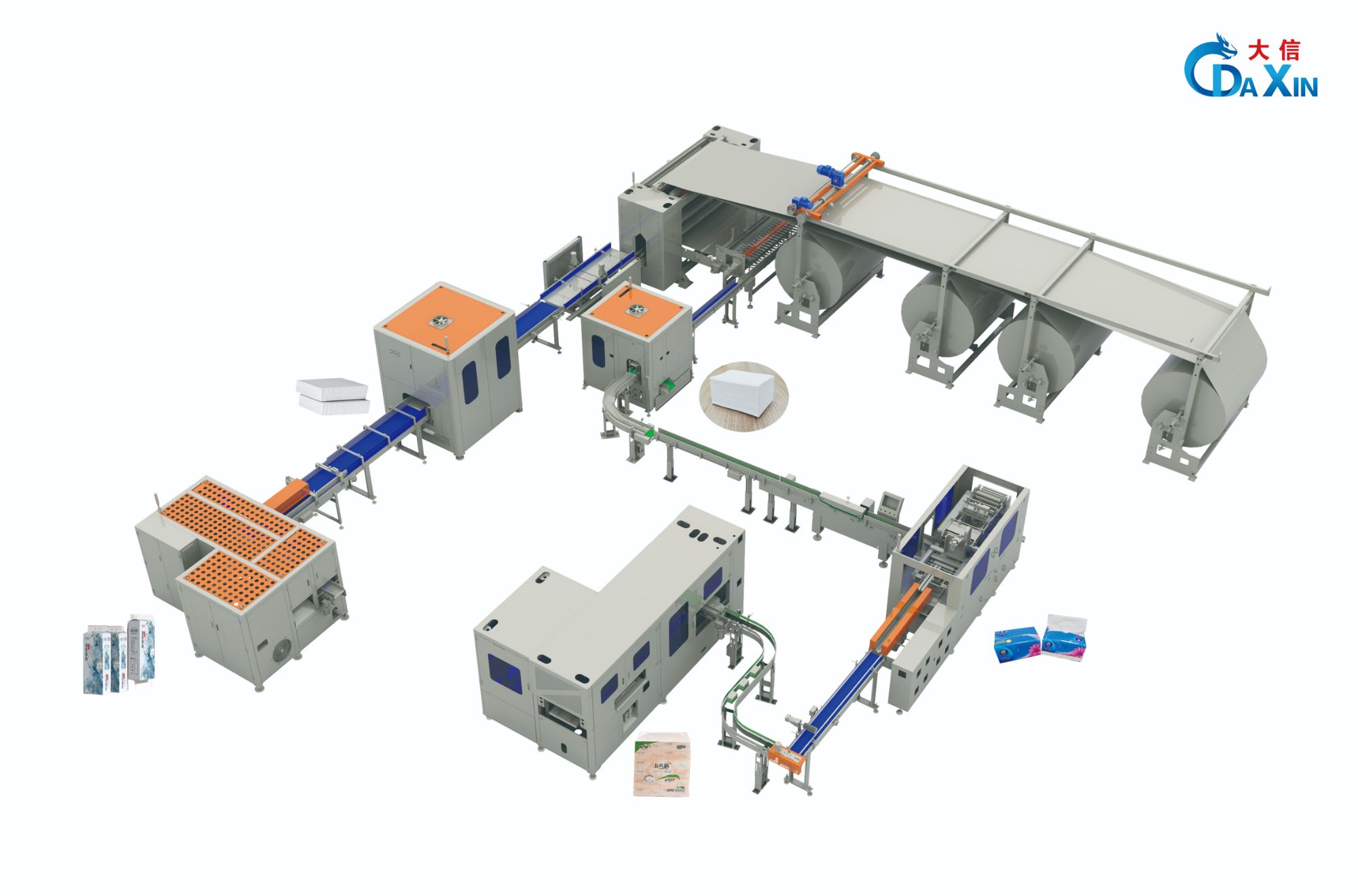
When evaluating a new press or packaging line, the spec sheet's changeover time often catches the eye first. But the number printed in a brochure rarely survives contact with a real shift. Worn clamps, variations in operator skill, and the cleaning needed when switching between coating types all sit outside that tidy catalog figure.
Instead of trusting the cycle speed on paper, ask to visit a plant running similar jobs and watch an actual changeover from the last good piece to the first good piece of the next run. Note every pause, every adjustment, every test sheet that ends up in the scrap bin. Those hidden minutes determine whether a machine fits your production mix or quietly drains hours each week.
A more useful approach treats changeover as a system problem rather than a machine specification. Standardizing tool locations, staging the next batch's materials before the current job ends, and overlapping tasks that were once done in sequence can shrink downtime far more than buying a machine with a faster advertised swap. Comparing real changeover processes, not marketing numbers, is what prevents expensive misjudgments.
Make the Vendor Prove Service Response With Local References
A polished proposal and a list of big-name clients won’t tell you much about how a vendor actually performs when something breaks at 4 p.m. on a Thursday. Ask them to hand over a few local references—businesses in your area that have used the same service or support team. Then call those people and listen for specifics: how fast someone showed up, whether the first call led to a fix, and if the vendor kept its promises after the contract was signed. Local references are harder to stage than glossy case studies because the details tend to leak out in casual conversation.
Push beyond the reference list the vendor wants you to see. Ask for a mix: one long-standing client, one recent one, and ideally someone who cancelled or reduced service. When you call, don’t ask leading questions. Get them talking about the worst incident they had and what the vendor did in the first two hours. You’ll quickly learn whether the response capability is real or just words on a slide. If the vendor hesitates to share local contacts or offers only ones hours away, treat that as part of the answer.
Look at Rewinder and Slitter Design for Long-Run Stability
In many converting lines, the rewinder and slitter are treated as secondary stations, but they often determine whether a line holds tension and alignment through an entire shift. A closer look at their frames, bearing arrangements, and roll geometry usually explains why edge quality drifts after a few hours of running. Stiff side frames, minimal overhang on knife holders, and well-supported rider rollers reduce the small deflections that turn into visible web wander or uneven roll hardness by the end of a long run.
Slitter design matters just as much as the rewinding side. Pneumatically loaded knife holders may seem convenient, but if the air supply fluctuates or the holder pivots slightly, the cut point shifts and produces fuzzy edges or pressure-sensitive adhesive buildup. Mechanical preloads, rigid dovetail mounts, and short, direct paths for trim removal keep the slitting zone predictable without constant manual correction.
Long-run stability also depends on how easily operators can repeat a setup. Clear scales, laser pointers for web path alignment, and locked adjustment points prevent subtle drifting after roll changes. Machines that rely on feel or frequent tweaking tend to lose consistency once production speeds increase, whereas a design built around fixed reference surfaces and accessible, repeatable controls keeps roll structure intact from the first meter to the last.
Calculate Waste and Energy Costs at Realistic Run Lengths
Most published equipment figures assume a steady, uninterrupted run that rarely survives contact with an actual production schedule. Start with logged job data instead of nameplate ratings: record the scrap from registration, splices, color adjustments, and end-of-run remnants, then pull utility readings for warm-up, idle, compressed air, and exhaust during the same windows. Short runs often hide more cost in setup and cleanup than in the printed or converted output itself.
A single blended average tends to flatten the very pattern you need to see. Build the calculation around run-length brackets, separating jobs below the break-even volume from those long enough to reach stable running conditions. For each bracket, allocate fixed waste events and base energy loads across actual good output, then add the variable consumption that changes with speed, substrate, or coating. This shows where the per-unit burden spikes and where additional volume genuinely lowers it.
Once those numbers are visible, compare realistic scheduling choices rather than ideal cases. Merging two short orders may reduce combined setup waste and warm-up energy, but it can also create overproduction or holding costs that need to be priced in. Reporting the results as waste and kilowatt-hours per thousand sellable units, instead of per theoretical hour, gives production and finance a common view for choosing between run scenarios.
Run a Paid Trial on Your Own Substrate Before Signing
A lab sample rarely tells you much about how a coating, adhesive, or ink will behave on your actual production line. Your substrate may carry release agents, plasticizers, static charges, or subtle surface-energy shifts that the supplier's standard test panels never reproduce. Running a paid trial on your own material forces the chemistry to meet your conditions, not a sanitized benchmark. It also tells you whether the product survives your curing window, line speed, or post-process handling.
Paying for the trial changes the conversation. Free samples often come from an existing batch with no custom adjustments, while a paid run tends to include the supplier's technical staff, a realistic formulation, and a written report tied to your parameters. You are not buying a guarantee, but you are buying the supplier's attention. Ask for edge-case testing: low and high coat weights, your coldest substrate, your fastest line, your oldest pretreatment unit. Document every variable so the result is a decision, not an anecdote.
The goal is not to prove the product works. It is to find the failure threshold before a contract locks you into volumes and pricing. A short paid trial on your own substrate can reveal whether a product that passes spec sheets still smears, delaminates, shrinks, or clogs your equipment under real conditions. That information is cheaper than a full-scale rollout, and it gives you leverage to demand adjustments or walk away with clear evidence.
FAQ
Look for whether they ask about your product mix, roll diameters, embossing patterns, and downstream packaging before quoting. A vendor that brings process engineers into the conversation, not just sales staff, and can point to lines running similar grades at comparable speeds is far more likely to deliver a stable start-up.
Existing installations matter most when they resemble your operation. Ask for references running the same basis weights, number of lanes, and automation level. If possible, visit a plant without the vendor present so operators speak candidly about splice failures, jam recovery, and whether promised speeds are actually maintained across shifts.
A serious vendor maintains regional stock for high-wear items like embossing rolls, slitter blades, belts, and servo drives. Get a written list of recommended spares with lead times and pricing locked for at least two years. Also confirm whether critical parts can be sourced locally or only through the vendor.
Ask for response time guarantees tied to uptime, not just best-effort language. Call two or three of their existing customers on a Friday afternoon and ask how quickly the vendor resolved the last unplanned stop. A vendor that offers remote diagnostics, logs machine alarms, and keeps service engineers within a realistic travel radius is typically stronger.
Acceptance should include sustained runs at different product grades, not a short demonstration at maximum speed. Define waste limits during splice and reel change, registration accuracy across lanes, and noise levels. Also require a 72-hour endurance run with your own operators handling at least one full shift before sign-off.
For tissue converting, a single-source line usually creates fewer integration headaches because unwinding, embossing, folding, and stacking are synchronized through one control platform. Mixing vendors can work if you have strong in-house engineering, but interface responsibility becomes yours, which often increases downtime during start-up and makes troubleshooting slower.
Push for a detailed breakdown that separates mechanical, electrical, software licenses, training, freight, installation, and commissioning. Ask which items are provisional and which are fixed. Clarify whether foundation drawings, energy consumption tests, and documentation updates are included. A transparent vendor will not hide these in a lump-sum figure.
Discuss how quickly you can change fold types, sheet counts, embossing designs, and packaging formats. Ask about recipe management, stored parameters, and whether upgrades can be added later without replacing major modules. If the vendor answers only in generalities, invite their technical team for a one-day line audit based on your current and planned SKU range.
Conclusion
Choosing a tissue converting line vendor starts with forcing the discussion past spec sheets. Pin down roll tension behavior on your own unwind stands: ask what happens at acceleration, during a flying splice, and with a near-empty parent roll, because a line that only holds tension in steady conditions will quietly produce wrinkles, baggy edges, and breaks in daily use. Changeover claims deserve the same pressure. Instead of comparing catalog cycle speeds, watch a full size or core change with the actual crew, tooling, and roll conditions you run. Many lines are fast in a staged demo but fall apart when operators have to reposition slitters, clear dust, or handle worn core chucks. Also make the vendor prove service response with local references. Call nearby plants and ask pointed questions about technician arrival time, spare parts availability, and whether the vendor solved problems on the first visit rather than sending a sales engineer.
Long-run stability usually lives in the rewinder and slitter design. Look at how the slitter geometry manages dust buildup, whether knife changes hold alignment after repeated setups, and whether the rewinder’s pressure controls remain consistent when cores warm up and speeds fluctuate. Then calculate waste and energy costs at realistic run lengths: splice losses, trim, rejected sets, compressed air, and downtime between grades often matter more than a slightly higher rated speed. A machine that looks productive on paper can be less profitable if it generates extra broke or needs more air per finished tonne. Before signing, run a paid trial on your own substrate, not the vendor’s ideal parent rolls. If a supplier hesitates or tries to steer you toward a controlled demo, that hesitation tells you how the line will behave when production conditions get difficult. A vendor worth trusting will welcome the test because it exposes fit before capital is committed.
Contact Us
Contact Person: Sam Xie
Email: [email protected]
Tel/WhatsApp: 86-18938538530
Website: https://www.daxin321.com/