

Professional Transcatheter Aortic Valve Replacement: Expert Care and Patient Guidance
2026-10-24
Imagine regaining your heart's rhythm without open-heart surgery. Transcatheter aortic valve replacement is no longer a distant promise—it's a refined reality. At INT Medical, we pair cutting-edge technique with step-by-step patient guidance, so you never face this journey alone. Here's what truly expert care looks like.
What TAVR Feels Like When You're the One on the Table
You're awake but drifting in a strange, weightless calm. The sedative doesn't knock you out the way general anesthesia does; it just dims the edges. You hear the murmur of the team, the beep of monitors, maybe a soft clink of instruments. Your groin or chest area where the catheter enters feels like a deep pressure, not pain—more like someone pressing a thumb firmly against your skin for a long moment. Occasionally there's a flutter in your chest, a skipped beat, and then a steady rhythm returns.
When the new valve actually unfolds, some people feel a brief, odd sensation—like a balloon expanding behind the breastbone, or a hard thump that echoes up into the throat. It's not sharp. It's more of a sudden fullness, and it passes within seconds. The hardest part is often staying still. Your legs might feel heavy or numb, and the table is cold under your back. You want to shift, but you can't, so you focus on the ceiling tiles or the nurse's voice telling you it's going well.
Afterward, there's no dramatic moment of waking up in a recovery room because you were never fully asleep. Instead, you're rolled out with a strange sense of having been somewhere between sleep and awareness, your chest lighter than it's felt in months. The grogginess fades quickly, and the first clear thought is usually surprise: that wasn't nearly as bad as I expected.
Choosing a Valve Team You'd Trust With Your Own Parent
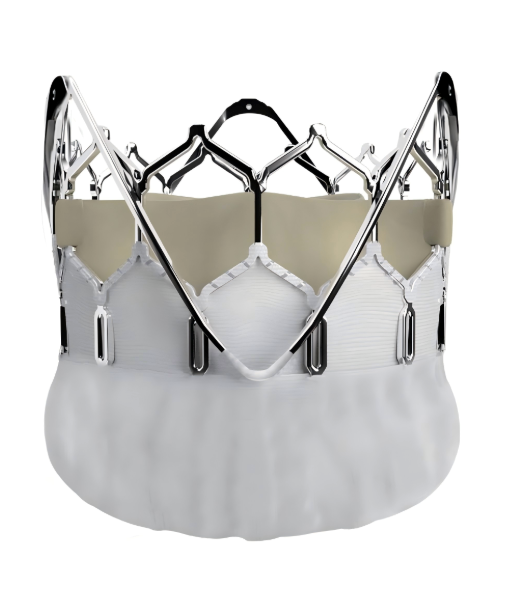
When a parent needs valve surgery, you stop caring about credentials on paper and start noticing how nurses talk at shift change. The right team will explain the difference between a tissue and mechanical valve without making you feel stupid for asking why one clicks. They remember your mother's fear of needles, your father's stubbornness about rehab, and they adjust.
Ask who actually does the cutting, not who heads the department. A surgeon who operates three times a week with a dedicated anesthesiologist and perfusionist will have smoother instincts than a famous name who flies in for the occasional case. The team's routine should feel boring: same rooms, same checklists, same faces at 6 a.m.
Trust grows from small unglamorous moments—a nurse who returns your call within an hour, a rehab plan that accounts for the stairs in your parent's house, a cardiologist who admits when a valve choice is genuinely a toss-up. If they treat your parent like a person with a life to get back to, not a valve with legs, you're probably in the right place.
A Practical Countdown for the Week Before Your TAVR
The final seven days before a transcatheter aortic valve replacement often feel like a strange limbo—too soon to pack a bag, too late to change your mind. This week isn't about grand gestures; it's about quiet, deliberate steps that make the morning of the procedure feel less like a hurdle and more like a routine. Start by writing down every medication you currently take, including over-the-counter supplements, and keep that list in your wallet. You'd be surprised how many people forget the fish oil or the daily aspirin when the intake nurse asks, and that small oversight can delay everything.
Next, shift your focus to the practical logistics of your home. Arrange for someone to handle the basics for at least the first five days after discharge—feeding the cat, collecting mail, walking the dog. If you live alone, consider placing a chair near the bathroom or setting up a temporary sleeping area on the main floor. These aren't signs of weakness; they're the difference between a smooth recovery and a preventable stumble. One patient we spoke with pre-positioned a long-handled shoehorn and a reacher by the bed, and she said that single act made her feel more in control than any pamphlet ever did.
Finally, use the last couple of days to empty your mental inbox. Finish any work emails, cancel appointments, and tell a few trusted people exactly where you'll be and when. But avoid the temptation to over-research the procedure online—by now, your cardiologist has walked you through the risks and benefits, and late-night searches only amplify anxiety. Instead, practice a simple breathing exercise: inhale for four counts, hold for four, exhale for six. Do that three times a day, and you'll walk into the hospital with a steadier pulse than most people manage on a Tuesday.
Right After the Catheter Comes Out: What Recovery Really Demands
In the first hour after the Foley comes out, your bladder often behaves like a muscle that forgot its job. The urge to pee may arrive as a dull pressure rather than a clear signal, and when you finally sit down, the stream can be hesitant, stinging, or split. Don't be surprised if you pass only a small amount at first—this is less about failure and more about the urethra waking up after being held open. Keep a pitcher of water within arm's reach and try to void every two to three hours, even if the sensation hasn't fully returned.
What recovery actually tests is patience with your own timing. Some people urinate within minutes; others need a warm compress on the lower belly or the sound of running water to relax the pelvic floor. If you feel a sharp burn with the first few voids, that's usually irritation from the tube itself, not a sign of infection—but track whether the burning fades or worsens. Post-void dribbling and a sense of incomplete emptying can linger for a day or two. A simple trick is to lean forward slightly on the toilet or rock your pelvis to help the bladder finish the job.
The demands go beyond the bathroom. Avoid lifting anything heavy for at least 48 hours, because straining can spike pressure in a bladder that's still relearning how to empty. Watch for backache, chills, or cloudy, foul-smelling urine—those are signals to call your provider rather than wait it out. Most people do not need a repeat straight catheterization, but if you go six hours without passing urine and feel increasing fullness or pain, that is the one recovery rule you should not ignore.
Rebuilding Daily Confidence After the New Valve Is in Place
The first few weeks after surgery can feel like learning to trust your body all over again. Instead of forcing yourself back into old routines, start with short walks around the house and pay close attention to how your chest and breathing respond. Write down even the smallest achievements—getting dressed without help, making a cup of tea, walking to the mailbox. Those notes become proof that you are moving forward, and on hard days they remind you how far you've already come.
As you add more activity, it helps to separate ordinary tiredness from warning signs. Ordinary tiredness fades with rest and feels like the kind of ache after a long walk. Warning signs—sharp chest pain, unusual shortness of breath, dizziness—should prompt a call to your care team. Having a clear plan from your doctor or rehab specialist takes the guesswork out of each step, so you can build stamina without second-guessing every twinge.
Returning to social life and hobbies doesn't have to happen all at once. Ask a friend to walk with you, or ease back into a favorite pastime by doing a lighter version of it. Focus on celebrating small wins—a slightly longer walk, a dinner out, a garden visit—rather than comparing yourself to where you were before surgery. Confidence grows quietly from repeated, safe experiences, not from pushing through fear.
Questions Patients Wish They'd Asked Before TAVR
It’s common to sit down for a TAVR consultation and focus so much on the procedure itself that the quieter, everyday concerns never make it to the table. Many people later wish they had asked exactly how long the replacement valve is expected to last, whether a future valve-in-valve procedure would even be possible, and what signs of valve wear should prompt a call to the cardiologist. These aren’t hypothetical worries; they shape how closely you’ll track your health for years afterward.
Recovery timelines also tend to get glossed over in the rush of scheduling. Instead of just hearing “a few days in the hospital,” patients often want to know how long before they can comfortably drive again, when it’s safe to lift a grandchild, and whether the groin puncture site will keep aching weeks later. A frank answer about fatigue—some people feel more tired than expected for a month or two—would have saved a lot of anxiety.
Then there are the long-term lifestyle questions that feel too small to ask but matter daily. Do you need antibiotics before dental work indefinitely? Will the new valve set off airport metal detectors? Is it still okay to have an MRI if needed later? Sorting these out beforehand, rather than discovering the answers piecemeal from different clinicians, gives a sense of control that no brochure quite provides.
FAQ
Your candidacy depends on the severity of aortic stenosis, your symptoms, and overall health. A specialized heart team will review imaging like a transthoracic echocardiogram, a CT scan to assess valve anatomy and access routes, and sometimes a cardiac catheterization to check coronary arteries. They also consider frailty scores, lung function, and other conditions to ensure TAVR is the safest choice for you.
Most TAVR procedures are done under conscious sedation rather than general anesthesia, so you'll be relaxed but may feel some pressure or movement. A thin tube is inserted through an artery in your groin or occasionally the chest, and the new valve is guided to your heart and expanded inside the old valve. The entire process usually takes one to two hours, and you'll be monitored closely in a recovery area afterward.
Many patients notice improved breathing and less chest pain within days because the valve starts working immediately. You'll typically stay in the hospital for two to five days for monitoring and gentle mobilization. Most people can resume light daily activities within a week, but heavy lifting and strenuous exercise should wait about four to six weeks, with gradual progression based on your team's guidance.
While TAVR is generally safe, possible risks include bleeding or bruising at the catheter site, blood vessel injury, stroke, irregular heart rhythms, or a leak around the new valve. Your specific risk level depends on your anatomy and other health issues, so an open conversation with your cardiologist and surgeon is essential to weigh benefits against potential complications.
After TAVR, most patients are prescribed a combination of antiplatelet medications (like aspirin plus clopidogrel) for several months to prevent blood clots on the new valve. You may also continue medications for blood pressure, cholesterol, or heart rhythm, but your doctor will adjust the exact regimen based on your individual needs and any bleeding risks.
Current transcatheter valves have shown excellent durability, with many functioning well beyond 10 years, though data continues to evolve. Regular follow-up is crucial: you'll have echocardiograms at intervals—often at 30 days, 6 months, and then annually—to check valve function, detect any leaks, and ensure your heart is adapting well.
Driving is usually allowed about one to two weeks after discharge if you're no longer taking strong pain medications and feel alert. Returning to work depends on the job; desk work may resume in a couple of weeks, while physically demanding roles need four to six weeks. For exercise, start with short walks and light stretching, then gradually increase intensity under the supervision of a cardiac rehabilitation program.
An experienced TAVR team includes interventional cardiologists, cardiac surgeons, imaging specialists, and dedicated nursing staff who have performed many procedures and can handle unexpected anatomy or complications calmly. They also provide individualized pre-procedure planning and post-procedure rehabilitation, which lowers the risk of adverse events and improves long-term quality of life compared to centers with lower volume.
Conclusion
When you're the one on the table, TAVR feels less like major surgery and more like a strange, brief pressure in your chest while the room hums around you. The real difference comes from the people standing over you. Choosing a valve team you'd trust with your own parent means looking beyond credentials for nurses who explain each beep of the monitor and an interventional cardiologist who answers the same question twice without sighing. Expert care isn't just technical; it's the calm voice that tells you the catheter is exactly where it should be.
The week before your TAVR, a practical countdown matters: stop certain medications, pack slip-on shoes, plan who'll feed the dog. Right after the catheter comes out, recovery demands more patience than you expect—getting up too fast can make the room spin, and the groin site needs a full day of stillness. Rebuilding daily confidence after the new valve is in place starts with short walks to the mailbox and builds slowly. Patients wish they'd asked about energy dips at week three, or how long the clicking sound lasts, because knowing these details eases the mind more than any brochure. Small honest conversations with the nursing staff turn abstract worries into manageable steps.
Contact Us
Contact Person: Jeffrey
Email: [email protected]
Tel/WhatsApp: 86-0633-2230056
Website: https://www.sd-intmedical.com