

Private Label Vibration Plate Guide for New Fitness Brands
2026-11-18
Launching a fitness brand today means entering a market already saturated with recovery tools that rarely move beyond generic claims. Vibration plates, in particular, often look and perform the same, leaving new brands with little room to stand out. This guide breaks down what actually matters when selecting a private label vibration plate—from motor quality and frequency range to material durability—so you can build a product line that feels distinct rather than copied. Along the way, you’ll see how XINGBU approaches manufacturing with a focus on practical performance, giving you a clearer benchmark for what to demand from suppliers.
What Actually Makes a Vibration Plate Quiet Enough for Apartments
A quiet vibration plate in an apartment rarely has much to do with the motor’s decibel rating on paper. What matters more is how the machine transfers energy into the floor. Cheaper units often bolt the motor directly to a rigid plastic shell, so every oscillation travels straight into the floor as a low-frequency hum that downstairs neighbors feel even when they can’t hear it clearly. The quieter designs separate the motor from the platform with rubber bushings or small spring mounts, and they use a denser base pad to soak up residual vibration before it reaches the floor.
The drive system itself changes the character of the noise. A brushless motor tends to run smoother because there is no constant friction from brushes, which removes the thin, high-pitched whine that many budget plates produce. The real problem is often the eccentric weight under the deck: if the bearing is loose or the weight is not machined evenly, the plate starts to wobble at higher speeds and that wobble turns into a heavy buzz through the frame. Better-built machines keep the vibration contained within the plate surface instead of letting the whole housing shake.
Even a well-designed plate can make an apartment louder than it needs to be if you ignore what sits between the machine and the floor. A thick rubber or foam mat rated for fitness equipment can absorb the remaining impact noise, and using the plate on carpet with a dense underlay helps more than placing it directly on tile or hardwood. Lower speed settings also matter: the difference between a gentle warm-up setting and the maximum setting is often the difference between a neighbor hearing a soft hum and hearing a rattling ceiling fixture. The goal is not zero sound, but no structure-borne noise that travels through the building.
Which Motor Specs Matter More Than Peak Wattage
A motor’s peak wattage is usually a short-burst number, not what you feel in daily riding. On a steep hill or a loaded cargo run, low-speed torque and how quickly the controller delivers current do far more to keep you moving. Two motors can carry the same peak rating, yet the one with a flatter torque curve will pull away from a stop and hold speed under load much better.
Continuous output tells you what the motor can actually sustain after the first minute or two. Heat is the real limiter: once windings get hot, efficiency drops and the controller may reduce current to protect itself. That is why a modest 500 W continuous motor often outperforms a high peak wattage motor on long climbs, because the high peak unit backs off while the smaller one keeps working.
Pay more attention to system-level details like battery voltage sag, controller amp limits, wheel diameter, and gearing. They change how much of the motor’s output reaches the ground. A motor that runs efficiently at your normal cruising speed also wastes less energy as heat, which means longer range from the same battery pack.
How Much Custom Branding Is Realistic on a First Order
When you're placing a first order, the level of custom branding often comes down to the supplier's setup and the product itself. Many manufacturers are open to adding your logo to existing packaging or printing a simple label, but they may not be able to create a fully bespoke box or bag until you hit a larger quantity. The realistic starting point is usually the smaller touchpoints: woven labels, stickers, hang tags, or a stamp on the mailer. Those details can make the unboxing feel more intentional without requiring a huge upfront commitment.
There's also a cost factor that gets overlooked. Tooling, plate fees, and design setup can be expensive on a short run, and some suppliers roll those charges into future orders once your volume grows. If you're working with a lower MOQ supplier, it's worth asking whether they offer digital printing or pre-made packaging that can be customized with a label rather than a full print run. This keeps the first order manageable while still giving you a branded presence.
A practical approach is to keep the first order simple and test how your customers respond before investing in more elaborate packaging. You can start with your logo on one or two visible elements, then expand to custom tissue paper, inserts, or fully printed boxes on the next round. That way, the branding feels consistent but you're not locked into large quantities of packaging that might need changes later.
Why Do Lightweight Plates Lead to More Returns
The first thing most customers notice about a lightweight plate is how delicate it feels in the hand. There is a psychological expectation that a plate should carry a certain heft, especially when it is meant to hold a full meal. When that weight is missing, many people instinctively brace themselves for a crack or a chip the moment a fork presses down. That sense of fragility often translates into returns, not because the plate actually breaks in transit, but because the buyer simply does not trust it to survive daily use. The perceived lack of durability becomes a self-fulfilling decision: they send it back before giving it a real chance on the table.
Actual breakage during shipping plays a much larger role than most brands admit. Lightweight materials tend to have thinner walls and less structural reserve, which means even small impacts inside a box can create micro-fractures or visible cracks. Boxes get stacked, dropped, and jostled through distribution networks that are not gentle with ceramics or stoneware alternatives. A heavier plate can absorb a surprising amount of that punishment simply because there is more material to disperse the force. The lighter version has nowhere for that energy to go, so it fails at the weakest point, arriving at the customer's door already flawed.
Then there is the everyday performance gap that drives returns after the first few uses. Lightweight plates often struggle with heat retention, warping under high temperatures, or scratching more easily because the glaze layer has to be kept thin to hit a lower weight target. A customer who puts a supposedly microwave-safe lightweight plate into a hot dishwasher cycle may find it flexes, discolors, or develops fine lines that catch the light. Once that happens, the return is almost guaranteed, regardless of how carefully the plate was packed. The lighter design simply cannot deliver the same long-term resilience that people expect from tableware, so the return rate climbs even among buyers who were initially happy with the look.
What Should New Brands Check Before Committing to a Factory Sample
Start with the exact bill of materials. A factory might quote on a cheaper lining or thinner hardware to keep the sample cost low, then switch it for production. Ask for the spec sheet they will build from, and have them mark every component that can be substituted. If they cannot name the supplier or grade of the main fabric, that is a red flag before you pay anything.
Also pin down how many rounds of changes the sample fee actually covers. Some factories treat the first sample as a rough draft and charge separately for each adjustment, while others include two or three revision rounds. Get that in writing, along with the turnaround time for each round. Otherwise a two-week sample can quietly become six weeks of back-and-forth.
Finally, ask what happens when the sample is approved. Will the factory keep the same team, materials, and machine settings for bulk? Request a pre-production sample or at least a signed confirmation of the approved sample's weight, measurements, and stitching details. That helps you hold them to a standard instead of chasing an approval that only exists in photos.
When Does a Cheaper Quote Turn Into a Support Nightmare
A quote that undercuts every competitor usually has the cuts baked into places you cannot see on day one. The vendor may be skipping documentation, reusing fragile code, or betting that the project never needs to grow. A few months in, that bargain becomes late-night calls about broken integrations, missing handoffs, and a trail of decisions nobody wrote down.
Cheap pricing also compresses the relationship into a transaction. When something breaks, you are not a valued client waiting on an urgent fix; you are a low-margin ticket in a queue. The support team, if one exists, is often the same stretched person who built the thing with no room to test it properly. Emails go quiet, phone numbers change, and the fixes arrive with fresh cracks.
The real expense appears in the moments that count: a launch weekend, a billing cycle, an unexpected spike in users. A provider who priced for survival cannot afford to lose sleep over your emergency. What started as a smart saving becomes a costly migration, and you end up paying twice—once for the cheap build and again to have someone else untangle it.
FAQ
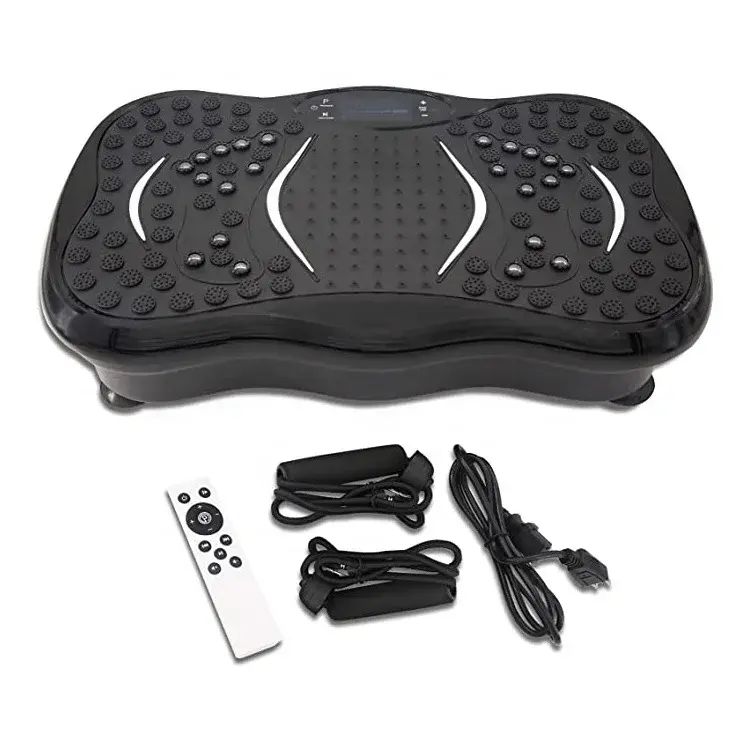
It usually means starting with an existing base model from a factory, then choosing your colors, logo placement, remote control or panel details, and sometimes adjusting amplitude or frequency range. The machines ship under your brand name instead of the factory's.
Ask for a live video of the production line, check where the motor and eccentric parts come from, and request a sample before paying any deposit. A real factory can also show third-party test reports like CE or UL and walk you through past design changes.
Many brands focus heavily on colors and logo placement but overlook the instruction manual, control panel layout, and noise level. Buyers tend to remember whether the machine is quiet, easy to start, and simple to store more than whether the logo looked perfect.
For many models it falls between 50 and 100 units with mixed colors allowed, though some factories accept a first trial order of 30 units at a higher per-unit price. Always ask if you can mix colors within the same model or if each color counts as a separate line.
Amplitude, frequency range, motor power, and noise level are the big ones. For home use, amplitude below 3 mm, a frequency range around 5 to 30 Hz, and noise under 60 dB are reasonable targets. Auto shut-off and a stable base also reduce complaints.
Avoid a simple fixed markup. Include a better remote, bilingual manuals, a two-year warranty, and a clear replacement parts process. Customers will pay more when the machine feels stable, runs quietly, and comes with support that does not disappear after delivery.
Drop test requirements, single package weight limits for courier services, and whether foam inserts will shift during transit are common blind spots. Also confirm which compliance marks are needed in the destination country, because missing labels can delay customs.
If you choose an existing mold, plan for about four to eight weeks of production, four to six weeks of ocean freight, and another two to three weeks for inspection and paperwork. New colors or a revised control panel can add three to five weeks on top of that.
Conclusion
Most new brands assume a quiet vibration plate comes down to a single decibel rating, but what actually keeps it apartment-friendly is less obvious. The mounting system, rubber isolation points between the motor and the shell, and the way the base transfers energy into the floor matter more than the number printed in the brochure. Peak wattage gets a lot of attention, yet a brushless motor that holds torque at lower speeds will generally run smoother and outlast a brushed unit with a flashy power figure. Lightweight machines also create avoidable problems: they seem easier to sell, but they are more likely to shake, slide, or feel hollow under a user's feet, and that sensation is exactly what leads customers to return the product before they ever trust the workout.
Branding expectations should be anchored to what a factory can actually customize on a first order. Logo placement, a limited run of color-matched side panels, or revised packaging are usually realistic; asking for a completely new shell or custom electronics is not a small tweak. Before approving a sample, request a live video of the exact model running under load, confirm which motor is inside, and ask how noise is tested. These checks matter because a cheaper quote tends to hide weak spots. Within a few months, missing replacement parts, vague answers about defects, and delayed responses can turn a low-cost order into a support workload that far outweighs the initial savings. The smart approach is to treat the first order as a test of whether the factory communicates clearly and behaves consistently under real pressure.
Contact Us
Contact Person: Hannah
Email: [email protected]
Tel/WhatsApp: +86 18266954198
Website: https://www.okmassager.com/