

Optimize Safety with OEM Drop-Out Fuses: Key Features and Benefits
2026-01-07
In an era where industrial safety isn't just a priority but a necessity, the choice of protective devices can define operational reliability. When it comes to safeguarding electrical systems from overloads and short circuits, one solution stands out for its precision engineering and proven performance: OEM drop-out fuses. But what makes these components indispensable in high-stakes environments? Discover how integrating advanced drop-out fuse technology can transform your safety protocols, reduce downtime, and enhance system longevity. At Lugao, we've pioneered innovations that merge cutting-edge design with real-world applications, ensuring every installation meets the highest standards of protection and efficiency. Dive into the key features and benefits that set our solutions apart, and learn why industry leaders trust Lugao to deliver safety without compromise. Let's explore how optimizing with OEM drop-out fuses isn't just an upgrade—it's a strategic move toward a safer, more resilient future.
How OEM Drop-Out Fuses Enhance Electrical System Safety and Reliability
When it comes to maintaining electrical system integrity, OEM (Original Equipment Manufacturer) drop-out fuses play a crucial role by providing fail-safe protection against overloads and short circuits. Unlike generic fuses, these components are specifically designed by OEMs to integrate seamlessly with particular equipment, ensuring that they react precisely to the manufacturer's specified thresholds. This tailored approach minimizes the risk of false trips or failures, enhancing overall safety in high-stakes industrial and utility environments.
Beyond basic protection, the drop-out mechanism in these fuses adds an extra layer of reliability. In the event of a fault, the fuse link not only interrupts the circuit but also physically disconnects and falls away, visibly indicating a blown fuse. This feature helps maintenance crews quickly identify and address issues, reducing downtime and preventing potential hazards from lingering undetected. Over time, this proactive design can lead to fewer operational disruptions and lower maintenance costs.
Moreover, by using OEM drop-out fuses, operators benefit from consistent performance that aligns with the original system's engineering. This compatibility ensures that safety margins are maintained, protecting sensitive equipment and preventing cascading failures. As electrical grids and industrial systems face increasing demands, such reliable protection becomes indispensable for safeguarding both infrastructure and personnel.
Key Features of OEM Drop-Out Fuses for Superior Performance
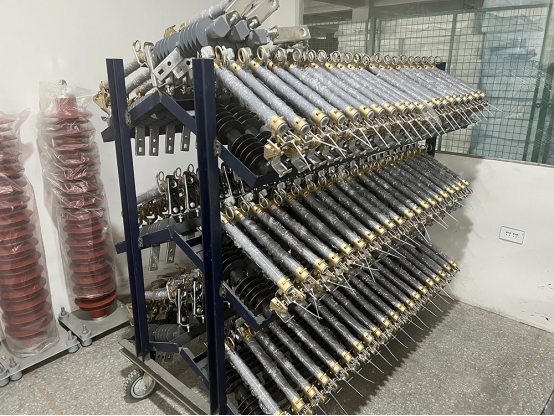
In the competitive landscape of electrical protection, OEM drop-out fuses distinguish themselves through innovative design and robust engineering. Unlike generic alternatives, these fuses are tailored to meet the specific demands of original equipment manufacturers, ensuring seamless integration and enhanced safety. Key features include precise calibration for optimal fault detection and rapid disconnection, which minimizes downtime during electrical surges. By focusing on customization and reliability, these fuses provide superior performance that aligns with modern electrical systems' needs, reducing maintenance costs and improving overall efficiency.
Another standout aspect is the utilization of advanced materials and construction techniques. OEM drop-out fuses often incorporate high-grade ceramics or polymers that resist extreme temperatures and environmental stresses, ensuring durability in diverse settings. This attention to material quality not only extends the product's lifespan but also enhances its thermal management, preventing overheating and potential system failures. Coupled with ergonomic designs for easy installation and replacement, these features make them a preferred choice for engineers seeking dependable, long-term solutions without compromising on safety or performance standards.
Moreover, these fuses excel in their adaptability to various applications, from industrial machinery to renewable energy systems. Key innovations, such as self-monitoring capabilities or compatibility with smart grid technologies, set them apart in the market. By offering features that anticipate future technological advancements, OEM drop-out fuses provide a forward-looking edge, ensuring that equipment remains protected and efficient amidst evolving electrical demands. This proactive approach to design underscores their role in delivering consistent, superior performance across a wide range of operational scenarios.
Benefits of Integrating Drop-Out Fuses in Modern Power Networks
Drop-out fuses are increasingly becoming a cornerstone in modern power networks, offering a robust and cost-effective solution for circuit protection. Unlike traditional fuses, they automatically drop out when tripped, providing a clear visual indication of a fault. This feature significantly reduces downtime and enhances safety by preventing accidental reconnection, making them ideal for medium-voltage applications where reliability is paramount.
One of the standout benefits is their ability to balance protection and efficiency, minimizing power disruptions in residential and industrial settings. By quickly isolating faults, drop-out fuses help maintain grid stability and reduce wear on equipment. This proactive approach not only cuts maintenance costs but also supports the integration of renewable energy sources, ensuring smoother transitions in today's dynamic power landscapes.
Moreover, their modular design allows for easy installation and scalability, adapting to evolving network demands without overhauling existing infrastructure. This flexibility makes drop-out fuses a smart investment for utilities aiming to enhance resilience and smart grid capabilities, ultimately contributing to a more reliable and sustainable energy future.
Design Innovations in OEM Drop-Out Fuses for Easy Installation
OEM drop-out fuses have evolved significantly to streamline installation processes, with design innovations focusing on intuitive assembly. Many modern models incorporate pre-aligned contact systems and integrated mounting hardware, reducing the need for manual adjustments on-site. This not only accelerates setup times but also minimizes potential errors, ensuring reliable performance from the first use.
Another key innovation is the emphasis on user-friendly features, such as color-coded components and ergonomic handles. These elements make handling and installation safer and more straightforward, particularly in challenging environments like utility poles or industrial settings. By prioritizing ease of use, manufacturers are helping technicians complete installations faster and with greater confidence.
Looking forward, the integration of smart technologies, like self-diagnostic indicators, is pushing the boundaries of what these fuses can offer. These advancements not only simplify installation but also enhance maintenance and troubleshooting, setting a new standard for efficiency in electrical protection systems. As a result, OEMs are delivering products that not only meet but exceed user expectations for convenience and reliability.
Cost-Effectiveness and Durability of Drop-Out Fuse Solutions
When it comes to protecting electrical distribution systems, drop-out fuse solutions offer a compelling balance of affordability and long-term performance. These devices are typically more cost-effective upfront compared to more complex alternatives like circuit breakers or reclosers, making them an attractive option for utilities and industrial applications on a budget. Beyond the initial savings, their simple mechanical design reduces maintenance costs, as they have fewer moving parts and require less frequent servicing, which can add up significantly over the years. This makes them a smart investment not just for immediate needs but for sustainable operations.
Durability is another key strength of drop-out fuses, largely due to their robust construction and straightforward operation. Designed to withstand harsh environmental conditions, such as extreme temperatures, moisture, and physical impacts, they maintain reliable performance over extended periods. The fuse element itself is engineered to blow only under specific fault conditions, ensuring that it doesn't fail prematurely under normal loads. This reliability translates into fewer downtime incidents and lower replacement rates, further enhancing their cost-effectiveness by minimizing disruptions and associated expenses.
In practice, the combination of cost-effectiveness and durability means that drop-out fuse solutions can deliver consistent protection without breaking the bank. They are often favored in rural or remote areas where access for repairs is limited, as their longevity reduces the need for frequent interventions. By choosing drop-out fuses, operators can achieve a dependable safety net for their electrical networks, ensuring that both initial investments and ongoing operational costs remain manageable while keeping systems secure against faults.
Practical Applications and Use Cases for OEM Drop-Out Fuses
OEM drop-out fuses are indispensable in safeguarding electrical systems from overloads and short circuits, particularly in industrial and utility settings. Their design allows for automatic disconnection when a fault occurs, preventing damage to expensive equipment like transformers and motors. For instance, in manufacturing plants, these fuses protect machinery from power surges, ensuring uninterrupted production and reducing downtime costs. They're also favored for their ease of maintenance—when a fuse blows, it visibly drops out, signaling the need for a quick replacement without complex diagnostics.
In renewable energy applications, such as solar farms or wind turbines, OEM drop-out fuses play a crucial role in managing power distribution safely. They isolate faulty sections of the grid, preventing cascading failures and enhancing overall system reliability. This makes them a go-to choice for engineers looking to integrate robust protection into evolving energy infrastructures. Their ability to handle high currents while maintaining a compact footprint adds to their versatility in space-constrained installations.
Beyond traditional uses, these fuses are gaining traction in smart grid technologies, where they help manage load balancing and fault detection in real-time. By incorporating them into automated systems, utilities can improve response times during outages, minimizing service disruptions for consumers. This adaptability underscores why OEM drop-out fuses remain a trusted component across diverse industries, from telecommunications to transportation, where electrical safety and efficiency are paramount.
FAQ
OEM drop-out fuses offer a reliable mechanism for interrupting fault currents, crucial in preventing equipment damage or fires, especially in high-voltage systems where safety is paramount.
Features like quick-melting elements and durable housings enable faster response to faults, minimizing disruption and maintenance needs, which translates to smoother operations and less costly outages.
OEM fuses are designed for seamless integration with specific equipment, reducing installation errors and simplifying upkeep through precise compatibility, unlike generic options that may require adjustments.
They act as a protective barrier by isolating circuits during overcurrent events, shielding devices from harmful surges and extending their lifespan without constant monitoring.
While initially pricier, OEM fuses reduce long-term costs by lowering failure rates, cutting replacement frequency, and minimizing liability risks from safety incidents, offering strong ROI over time.
They excel in industrial settings with high fault currents, but limitations include potential for slower response in low-current applications, necessitating careful selection based on specific system demands.
Advances like corrosion-resistant materials and clear visual indicators improve resilience and ease of use, allowing operators to quickly assess fuse status without complex tools.
By ensuring reliable fault protection, they help meet regulatory requirements, reduce accident risks, and strengthen safety protocols, making compliance audits smoother and more consistent.
Conclusion
OEM drop-out fuses significantly enhance electrical system safety and reliability by providing reliable overload and short-circuit protection. Their integration into modern power networks offers practical benefits such as preventing equipment damage and minimizing downtime. These fuses feature key design innovations for superior performance, including easy installation mechanisms that simplify maintenance across various applications, from industrial setups to renewable energy installations. By ensuring effective fault isolation, they contribute to a more stable and secure power distribution environment.
The cost-effectiveness and durability of drop-out fuse solutions make them an attractive choice for optimizing safety without compromising on long-term value. Their robust construction allows them to withstand harsh conditions, reducing the need for frequent replacements. Through real-world use cases, such as in grid protection and commercial facilities, these fuses demonstrate their ability to improve operational efficiency. Overall, incorporating OEM drop-out fuses into electrical systems delivers a comprehensive safety upgrade, blending innovative features with tangible benefits that support reliable and efficient power management.
Contact Us
Contact Person: Doreen
Email: [email protected]
Tel/WhatsApp: 8618057712366
Website: https://www.liugaopower.com/