

Offshore Rescue and Firefighting Boats: Advanced Vessels for Emergency Response at Sea
2026-06-13
When disaster strikes miles from shore, every second counts. Offshore rescue and firefighting boats are the unsung heroes of maritime emergencies, combining speed, durability, and advanced suppression systems to protect lives and assets in the harshest conditions. But not all vessels are built to face towering waves and intense blazes head-on. Discover how cutting-edge designs from Allheart are redefining rapid response at sea—long before the first flames appear.
Rapid Deployment Tactics for Critical Offshore Scenarios
In offshore environments where every minute counts, speed isn't just about moving fast—it's about moving smart. The chaos of a sudden well blowout or a pipeline rupture demands a pre-choreographed sequence that leaves no room for hesitation. Crews trained in modular rig-up procedures can switch from standby to full containment in under thirty minutes, bypassing the paralysis of over-analysis. This isn't merely a drill; it's a muscle memory etched through relentless simulation, where each team member knows their bolt, their valve, their anchor point without a single exchanged word.
Beyond the human factor, the kit itself must defy conventional logistics. Think containerized boom reels that unfold with hydraulic precision, skimmers that self-deploy upon water impact, and communication arrays that link vessel to shore without the bottleneck of satellite lag. One operator in the North Sea cut deployment time by 40% after replacing bolt-together connectors with twist‑lock manifold systems—a modification born not from a boardroom but from a roughneck's frustration during a midnight emergency test. Such organic improvements often outshine engineered solutions because they're forged in the spray and salt of actual conditions.
Yet the real linchpin is the command structure that empowers on-scene supervisors to bypass layers of remote approval. When a drillship loses station-keeping off the coast of Brazil, the decision to initiate a blowout intervention must happen at the edge, not in a Houston conference room. This shift from hierarchical command to delegated authority, paired with fail-safe triggers—like automatic BOP activation upon loss of differential pressure—closes the gap between detection and reaction. It's a posture that treats every offshore asset not as a distant outpost, but as a sovereign node capable of immediate, context-aware response.
Next-Generation Fire Suppression Systems in Maritime Settings
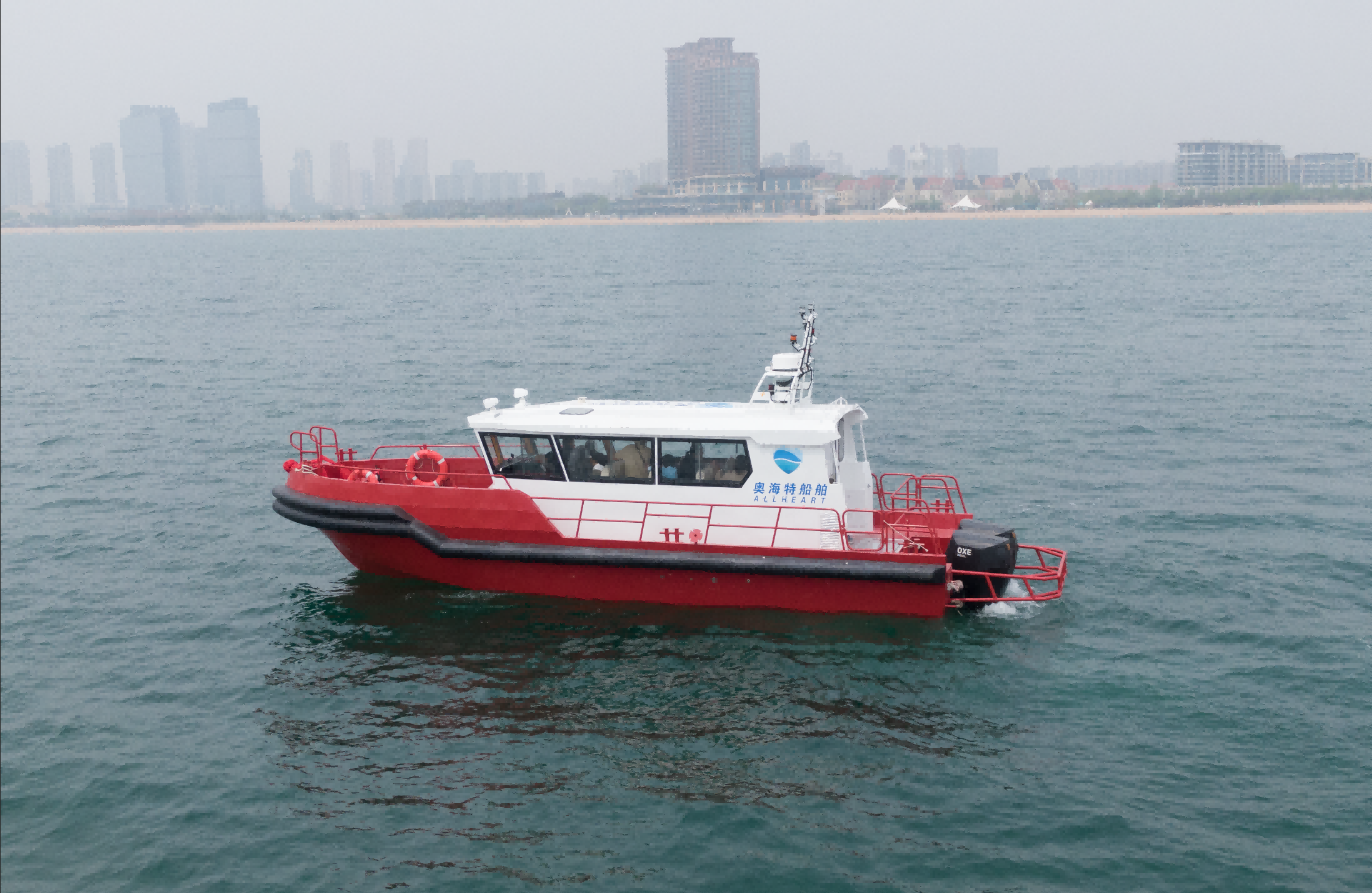
Maritime fire safety has entered a new era, driven by the need to protect both lives and complex onboard systems. Traditional methods like CO₂ flooding, while effective at smothering flames, pose significant risks to crew members and often cause extensive collateral damage to sensitive electronics. The confined, isolated nature of vessels demands solutions that work reliably without relying on immediate external support, prompting a shift toward suppression technologies that are both faster-acting and less hazardous.
One standout innovation is the use of water mist systems, which deploy ultra-fine droplets to cool fires rapidly while displacing oxygen. Unlike conventional sprinklers, these systems use significantly less water—a critical advantage on ships where weight and stability are constant concerns. Similarly, clean agent suppressants like Novec 1230 or inert gas blends have gained traction because they leave no residue, preserve electronic equipment, and are safe for occupied spaces. These alternatives address the dual challenge of extinguishing fires in engine rooms or cargo holds without putting personnel at risk or damaging costly navigation and communication gear.
Modern vessels are also integrating intelligent detection networks that do more than just sound an alarm. Advanced sensors paired with machine learning can differentiate between a harmless engine heat spike and an actual smoldering fire, drastically cutting false alerts. Once a threat is verified, these systems can automatically shut down ventilation, seal compartments, and activate suppression units before human intervention is possible. This seamless coordination between fire alarms, suppression hardware, and ship management systems represents a fundamental leap forward—turning maritime fire response from a reactive drill into a predictive and automated safeguard.
Crew Safety Reinvented: Protective Design and Redundancy
Redefining safety at sea starts with design that actively shields the crew before danger even materializes. Instead of treating protection as an afterthought, every structural element and material is chosen to absorb impact, contain hazards, and maintain integrity under stress. Walkways are engineered to stay slip-free even when wet, handrails extend through entire corridors, and escape routes remain illuminated and unobstructed regardless of power loss. The goal isn't just to meet safety codes, but to create an environment where the vessel itself becomes a guardian, reducing the chance of injury through thoughtful, preemptive engineering.
Even the most robust design can't eliminate every risk, which is why redundancy is built into every critical system. From duplicate steering controls to backup power that kicks in automatically, the philosophy is simple: if one component fails, another is already standing by to take over seamlessly. Communication lines have multiple pathways, fire suppression systems overlap, and life support functions are double-linked to ensure no single point of failure leaves the crew vulnerable. This layered approach transforms emergencies from potential disasters into manageable events, giving the team confidence that their safety relies on more than just luck or a single line of defense.
Seamless Coordination Through Cutting-Edge Communication Networks
Modern teams operate in fluid environments where split-second decisions rely on the uninterrupted flow of information. Cutting-edge communication networks now serve as the invisible backbone for these dynamics, blending high-bandwidth data streams with ultra-reliable low-latency links to keep everyone on the same page—whether they're across the hall or spread across continents.
What sets today's networks apart is their ability to adapt in real time to shifting demands, from configuratively prioritizing voice traffic during a crisis call to seamlessly integrating IoT sensor data into a shared operational view. Intelligent routing and edge computing reduce hops and jitter, ensuring that a collaborative whiteboard session or a remote equipment diagnostic feels as immediate as an in-person conversation.
In practice, this means a field technician can share a live camera feed with a specialist hundreds of miles away, overlaid with augmented reality annotations, while the central dispatch monitors progress on the same channel. It's this kind of frictionless coordination—woven directly into the fabric of daily operations—that is redefining what it means to work together, turning what used to be logistical hurdles into simple, natural extensions of a team's reflex.
Specialized Onboard Medical and Rescue Gear Configurations
Tailoring onboard medical setups to specific mission profiles isn't just about cramming more gear into less space—it's about orchestrating rapid, precise care in environments where every second and every inch matters. Our approach strips away the generic checklist mentality, instead mapping out modular stations that can pivot from trauma stabilization to prolonged field care without requiring a full bay refit. Think nested vacuum splint systems integrated into seatback panels, or airway management kits that slide out as a single, sealed rail rather than a tangled assortment of pouches. The goal is a configuration that feels less like a storage solution and more like a mobile extension of the responder’s own instincts.
Rescue gear layouts demand an entirely different logic when you're moving at altitude or confined inside a vibrating fuselage. We've found that standard jump bags fail spectacularly under G-forces or during rapid extractions—so we shifted toward low-profile, compression-mounted modules that keep critical tools accessible even when crew members are strapped in. Foam-injected Peli case inserts are replaced with flexible retention cages that let you grab shears or a tourniquet without looking, while still locking everything down the moment you release. For hoist and basket operations, we integrate quick-detach platforms that transfer a full suite of spinal immobilization and splinting aids directly to the rescue litter, slashing the time between vehicle and victim.
Perhaps the most overlooked element is how configurations adapt when the mission transitions from hospital-to-scene to prolonged remote standby. We design redundant power routing that feeds portable monitors and suction units from the main bus without creating a spiderweb of cords, and we pre-stage tactical pharmacy modules that color-code by treatment priority rather than alphabetical order. External compartments get hardwired for night ops with shielded, dimmable lighting strips that won't flare a pilot’s vision. Every layout gets stress-tested not just for what it carries, but for how it sweats, rattles, and cooperates with the crew when the helicopter is torn between hovering and landing at the edge of god-knows-where.
Field-Proven Reliability from Rigorous Operational Trials
When equipment faces the harshest conditions, only real-world testing separates promises from performance. Our systems undergo exhaustive field trials across multiple continents, operating in dust-choked deserts, humid jungles, and subzero tundra. Months of continuous, high-stress use expose even the smallest vulnerabilities, which are then engineered out before production. This isn't simulated stress—it's dirt, vibration, and temperature swings from actual operations, ensuring that when you deploy, you're getting a mature, battle-hardened solution.
Every component earns its place through data captured during these trials. We analyze failure patterns, refine materials, and push redesigns until mean time between failures climbs far beyond industry norms. The result is a platform that not only meets spec sheets but thrives in unpredictable environments, delivering uptime that operators trust because they've seen it work firsthand—on remote rigs, in logistical hubs, and at forward operating bases where failure isn't an option.
Our approach to reliability is grounded in transparency: we openly share trial outcomes and teardown analyses with early adopters, turning feedback into rapid improvements. This collaborative cycle builds a track record that speaks louder than any warranty. By the time a system reaches your hands, it has already survived years' worth of punishment in accelerated life testing and live missions, giving you confidence that it will perform when it matters most.
FAQ
Modern offshore rescue boats use advanced stabilization systems and hull designs that cut through heavy swells. Their deep-V hulls and computer-controlled trim tabs let them maintain speed and maneuverability even when the weather turns nasty, so crews can reach distressed vessels quickly without compromising safety.
You'll find remotely operated water monitors capable of pumping thousands of gallons per minute, mixed with foam systems for chemical or fuel fires. The pumps are often diesel-driven and can draw seawater directly, meaning they can sustain operations indefinitely. Some newer models even integrate infrared cameras to pinpoint hotspots through smoke.
They're designed to be flexible. While they can handle many emergencies alone—thanks to onboard medical bays and rescue zones—they often coordinate with helicopters and support ships. In major offshore incidents, you might see them acting as on-scene command platforms, directing multiple assets.
The vessels are built with heat-resistant superstructures and water deluge systems that create a protective curtain around the boat. Crews also have dedicated safe zones and wear specialized thermal gear. Plus, remote firefighting tech lets them attack the flames from a safer distance than would have been possible a decade ago.
Most are capable of staying at sea for several days without refueling, with a range exceeding 500 nautical miles. They carry enough fuel, provisions, and medical supplies to sustain both crew and survivors during prolonged operations, which is critical when working far from land.
Satellite communication and dynamic positioning have been game-changers. Boats can now hold exact positions near a burning platform without anchoring, and real-time data links allow shore-based experts to advise on complex rescues. Drones are also starting to be used for rapid aerial surveys of disaster scenes before the boat moves in.
Conclusion
Modern offshore rescue and firefighting boats represent a leap forward in maritime emergency response, blending speed, intelligent systems, and robust engineering to confront crises at sea. When a distress call comes in, these vessels exploit rapid deployment tactics that cut response times dramatically, with hull designs and propulsion configurations enabling them to slice through heavy swells and reach critical offshore installations in minutes. Once on scene, next-generation fire suppression systems take over, using high-capacity pumps, remote-controlled monitors, and hybrid foam/water agents to smother blazes on oil platforms or cargo ships. These systems are tightly integrated with cutting-edge communication networks that link the boat with onshore command centers, nearby vessels, and aerial assets, allowing for seamless coordination and real-time data sharing that turns chaotic emergencies into structured rescue operations.
Equally vital is the reinvention of crew safety through protective design and built-in redundancy. Enclosed citadels with positive-pressure filtration shield personnel from toxic smoke and heat, while duplicated critical systems ensure the mission continues even if one component fails. The onboard medical and rescue gear is purpose-built for maritime extremes: stabilized stretchers, hypothermia treatment units, and compact trauma modules enable advanced life support far from shore. All of this capability is validated through rigorous operational trials that push the vessels—and their crews—to the limit, simulating everything from helicopter hoists in gale-force winds to 12-hour firefighting endurance tests. The result is field-proven reliability that rescue services can count on, making these boats indispensable guardians for offshore energy, shipping lanes, and coastal communities facing high-stakes emergencies.
Contact Us
Contact Person: Benny Hu
Email: [email protected]
Tel/WhatsApp: +8618354225697
Website: https://www.allheartmarine.com/