

OEM Library RFID: Streamlining Integration for Smart Inventory Management
2026-05-23
Imagine a library where every book, CD, and DVD seamlessly reports its location, check-out status, and movement history without human intervention. This is the reality for forward-thinking institutions using OEM library RFID solutions. But behind the scenes, integration challenges often turn this dream into a logistical nightmare. That’s where OSRFID steps in, transforming complex hardware handshakes into a plug-and-play experience. In this post, we’ll explore how streamlined RFID integration is unlocking smarter, faster, and more reliable inventory management for libraries worldwide.
The Hidden Complexity of RFID Deployment in OEM Libraries
Implementing RFID in an OEM library is rarely a simple plug-and-play endeavor. The hidden complexity often starts with the sheer variety of materials and formats that must be tagged—each type of book cover, metal shelf, or multimedia item affects read range and requires specific tag placement. Without careful testing, tags may fail to read consistently, leading to frustrating gaps in inventory accuracy and patron self-checkout reliability. In many cases, the electromagnetic noise from existing infrastructure, such as security gates or power lines, further complicates signal performance, demanding iterative on-site tuning that no vendor manual fully documents.
Beyond the physics of radio waves, there is the intricate challenge of data migration and system interoperability. Libraries often rely on legacy catalog systems that were never designed to communicate with modern RFID middleware. Mapping item identifiers, reconciling duplicate records, and ensuring that circulation statuses update in real time across all terminals can demand custom scripting and weeks of troubleshooting. Staff may discover that a tagged item’s location shows as “available” in one module but “missing” in another, not because of a hardware failure, but due to a subtle mismatch in how timestamps are logged across databases.
Finally, the human factor introduces its own layer of hidden difficulty. Library staff accustomed to barcode workflows must unlearn habits developed over decades. Placing a stack of books on a reader without proper spacing, for example, can cause misreads that are invisible to the untrained eye but corrupt inventory counts. Patrons, too, may inadvertently shield tags or bypass anti-theft detection through simple actions like holding a book tightly. Successful deployment thus depends on continuous training and the refinement of operational protocols, not just the installation of hardware and software.
Why Plug-and-Play RFID Isn’t Always What It Seems
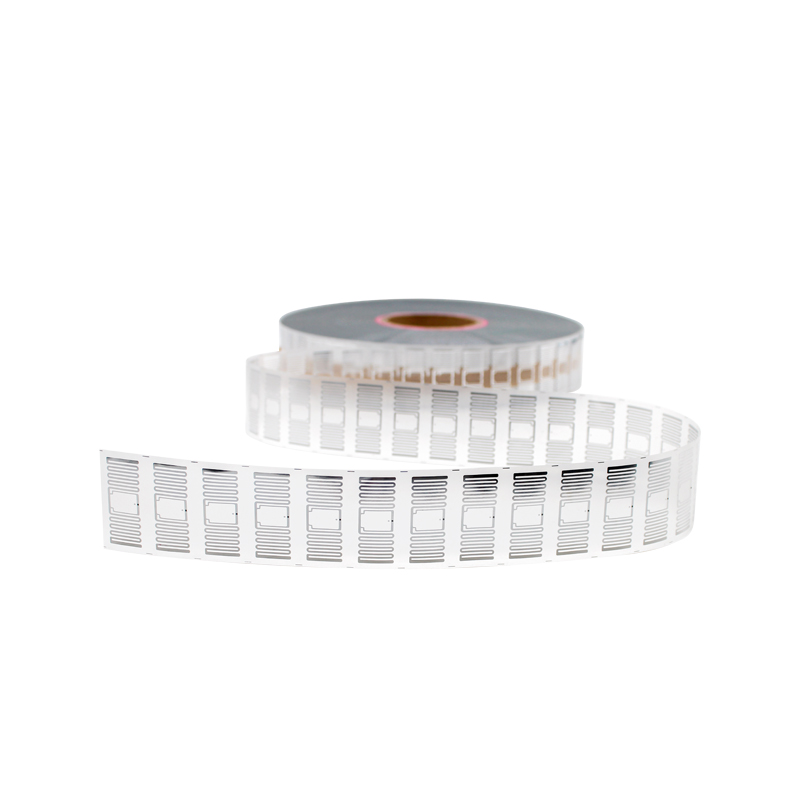
The promise of plug-and-play RFID sounds enticing: unpack a reader, connect it, and instantly start tracking assets. In practice, things rarely go that smoothly. Even when hardware is technically compatible, the physical environment can throw unexpected curves. Metal shelving, liquid containers, and dense machinery create reflections, absorption, and detuning that undermine read accuracy. Without careful site surveys and tag placement tweaks, you might end up with data gaps that make the whole system feel more like guesswork than automation.
Then there's the software side. Most plug-and-play claims assume your existing infrastructure will seamlessly digest the incoming data. But in reality, raw RFID streams are noisy and often meaningless without context. Integrating them into an ERP or WMS requires middleware, data filtering rules, and sometimes custom APIs. What looks like a simple hardware handshake can quickly become a multi-week IT project, especially when legacy systems weren't designed for real-time sensor data. The label 'plug-and-play' tends to gloss over these hidden integration costs.
Finally, the tag itself can be the weak link. Off-the-shelf RFID tags often fail when faced with unconventional surfaces or extreme temperatures. A tag that performs beautifully on a cardboard box in the lab might fall silent when adhered to a metal drum or when buried under ice in a cold chain application. Getting the right tag for the right surface, combined with optimized encoding, takes domain knowledge—not just a USB connection. True plug-and-play would require prescience about every variable in your operation, and that's a tall order even for well-designed technology.
Bridging the Gap Between Hardware and Inventory Software
Modern warehouses often struggle with a disconnect between the physical devices handling goods and the inventory platforms that track them. Scanners, RFID readers, and automated conveyors collect real-world data, yet too frequently this information lands in software that treats it as abstract entries. It’s not just about moving numbers from A to B—it’s about making sure a barcode scan in the receiving bay instantly updates stock levels, reorder triggers, and even the handheld device of a picker, without anyone having to manually reconcile spreadsheets.
A major hurdle is that hardware operates in milliseconds, while legacy inventory systems were built for batch updates. Trying to force live data into a nightly sync schedule leads to phantom stock, misplaced items, and frustrated floor staff. The fix isn’t always a costly system overhaul. Smart middleware, lightweight APIs, and edge computing nodes can translate machine signals into actionable records right at the point of activity. This lets a temperature sensor’s alert automatically flag perishable goods for priority dispatch, rather than waiting for a human to check a log after the fact.
In practice, bridging this gap means designing workflows where hardware and software speak the same language. For example, a mobile scan gun shouldn’t just record a transaction—it should also trigger label printing, confirm shelf location via a light module, and update the sales team’s dashboard simultaneously. When done right, the result is an environment where inventory accuracy stops being a daily panic and becomes a background certainty, freeing people to focus on nuanced decisions that no machine can make.
Real-World Wins: When RFID Integration Actually Saves Time
A mid-sized warehouse in Texas was spending hours each week manually scanning barcodes on incoming shipments. After integrating an RFID system, the team simply rolls pallets through a reader gate, and the entire inventory list updates in seconds. What used to eat up Monday mornings now happens in the background while staff focus on priority restocking.
In healthcare, a busy clinic replaced its manual check-in process with RFID badges for recurring patients. Upon arrival, patients tap their badge at a kiosk, pulling up their entire file and notifying the assigned nurse instantly. The setup eliminated repetitive data entry and shaved an average of four minutes per visit, freeing up hundreds of staff hours annually.
At a retail chain, RFID tags on high-value apparel dramatically cut the time staff spent hunting for overdue online returns. Instead of rifling through racks, a handheld reader locates the exact item in seconds. This sped up the reverse logistics flow so much that the company reduced its seasonal temp hires, relying on smarter tracking rather than extra hands.
The Unspoken Cost of Delaying RFID Adoption
Many organizations underestimate how quickly the hidden expenses of manual tracking compound. Each day without RFID means more hours spent on cycle counts, more errors in shipping, and more shrinkage that goes undetected until it's too late. These aren't just operational hiccups—they're slow leaks that drain profitability and tie up capital that could fuel growth.
Beyond the obvious labor and inventory discrepancies, there's a deeper erosion of customer trust. When your systems can't confirm stock levels with certainty, you over-promise and under-deliver. Backorders, delays, and inaccuracies chip away at your reputation, pushing buyers toward competitors who can guarantee availability. The cost isn't just a lost sale; it's the long-term devaluation of your brand promise.
Perhaps most insidious is the opportunity cost of data that doesn't exist. Without RFID, you're flying blind—unable to analyze real-time movement patterns, optimize shelf replenishment, or respond swiftly to demand shifts. While you're still reconciling spreadsheets, more agile players are using granular visibility to reduce waste, improve margins, and capture market share. The price of delay isn't merely a line item; it's the widening gap between where you are and where you could have been.
Future-Proofing Libraries Without Overhauling Existing Systems
Libraries buried deep in a codebase often feel like archaeological relics: they work, but just barely, and nobody wants to touch them for fear of breaking everything. Rather than staging a risky, all-at-once migration, smart teams lean on abstraction layers that let aging dependencies coexist with newer alternatives. By wrapping old APIs behind a consistent interface, you can swap out the underlying implementation piece by piece—no dramatic cutover needed.
Another low-friction tactic is to lean on feature flags that route specific traffic to a modernized service while the legacy library still handles the rest. This lets developers test a replacement component in production without committing to it wholesale, gradually dialing up usage and catching edge cases long before a full rollout. Paired with thorough contract testing, this approach keeps both paths in sync and reduces the risk of subtle compatibility breaks.
When the library itself is open source but stagnant, consider forking it and applying minimal, surgical upgrades that target only the pain points you’re hitting—like security patches or performance bottlenecks. Even better, contribute those changes back upstream if possible, turning a temporary fork into long-term support. The goal isn’t to chase every shiny new release; it’s to keep the system resilient enough that a future upgrade, if it ever comes, will feel like a minor chore rather than a crisis.
FAQ
OEM Library RFID refers to customizable RFID components—like tags, readers, and antennas—that are designed to be integrated into a library’s existing systems. Unlike pre-packaged solutions, these are often white-labeled and can be tailored to specific inventory workflows, allowing libraries to adopt RFID without overhauling their entire setup.
Instead of replacing current infrastructure, OEM modules are built to snap into existing check-out stations, security gates, and shelving systems. This interoperability slashes deployment time and minimizes staff training, so libraries can shift to smart inventory tracking without disrupting daily operations.
OEM tags are engineered for high read rates even on tightly packed shelves or metal-embedded books. They can store unique identifiers and location data, enabling real-time shelf-reading and drastically reducing miscounts and misplacements that plague manual audits.
Yes, most OEM providers design their hardware and middleware to communicate via standard protocols like SIP2 or NCIP, ensuring compatibility with popular ILS platforms. Custom APIs can also be developed if you’re using a proprietary system, making integration smooth.
It tackles the slow, error-prone nature of barcode scanning, especially during annual inventories or stocktaking. With OEM RFID, staff can scan entire shelves in seconds, locate missing items instantly, and even automate check-in processes, freeing up time for patron services.
Because the hardware is modular and firmware can be updated, libraries can adopt emerging standards like RFID-enabled self-service kiosks or IoT-based analytics without a complete system swap. This scalability ensures your investment adapts as technology evolves.
Look for providers offering robust technical support, clear documentation, and a track record of interoperability. It’s also smart to check if their tags are ISO 18000-3 Mode 1 compliant and if they provide testing samples for your unique collection materials and shelving layout.
Conclusion
Deploying RFID in OEM libraries is rarely as straightforward as vendors claim. The promise of plug-and-play simplicity quickly dissolves when faced with the messy reality of legacy systems, diverse hardware, and software that doesn’t talk to each other. Most off-the-shelf RFID kits demand extensive customization—mapping data fields, reconciling communication protocols, and testing edge cases that only surface in live environments. Without deliberate integration, the gap between a sleek RFID reader and the library’s inventory software creates more friction than it resolves.
Libraries that invest in tailored RFID integration, however, see tangible returns. A well-executed setup can slash inventory cycle times from weeks to hours, while real-time tracking eliminates the guesswork from shelf management. The hidden costs of delaying adoption—lost staff hours, mis-shelved materials, and patron frustration—often outweigh the upfront price. Moreover, modern OEM RFID solutions can overlay onto existing infrastructure, adding smart capabilities without forcing a full system replacement. This future-proofs operations, letting libraries evolve at their own pace while delivering the efficiency that both staff and users now expect.
Contact Us
Contact Person: Esme Mo
Email: [email protected]
Tel/WhatsApp: 0086 191 2931 7837
Website: https://www.osrfidglobal.com/