
ODM FRP Manhole Cover Solutions Built for Strength and Longevity
2026-11-21
Every street hides a quiet workhorse underfoot. When specifiers need manhole covers that can take heavy loads, shrug off corrosion, and still fit unusual site requirements, generic cast iron rarely checks every box. That is where ODM FRP manhole cover solutions from Sino Grating step in: built around your dimensions, load ratings, and operating environment for strength that lasts well beyond the usual replacement cycle.
What Makes Molded FRP Stronger Than It Looks at First Glance
Most of the strength in molded FRP comes from the glass fibers themselves, not from a thick, bulky wall section. During molding, resin surrounds and locks those fibers into a continuous load path. When a panel bends or takes an impact, the fibers carry the tension while the resin spreads the force across a wider area. That combination lets a relatively thin part handle stress that would leave unreinforced plastic cracked or permanently deformed.
The molding process also removes much of the guesswork. Because the resin and fibers are pressed under heat and pressure, voids and resin-rich pockets get squeezed out. The result is a dense, consistent laminate with fewer hidden weak spots. In service, that means the part tends to flex and return to shape rather than snapping at a small flaw.
Geometry does a surprising amount of work as well. Molded ribs, returns, and curved profiles act like built-in stiffeners, so a flat-looking cover or housing can resist twisting and bending far better than its thickness suggests. Once the part is out of the mold, those shapes are locked in, and the fibers stay oriented exactly where the load path needs them.
Load Ratings That Hold Their Numbers After Years in Service
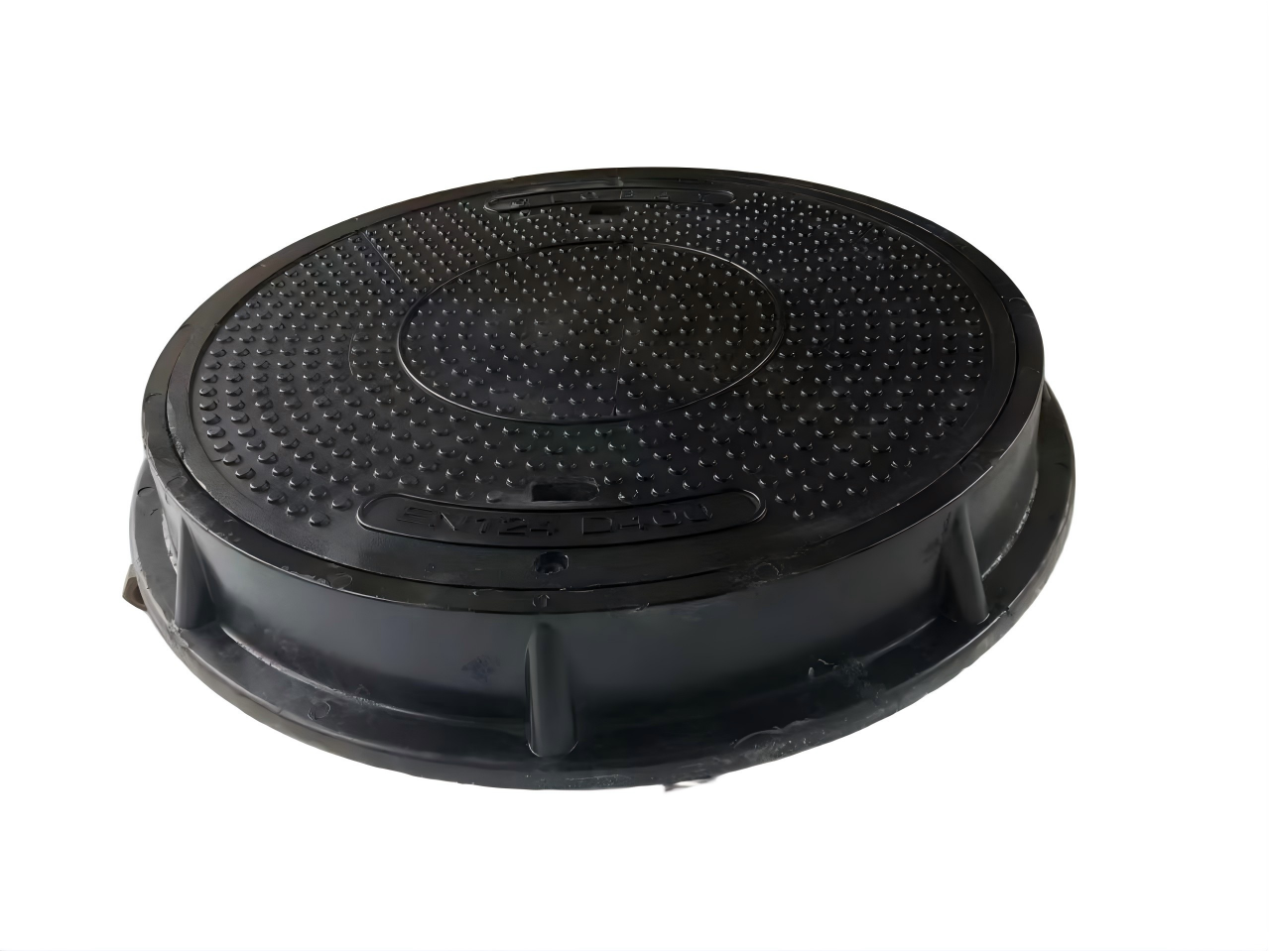
A load rating means little if it drifts after the first few hard seasons. On equipment that actually gets used, bolts settle, coatings wear thin, and repeated shock loads quietly chew away at the original test values. The ratings that still match the nameplate a decade later tend to come from designs where the published number was never the failure point in the first place—it was set well back from the real limits, with enough margin to absorb the slow damage that ordinary use brings.
Keeping that number honest usually comes down to unglamorous choices: better fasteners that hold clamp load, materials that resist creep at temperature, and load paths that spread stress instead of concentrating it at one hard-to-inspect corner. Some manufacturers also re-run pull tests on units pulled from the field, not just fresh samples off the line. That is where the difference shows up—ratings that survive years of service are verified against what time and weather actually do, not what a controlled lab run suggests on day one.
Custom Mold Cavities Built to Skip the Usual Site Adjustments
We machine each cavity from the actual mounting and alignment data of the press it will run in. The pocket location, clamp slot spacing, and knockout pattern are locked before the steel leaves our floor. On install, the mold drops into place without the usual shim stacking or hand grinding around the parting line.
For multi-cavity jobs, we verify stack height and gate balance on a fixture that mirrors the press platen, not just a generic surface plate. Any mismatch gets corrected in our shop, where temperature and setup are controlled. By the time the tool reaches your facility, the cavities are matched to the machine, so the first shot is about process settings, not chasing alignment.
That approach removes most of the trial-and-error that normally happens during installation. Setup crews can focus on resin temperature and cycle time instead of tearing the mold apart to adjust leader pins, wear plates, or cavity inserts. The result is a shorter handoff from delivery to stable production, with fewer off-spec parts burned during startup.
The Real Longevity Test in Corrosive and Chemical Environments
Salt spray cabinets and single-chemical immersion tests can tell you something, but they rarely tell you what happens when a part is actually put to work. A pump housing in a plating shop may see sulfuric acid mist in the morning, rinse water at noon, and a hot alkaline cleaner before shutdown. The real longevity test starts with that irregular, mixed exposure—plus thermal expansion, vibration, and the occasional splash that dries into a concentrated film. It is less controlled and far less forgiving than a polished laboratory coupon.
Failures in these environments tend to begin where stress and chemical concentration overlap: under bolt heads, inside threads, along heat-affected welds, or in crevices where a gasket traps liquid. A lining that passes a standard immersion test may still crack at a flange because the resin cannot handle the strain of temperature cycling. That is why long-term answers come from inspection ports, removed fittings, and parts that have already spent years in service. Their surfaces carry a record that no accelerated protocol can fully reproduce.
Judging real durability means looking at what still seals, holds pressure, and resists further attack after years of combined exposure. Service records from wastewater plants, chemical transfer lines, and coastal processing facilities often show gradual wall thinning, pitting in low-flow areas, and attack at coating scratches—details that laboratory coupons miss entirely. Those worn, repaired, and still-functioning components offer the most dependable evidence of how a material will behave over a realistic lifetime.
Lighter Panels That Stay Put Under Heavy Traffic
The real problem with lightweight access covers has never been the weight itself. It is the way they shift, rattle, or lift at the edges when a loaded truck passes over. These panels take a different approach by turning that downward pressure into a locking force. The perimeter sits slightly lower than the frame lip, so each axle load presses the panel more firmly into its seat instead of working it loose.
A dense, glass-reinforced core keeps the overall mass low without giving up stiffness. That matters because flex is what eventually breaks down surrounding pavement and makes a panel rock under repeated passes. By keeping deflection minimal, the panel protects the supporting edges and avoids the slow loosening that leads to noise, water ingress, and premature replacement.
Field crews notice the difference during installation as much as during use. One person can position a panel without special lifting gear, yet once it is dropped into the frame, it does not creep or bounce under stop-and-go traffic. The result is a cover that feels almost temporary to handle but behaves like a permanent part of the roadway.
Why Maintenance Teams Spend Less Time on Composite Covers
Composite covers rarely demand the same level of attention as their metal counterparts. There's no rust to scrape, no seized bolts to fight with penetrating oil, and no need to schedule repainting every other season. A quick rinse or a wipe-down is usually enough to keep them looking and functioning as intended, which quietly returns hours to the maintenance calendar.
The real time savings come from what doesn't happen. Crews aren't chasing down replacement gaskets for warped frames, dealing with hairline cracks that turn into trip hazards, or coordinating heavy lifting just to inspect a lid. Because the material shrugs off moisture, chemicals, and everyday abuse, the usual cycle of repair-and-recheck gets cut short.
Over a year, those skipped tasks add up. Teams find themselves using that reclaimed time for preventive work elsewhere instead of repeatedly circling back to the same covers. It's a quieter kind of maintenance—less reactive, less physically demanding, and far less likely to interrupt the rest of the facility's routine.
FAQ
They offer high compressive strength without the weight penalty of iron, so field crews can lift and reposition them with less equipment. The material also resists corrosion and doesn't develop the same rust-related seizing that often makes older covers difficult to open.
The resin and fiber construction is inherently resistant to salt, moisture, fuels, and many industrial chemicals. That makes them a stronger choice for ports, treatment plants, and roads where de-icing salts would normally accelerate metal deterioration.
Yes. The internal reinforcement and layering are tuned to meet the required load class, whether that means light foot traffic or heavy commercial vehicles. Properly specified covers distribute weight effectively and resist cracking under dynamic loads.
An ODM partner can adjust recess depth, frame style, hinge options, locking systems, color, and surface texture. Covers can also be molded with utility markings, logos, or anti-slip patterns that fit the client's operating environment rather than forcing a generic design.
Life expectancy depends on installation and load conditions, but a properly matched cover can often outlast metal equivalents in corrosive settings. Many are expected to provide decades of service with minimal surface wear and no need for repainting or rust treatment.
Generally yes. Since the material has little scrap value compared with cast iron or steel, the financial incentive to steal covers is sharply reduced. That lowers replacement costs and reduces the risk of open manholes in vulnerable areas.
The surface can be molded with a durable grit or textured pattern that remains effective even when wet. Unlike painted metal, the anti-slip quality is part of the cover itself and doesn't wear away quickly under foot or tire traffic.
In most cases it's easier because the covers are lighter and don't require the same heavy lifting gear. Seating still depends on a properly leveled frame, but once aligned, the covers sit securely and can be removed with standard lifting keys or pry points.
Conclusion
ODM FRP manhole covers rarely get a second look until they are asked to carry loads that would crack conventional alternatives. Molded glass-reinforced construction places strength precisely around ribs, edges, and stress points without the dead weight of cast iron. Load ratings are not just a factory stamp; they hold their numbers after years of traffic because the material resists rust, fatigue, and gradual section loss far longer than metal typically does. Custom mold cavities also eliminate most on-site adjustments. Instead of grinding, shimming, or re-cutting frames, installation crews receive covers that drop into existing clearances and match surrounding surfaces from the very first placement. This removes a common source of project delays.
The longer service picture becomes clearer in corrosive and chemical environments. Repeated exposure to road salts, wastewater gases, and industrial runoff does not blister or weaken the composite surface. While the panels are lighter than metal equivalents, their molded geometry and underside bracing keep them from shifting under heavy vehicles day after day even after repeated traffic cycles. Maintenance teams notice the difference in hours saved: no seized iron frames, no repainting, and no scheduled replacement cycles driven by corrosion. That combination of stable load performance, chemical resistance, and low upkeep makes ODM FRP covers a practical long-term choice in demanding infrastructure rather than a short-term substitution.
Contact Us
Contact Person: Nicholas Zhu
Email: [email protected]
Tel/WhatsApp: 18921275456
Website: https://www.sino-grate.com