
Light Tower Manufacturer Guide for Reliable Portable Job Site Lighting
2026-11-16
Most job site lighting guides repeat the same generic checklist. This one doesn’t. If you’ve ever watched a portable light tower fade halfway through a night shift, or tried to compare manufacturers without wading through sales talk, you know the stakes. This guide cuts through the noise to show what actually makes mobile lighting dependable on demanding sites—and why a growing number of teams start their search with Homall Industry Limited before making a purchase.
Why the Cheapest Light Tower Usually Costs More by Month Three
A low sticker price on a light tower feels like a win until the fuel log tells a different story. Many budget units ship with smaller, less refined engines that burn through diesel at a pace that wipes out the upfront savings. Cheaper alternators and wiring also tend to work harder than they should, which means more heat, more wear, and more frequent replacements before the first quarter ends.
The bigger hit usually comes from downtime. When a mast refuses to extend or a ballast dies on a night shift, the crew doesn't simply wait quietly. You pay for idle labor, missed handoffs, and sometimes a rushed rental at whatever rate the nearest dealer wants to charge. Bargain light towers are notorious for loose fittings, weak latch points, and control panels that corrode faster than expected.
By month three, the spreadsheet looks very different from the purchase order. Fuel overruns, a replacement part here, a service call there, and one or two delayed shifts can easily push total cost past a mid-range model that would have run quietly all quarter. Cheap is rarely cheap once the engine hours start climbing.
Matching Mast Height and Coverage to the Actual Work Area
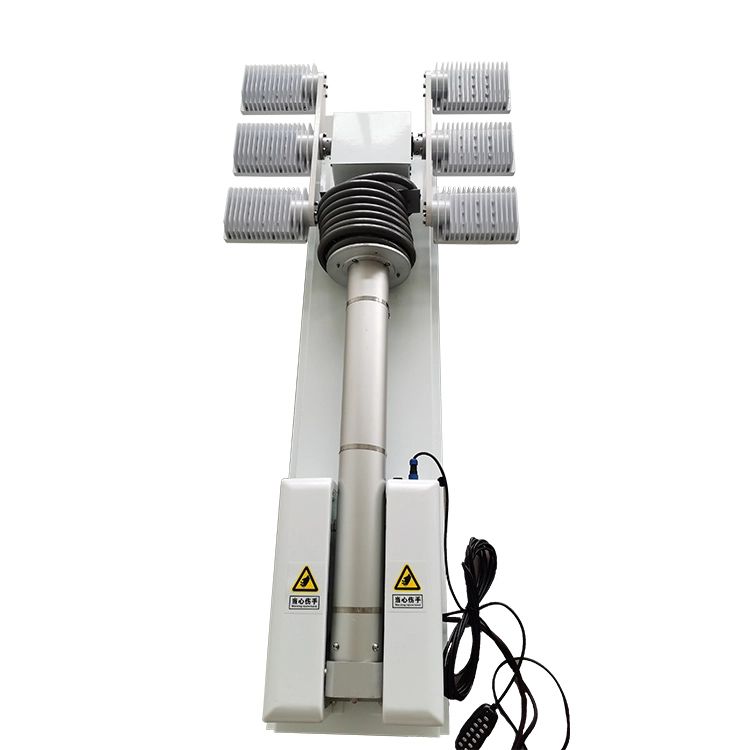
Start by walking the actual work area with the mast location in mind. Note the longest diagonal, any stacked materials, vehicle paths, and places where people will need to read labels, operate valves, or handle tools. A mast placed too far away may reach the middle of the site but leave the edges in shadow, while one placed too close can create harsh pools of light and make the far side harder to judge. Mark the few points that matter most and measure the distance back to the proposed mast base; those measurements are more useful than a generic coverage circle.
Height changes the balance between spread and intensity. Raising the mast widens the pool but softens the light on the ground, stretches shadows behind equipment, and increases spill beyond the boundary. Lowering it improves close-range clarity but may not clear the top of trucks, racks, or temporary structures. Compare the highest obstruction in the work zone with the beam path, and keep at least a small safety buffer below overhead lines. If a single mast cannot cover the full width at a sensible height, two lower-output units placed on opposite corners usually give more even results than one extremely tall tower.
After installation, verify the coverage under real conditions rather than judging from the centre of the beam. Walk the boundary, the operator stations, and any access paths with a light meter, and adjust the head angle or mast height until the critical zones stay within the required range. It helps to record the final setup in a short note or photo so the next shift can reproduce the same position without guessing. Small changes to height and aim often affect the usable work area more than increasing wattage does.
Diesel, Battery, or Hybrid: Runtime Decisions That Survive a Night Shift
Night shifts have a way of exposing the difference between rated runtime and what happens after the first cold start. Diesel equipment may look strong on paper, but idle time, older fuel, and harsh temperatures quietly shave hours off the tank. Battery packs are no different: a pack that once covered a full shift can start fading halfway through once it has a few hundred cycles behind it.
Hybrid machines make the most sense when the workload is uneven. Picking, staging, and dock work can stay on electric power, while longer runs or outdoor ramps can draw on diesel without forcing a recharge. The useful question is not which fuel type is better, but whether a crew can top up or swap a battery at 3 a.m. without breaking the rhythm of the shift.
For night operations, the safest plan usually includes a buffer. A charged spare battery, a known fuel point, and a charging station near the break area cost less than a stalled machine at the wrong end of the building. Surviving a night shift depends less on the label on the hood and more on how easily the power source fits into the way people actually work.
Wind Ratings and Stability Features Nobody Checks Until Something Bends
Most people pick a carport, pergola, or patio cover the way they pick a paint color: they look at the shape, the price, and maybe the powder coat. The wind rating sticker is just part of the packaging. Then a storm rolls through and the roof panel starts working like a wing. The first thing to fold is rarely the big beam; it is the joint nobody thought about, an aluminum rafter kinked just past a bracket or a post levered out of a thin anchor plate.
Stability is not only about how thick the tubing feels. It lives in the small hardware and the geometry. A structure can pass a straight-line load test and still fail in gusty conditions because the wind keeps changing direction and working the connections back and forth. Corner braces that looked decorative take on the real job, and bolts with no lock washers or nyloc nuts slowly loosen until the entire frame loses its argument with the wind.
If you want to check before something bends, ignore the top speed on the box for a minute. Push the frame sideways and watch where the movement concentrates. Look at the anchor spacing, the number of bolts per bracket, and whether diagonal bracing is actual structure or just trim. Check for witness marks around bolt heads after a few weeks. Once a kink appears, the metal has already given up; the rating never meant much without the details behind it.
Service Access Points That Keep Maintenance From Stalling the Crew
Service access points are often overlooked until something breaks mid-route. A well-placed hatch or removable panel can mean the difference between a ten-minute fix and a stalled crew waiting for a tow. When filters, valves, or wiring junctions sit behind sealed covers with no clear entry, routine checks get skipped, and small issues compound into downtime that nobody planned for.
The real value shows up in rough weather or tight schedules. A crew that can reach a bilge pump switch or a fuel shut-off without emptying a locker saves hours and keeps morale from fraying. It is not just about convenience; it is about designing the boat so that maintenance does not turn into a scavenger hunt while the vessel drifts or loses power.
Builders who think through these access points early tend to create vessels that stay in service longer. A small hatch near the steering gear or a quick-release panel under the helm might seem minor on paper, but it changes how often the crew actually performs the checks. When access is easy, the work gets done. When it is not, the crew stalls, and so does the boat.
Manufacturer Questions That Reveal More Than a Brochure Does
Ask what tolerance range their best production batch actually held, not what the datasheet promises. Then ask how many units from the last run fell outside that range and had to be reworked. The pause before the answer often tells you more than the number.
Request the most common warranty claim by part number, and who handles those calls internally. A brochure may mention quality control, but the person who knows which bracket cracks or which seal leaks is usually one desk away from the sales team.
Find out which step between order confirmation and shipping causes the most delays. If they hesitate, ask whether raw material lead times or final inspection has interrupted a recent delivery. Their answer reveals how the operation actually breathes.
FAQ
Look for reinforced mast sections, sealed electrical enclosures, and a frame built with heavy-gauge steel. Check that the outriggers lock solidly and the unit has a low center of gravity so wind and passing equipment don't cause trouble.
Diesel remains the workhorse for long shifts, but hybrid and battery-assisted models reduce idle time and fuel burn. If noise limits apply, a battery-first tower can run silent for several hours and recharge from the engine or grid when needed.
Coverage depends on mast height, head rotation, and lumens per fixture. A typical 20 to 30 foot mast with four LED heads often handles 5,000 to 8,000 square feet of usable work area, but that number drops when you need higher lux levels for detailed tasks.
Check coolant and oil condition weekly, inspect wiring and connectors for fretting or moisture, and clean LED lenses so dust doesn't cut output. Grease mast rollers and cables on schedule, and exercise the tower up and down rather than leaving it raised for weeks.
They run cooler, draw less current, and survive vibration better than metal halide bulbs. The beam is easier to shape, and there is no warm-up delay after a generator hiccup, so crews get full brightness immediately.
A single-person mast lift, color-coded stabilizer handles, and a tongue jack with a wide foot all speed up deployment. Look for a control panel that labels breakers clearly and places the mast switch away from the engine start to avoid confusion in the dark.
Vertical masts are simple and fast to raise, while telescoping designs give extra height without a longer trailer. If you work near overhead lines or under bridge decks, compact vertical models are easier to maneuver; for broad area coverage, telescoping height helps reduce shadowing.
If the tower will start below freezing, yes. A block heater, battery warmer, and winter-rated hydraulic fluid can prevent most no-start delays. The added cost is minor compared to losing a shift or sending a technician out to jump a cold-soaked unit.
Conclusion
Cheap light towers have a way of getting expensive right around month three. The initial savings evaporate once a crew spends an extra twenty minutes repositioning a mast that cannot cover the full trench run or refueling a tank sized for shorter evenings. Matching mast height and beam pattern to the actual work area fixes more complaints than adding lumens ever will, because glare and dead spots usually come from geometry, not output. Runtime is just as situational: a diesel unit may be the obvious choice for a continuous night shift near a highway, while battery or hybrid makes better sense where noise and refueling access are limited, provided the battery actually lasts past 3 a.m.
Wind ratings rarely get a second look until a mast starts leaning after a spring storm. It is worth checking the tested wind speed, outrigger footprint, and whether the tower can stay upright on uneven ground without a slab. Service access matters in the same quiet way; if a technician has to remove panels to reach a fuel filter, that five-minute job becomes a crew waiting in the dark. Ask the manufacturer how quickly parts ship, what cold-start testing was actually done, and what real burn rates look like under load. Specific answers reveal more than a polished brochure, and they tend to predict which light tower will still be working when the schedule gets tight.
Contact Us
Contact Person: Ryan
Email: [email protected]
Tel/WhatsApp: +85259582726
Website: https://www.robomast.com/