

International Import Export Data Business: Unlocking Global Trade Opportunities
2026-05-14
In today’s hyper-connected global economy, import export data isn’t just numbers—it’s the compass guiding businesses toward untapped markets and sharper competitive edges. Yet many still sift through outdated reports, missing real-time signals that could transform their strategy. That’s where platforms like Tendata step in, turning raw trade figures into actionable insights. In this post, we’ll peel back the layers of how modern data analytics is redrawing trade maps, helping you spot trends before they become obvious—and outpace rivals who are still guessing.
Harnessing Cross-Border Insights for Smarter Trade Decisions
Understanding the full picture of international markets demands more than just surface-level data. Successful traders are digging into granular details—like local consumer behavior shifts, supply chain disruptions, and regulatory changes—to anticipate demand fluctuations before they hit. For instance, a textile exporter monitoring social sentiment in Southeast Asia spotted early signs of a shift toward sustainable fabrics, allowing them to adjust sourcing months ahead of competitors.
Turning these insights into action requires a blend of real-time analytics and seasoned intuition. Rather than relying on static reports, forward-thinking teams are building dynamic dashboards that flag anomalies in shipping routes or sudden tariff adjustments. One food distributor avoided a costly customs delay by rerouting shipments through a less congested port, guided by predictive alerts that combined weather patterns with historical trade flow data. It’s this kind of connected, inquisitive approach that separates routine transactions from genuinely smart trade moves.
From Raw Numbers to Market Moves: The Real Value of Trade Data
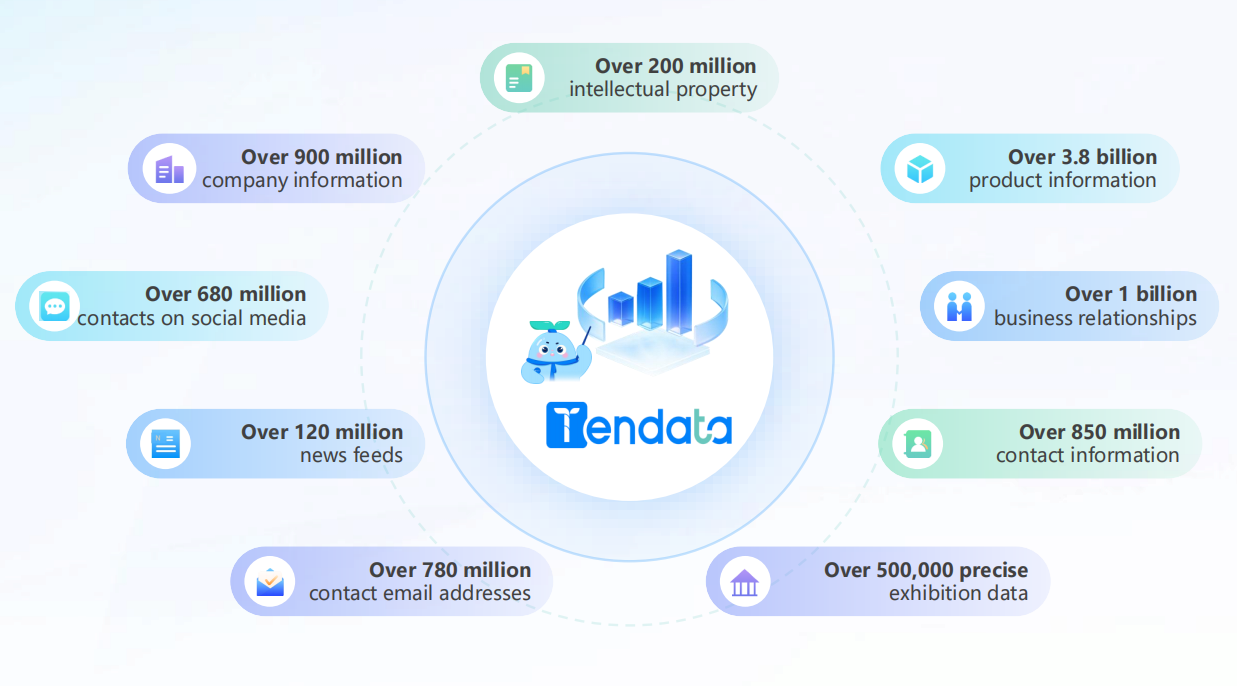
Trade data is often dismissed as a dry collection of figures—export volumes, import values, and balance sheets. But beneath those raw numbers lies a narrative of economic health, geopolitical shifts, and corporate strategy. Every cargo shipment, every customs declaration, reflects a decision made by a business somewhere in the world. Aggregated over time and across borders, these data points reveal emerging market trends, supply chain vulnerabilities, and shifts in consumer demand long before they make headlines. In essence, trade statistics are not just rearview mirrors; they are leading indicators for anyone paying close enough attention.
The real value of trade data emerges when it is contextualized and analyzed with a forward-looking lens. A sudden spike in semiconductor imports from a specific country might signal a new product launch or a strategic stockpile ahead of policy changes. Similarly, a consistent decline in agricultural exports could foreshadow regional instability or shifting dietary patterns. Analysts who go beyond the surface can identify arbitrage opportunities, anticipate regulatory moves, and even model the ripple effects of trade disputes. It’s not about having access to the data—it’s about interpreting the rhythm behind the numbers.
For businesses and investors, integrating trade insights into decision-making means moving from reactive to proactive. Customized dashboards that track real-time commodity flows, combined with natural language processing on trade policy news, can turn scattered information into actionable intelligence. This approach transforms trade data from a mundane statistical exercise into a strategic asset, guiding everything from inventory planning to market entry. The true power lies in distilling complexity into clarity—connecting the dots between a container ship’s journey and a stock’s next move.
Navigating Compliance and Tariffs with Precision Data
Staying on top of ever-shifting tariff regulations and trade compliance requirements can feel like a full-time job, but getting it wrong isn’t an option. Precision data cuts through the noise, giving you real-time alerts on tariff changes, preferential trade agreements, and country-specific import rules. When you have clean, accurate data at your fingertips, you can instantly see how a new duty rate impacts your supply chain and adjust your sourcing or pricing before it hits your bottom line.
Beyond just tracking rates, precise data helps you navigate the gray areas — like correctly classifying goods with Harmonized System codes, validating origin documentation, and flagging potential red flags before customs does. This level of clarity doesn’t just reduce risk; it uncovers hidden savings, such as previously overlooked duty drawback opportunities or free trade agreement benefits you weren’t claiming.
Ultimately, working with accuracy means you move from reactive scrambling to proactive planning. Instead of worrying about penalties or shipment delays, you can focus on strategic decisions, confident that your compliance posture is backed by data you can trust.
Identifying Emerging Markets Before Your Competitors
Spotting emerging markets early often hinges on paying attention to the fringes rather than the mainstream. While most companies focus on saturated urban centers, subtle signals—such as shifts in migration patterns, infrastructure investments in secondary cities, or the sudden proliferation of mobile money agents in rural areas—can reveal untapped potential long before official statistics catch up.
It also requires looking beyond economic data to understand cultural and behavioral changes. A spike in demand for products that simplify daily chores, the rise of micro-entrepreneurs on social platforms, or even grassroots community projects can indicate an appetite for new goods and services that hasn't yet been met. These early indicators rarely appear in boardroom presentations, which is precisely why they give those who act on them a decisive head start.
Building Resilient Supply Chains with Actionable Intelligence
Supply chains today face a relentless stream of disruptions, from extreme weather to geopolitical tension. Many companies still operate with fragmented data, reacting only after damage is done. Shifting to actionable intelligence means connecting real-time signals from across the network—inventory levels, logistics updates, supplier status—and turning them into quick, informed decisions. It’s about knowing not just what is happening, but what to do about it before minor hiccups become major failures.
This approach thrives on clarity and speed. When a key transit route shuts down, teams with integrated intelligence can reroute shipments within hours, not days. The goal is to move from periodic risk assessments to continuous situational awareness. By layering internal operational data with external indicators like port congestion or raw material shortages, organizations build a dynamic picture that supports proactive moves rather than costly scramble.
Ultimately, resilience isn’t a one-time project—it grows from a culture that values foresight over firefighting. Actionable intelligence feeds into long-term planning, helping leaders pinpoint where to add redundant suppliers or invest in local alternatives. When teams trust the data they see and have the autonomy to act, the entire supply chain becomes more adaptive and less vulnerable to shocks.
Turning Global Trade Complexities into Your Competitive Edge
In a landscape where supply routes shift overnight and regulatory frameworks evolve with little warning, most businesses see only hurdles. The real advantage lies in reframing that chaos as a strategic playground. Instead of scrambling to react, you can build systems that absorb disruption and uncover hidden pathways—transforming what stumps competitors into your blueprint for faster, smarter market entry.
Complexity often masks untapped leverage. When tariff codes become a maze and compliance demands feel suffocating, the companies that thrive are those that treat every logistical knot as a puzzle to be solved uniquely. By weaving real-time data, local partnerships, and agile decision-making into the fabric of your operations, you stop fighting the tide of global trade turmoil and start riding it. The edge isn’t in avoiding the mess—it’s in navigating it so deftly that it becomes invisible to your customers.
Ultimately, this isn’t about mastering a static set of rules; it’s about cultivating an organizational instinct for turning friction into forward motion. When your team sees a sudden customs delay not as a setback but as a chance to reroute through a more cost-effective lane, you’ve shifted from defense to offense. The global market’s erratic nature won’t wait for perfection, but it richly rewards those who can move with its rhythm rather than against it. That’s how complexity stops being a barrier and becomes the very reason you pull ahead.
FAQ
It's a service that collects, cleans, and organizes global shipping and trade records from sources like customs declarations, bills of lading, and shipping manifests. Companies in this niche then provide access to these datasets through platforms or APIs, enabling clients to analyze trade flows, track competitors, and identify potential buyers or suppliers across borders.
The data helps businesses spot emerging market trends early, evaluate the stability of overseas partners, benchmark their own performance against competitors, and uncover underserved regions. For example, a manufacturer might notice a spike in a particular component's imports to a country and pivot production to meet that demand before rivals do.
By revealing shipment volumes, frequencies, and the identities of parties involved, companies can verify the legitimacy and scale of a potential partner. If a supposed large distributor only receives tiny, sporadic imports, that's a red flag. It also allows firms to diversify suppliers quickly if geopolitical or logistical disruptions hit a source country.
Absolutely smaller players use it. Modern platforms often offer pay-as-you-go or subscription tiers that fit lean budgets. A boutique food importer can check what specialty items are trending in their target city, while a startup gadget maker can find overseas distributors who already handle similar products. The key is focusing on specific queries rather than buying vast raw data dumps.
A trustworthy provider updates their information frequently—ideally within days of the original customs filing—and clearly states their coverage breadth and any gaps. They should offer clean, standardized records with HS codes, and provide responsive customer support. Watch out for companies that offer suspiciously low prices with no transparency about data sources or freshness.
It's widely used for supply chain risk management, investment analysis, academic research on trade patterns, and government policy evaluation. Financial institutions might monitor raw material imports to forecast commodity prices, while logistics companies analyze shipment routes to optimize their own networks. Some even use the data to detect trade-based money laundering or sanctions evasion.
Consider a mid-sized automotive parts supplier. They traditionally sold only domestically. After analyzing five years of import data, they discovered a consistent, unmet need for their type of bearings in three Eastern European countries. They then attended a relevant trade fair, established distributors, and within 18 months, exports accounted for 25% of revenue—all because the data showed them exactly where demand existed.
Reputable services invest heavily in data normalization. They map various national tariff codes to a common harmonized system (HS), use algorithms to fill gaps in shipper or consignee names, and cross-reference with multiple sources to improve completeness. They also typically offer data quality scores or flags so users can filter by reliability. It's an imperfect science, but advanced providers reach very high accuracy rates through continuous refinement.
Conclusion
In a world where trade flows shift overnight and supply chains stretch across continents, the ability to tap into rich cross-border data transforms guesswork into strategy. A robust import-export data business doesn't just hand you spreadsheets of customs records; it distills transaction-level detail into patterns that reveal where demand is surging, which suppliers are gaining traction, and how pricing dynamics evolve across borders. This depth of insight empowers companies to move beyond reactive ordering and into proactive market positioning—aligning sourcing, logistics, and sales with actual trade currents rather than outdated forecasts. Moreover, with regulatory landscapes growing more fragmented, granular shipment data becomes a shield against compliance risks. Accurate tariff codes, origin-destination pairings, and updates on trade remedies allow businesses to navigate complex customs frameworks confidently, avoiding costly delays or penalties. The real value emerges when raw numbers are translated into market moves: a sudden spike in a specific HS code from an unexpected origin can signal not just a trend but a competitor's pivot, giving you the chance to adapt before others even notice.
This intelligence is particularly powerful when hunting for emerging markets. Instead of waiting for industry reports, you can spot early-stage growth in niche imports or exports long before they hit headlines—whether it’s a rise in renewable energy components in Southeast Asia or a shift in textile sourcing toward African hubs. Such foresight allows you to enter with tailored offerings while competitors are still analyzing macro data. Equally critical is building resilient supply chains: by monitoring real-time trade activity, you can identify alternative suppliers in politically stable regions, assess lead times through actual shipment data, and diversify sources before disruptions strike. Finally, the true edge comes from turning the overwhelming complexity of global trade—multiple currencies, shifting trade agreements, logistics bottlenecks—into a structured advantage. When every piece of shipment data is woven into a cohesive picture, your business isn't just keeping up; it’s anticipating, adapting, and thriving in a marketplace most still find chaotic. That’s how import-export data stops being a reference tool and becomes a competitive engine.
Contact Us
Contact Person: Grace
Email: [email protected]
Tel/WhatsApp: +86 18721992033
Website: https://www.tendata.com