

How to Choose the Best Cold Brew Coffee BIB for Your Business
2026-11-18
Choosing a cold brew coffee BIB isn’t just about finding a lower price per liter—it’s about consistent extraction, reliable bag fit, shelf stability, and how smoothly it runs on your tap system. Get any of these wrong, and the savings disappear fast. In this guide, we’ll break down what actually separates a dependable bag-in-box program from a costly compromise, with insights from Kody to help you decide with confidence.
What Really Ends Up in the Cup?
Brew water rarely gets the attention it deserves. Magnesium pulls out malic brightness, while bicarbonate softens acidity. Too little mineral content leaves the cup hollow; too much hides the fruit behind chalk.
Fines migrate into the filter bed and slow the drawdown, giving longer contact with roasty, papery notes. Meanwhile, the first soluble compounds to leave the grounds are sugars and acids; bitter alkaloids need more time and heat. That gap explains why two brews with the same ratio and grind can taste wildly different.
Beyond the obvious solubles, a small amount of fine sediment and trapped carbon dioxide ends up in the final pour. Letting a cup sit lets that sediment settle, which can mute the sharpest top notes but round out the finish.
How Long Does an Open Box Hold Up?
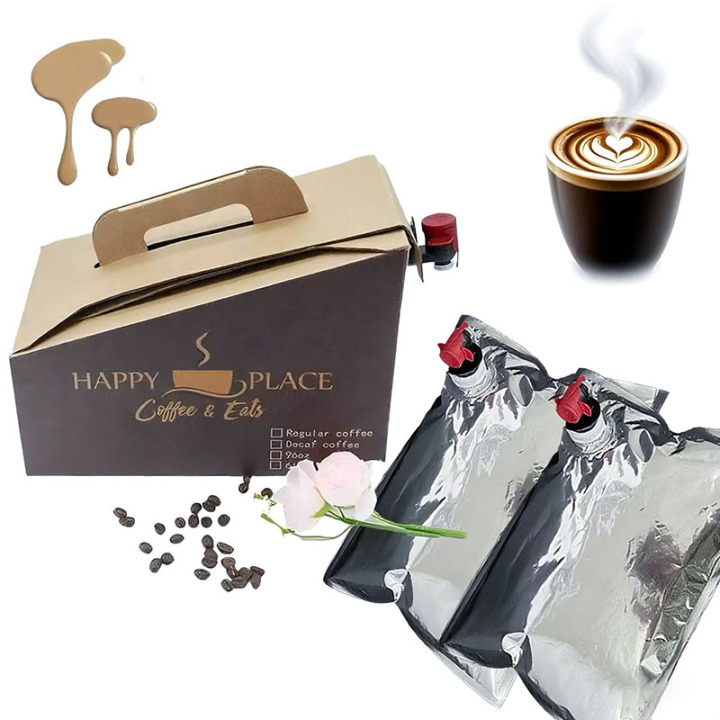
A plain cardboard box doesn't start a timer the moment the tape is cut. Some open-box products have only been pulled out for a visual check, while others have been powered on, paired, updated, and returned after a week of real use. That background matters more than the 'open' label itself.
With electronics, the first month or two tends to reveal most hidden problems. Batteries that were stored at full charge, hinges that were opened too far, ports that were plugged and unplugged repeatedly—these show up as faster drain, looser movement, or intermittent connections. Items with simpler mechanics, like cast-iron pans or hand drills, usually wear on a timeline that has little to do with the box.
If the item arrives clean, completes a full charge and a stress run without hiccups, and survives the return period, it will likely last about as long as a sealed version. The box only tells you the item was opened; the condition in front of you tells you the rest.
Can You Taste the Difference Before You Commit?
Yes, but only if you actually compare. Most of the time, the difference is either obvious in the first taste or it is not there at all. Give it a fair shot: same water, same temperature, same amount of attention. If one option still stands out, that is your answer.
You do not need special training to notice quality. Let two cups cool slightly and go back and forth. Acidity, sweetness, finish. They either hold up or fall flat. When something is genuinely better, your palate usually knows before your brain has time to justify the price.
That is why small trial batches make sense. You should not have to subscribe or buy a full case just to find out if a product earns a place in your routine. Taste first, decide second. If the difference is real, committing becomes easy.
What Happens When the Lunch Rush Hits Hard?
The first sign is usually sound: the ticket printer stops spitting out single orders and starts running in long, unbroken ribbons. Fryer baskets drop, the pass gets crowded with plates, and the polite rhythm of a normal service turns into something closer to a relay race. Front-of-house staff start doubling up tables in their section, drink orders stack behind food orders, and the host has to make quick judgments about wait times while a line forms at the door.
On the line, everyone narrows their focus. The expo becomes the only voice that matters, calling out changes and firing courses. Cooks stop moving around each other and start moving in tight, almost choreographed loops. Prep that looked generous an hour ago disappears fast, so someone gets pulled to restock, rethermalize, or break down a new pan of something while the grill keeps going. Small mistakes—a missed modifier, a dropped ramekin, a burger plated a touch too late—ripple outward, because there is no spare second to correct them.
What separates a rough rush from a complete meltdown is how the crew handles those first ten minutes. If the team resets the pass, calls out low stock before it becomes an emergency, and keeps calm enough to plate consistently, the rush becomes a grind they can survive. The energy stays high, but the movements stay controlled. When the last ticket finally hangs and the printer goes quiet, the kitchen exhales, wipes down, and starts prepping for the next wave before anyone has time to celebrate.
Is the Box Ready for Your Dispensing Setup?
Before anything gets mounted or wired, take a hard look at the box itself. A dispensing setup rarely fails because the pump or valve gives out first—it is usually the enclosure that creates small misalignments, traps heat, or forces you to route tubing in ways that look fine on paper and become a headache once everything is live. If the cutouts do not match your fittings, or the lid leaves no room for a gloved hand to reach the regulator, the box is not ready no matter how sturdy it feels.
Clearance is not just about fitting components inside; it is about what happens when you have to adjust pressure mid-run or swap a cartridge under less than ideal lighting. A ready box gives you enough internal slack for tubing bends, keeps the control side accessible without a tool, and lets you see the fluid path without pulling everything apart. If you have to unbolt the panel just to check a leak, the setup will fight you every time.
Also pay attention to how the box handles real-world mess. Dispensing fluids drip, splash, or wick into gaps. A box that traps spilled material in seams or has no drain path becomes a maintenance problem after the first shift. Sealed edges, a slight downward slope near the base, and a surface that does not react with the fluid all matter more than a clean CAD render would suggest.
Where Does the Real Cost Per Cup Land?
Most back-of-the-napkin estimates stop at beans and water, but the actual cost per cup tends to settle somewhere less obvious. A single espresso might carry only fifteen to thirty cents in coffee, yet the real figure climbs once you account for grinder wear, filter replacement, machine maintenance, and the shot that gets dialed in and dumped. Those small losses rarely show up in a recipe, but they appear in every monthly ledger.
Milk-based drinks distort the picture further. In a standard flat white or latte, dairy or oat milk often costs more than the coffee itself, and the cup, lid, and labor can quietly outpace both. If you are comparing home brewing with a café, the difference is rarely about the coffee alone; it is about who absorbs the cost of rent, training, waste, and the five minutes it takes to steam milk properly.
That is why a single number is misleading. Roast level, batch size, water chemistry, and drink complexity all move the final cost by a wide margin. A hand-brewed filter coffee at home may land under fifty cents, while a large specialty latte in a high-rent neighborhood can carry a fully loaded cost closer to two or three dollars before anyone takes a profit. The honest answer is not a fixed point but a range, and it shifts with every variable you choose to count.
FAQ
Start with the bag's oxygen barrier and the fill process. A multi-layer film with a tight seal keeps out air that dulls flavor, and a supplier that fills cold brew cold—not after pasteurization sitting around—preserves the brighter notes. Ask to see tear-down samples and check whether the tap fitment is pre-installed or left to you.
Concentrate usually gives you more flexibility behind the bar: you can adjust strength for iced drinks, cocktails, or nitro. Ready-to-drink saves time when you just want to pour and go. Look at your peak-hour workflow. If your team already measures syrups and milks, concentrate is easy. If speed is everything, ready-to-drink may be safer.
A 2.5-gallon box often hits the sweet spot for a café doing 30 to 60 cold brew drinks a day. Larger 5-gallon boxes may look cheaper per ounce, but once opened, the clock starts ticking. If you can't empty it within about a week and a half, you'll throw away profit. Match the box to your real weekly velocity, not your best weekend.
Ask how the boxes are packed and whether the bag is tested for drops and vibration. A good BIB has a sturdy outer carton and a bag that can flex without pinholes at the corners. If the supplier ships on pallets with corner boards and doesn't overstuff the boxes, that's a sign they care about your receiving dock, not just the warehouse shelf.
Shelf-stable before opening means you can store unopened boxes in a dry pantry and free up cold storage for milk and produce. After opening, most need refrigeration and should be used within a defined window. Clarify both the unopened shelf life and the opened use window, because the second number has a bigger impact on daily operations.
If you're putting the box under a counter and running a faucet or nitro tap, you'll want a low-profile bag that drains evenly and a connector that matches your equipment. If you're using a simple tap on the box, check the fitment orientation. The best bag won't help if it doesn't connect cleanly to the way you actually serve.
Ask for extraction time and temperature, not just bean origin. A shorter, cooler steep often tastes sweeter and cleaner, while a long steep can get woody or harsh. Also ask if they blend specifically for cold brew or just repackage hot coffee. Blends built for cold extraction tend to hold up better after the box is opened.
Conclusion
Start by ignoring the front of the box. The only thing that matters is what actually reaches the cup, so request samples from the exact bag or box you would receive and run them through your own water, ice, and dispensing ratio. A concentrate can taste balanced at a distributor demo and turn flat or harsh once it gets diluted in your shop. Pay close attention to body, acidity, and whether the liquid pours clean or leaves sediment behind, because sediment means extra cleaning and inconsistent flavor. Once you open the box, you are also racing the clock. Ask how long the product stays fresh after opening and whether that answer changes under a busy counter’s start-stop refrigeration. If the supplier cannot give you a clear window, assume the worst.
Then put the bag under actual rush-hour pressure. A box that feels fine during a slow morning can become a problem when someone has to swap a half-empty bag one-handed while tickets pile up, so check that the connector fits your existing tap or pump without adapters, leaks, or awkward angles. Count how many cups you realistically get per box after spills, over-pours, and the last hard-to-reach inch of concentrate, because the real cost per cup lives in those leftovers. A lower case price means nothing if you are throwing away eight percent of every bag or spending extra labor on cleanup. Pick the option that holds its flavor, fits your setup, and gives you a true cup count you can plan a margin around.
Contact Us
Contact Person: Cindy Lee
Email: [email protected]
Tel/WhatsApp: 8613622669331
Website: https://www.dgkody.com