

High Quality Stand Up Pouch with Valve: The Ultimate Packaging Solution
2026-08-14
Ever struggled with packaging that fails to keep contents fresh or makes dispensing a hassle? The high-quality stand up pouch with valve changes everything—and when it's crafted by Kody, you get more than just a bag; you get the ultimate packaging solution. From one-way degassing valves that preserve aroma and extend shelf life to durable, stand-up design that looks great on shelves, this pouch is engineered to outperform. In this post, we'll unpack what makes it the smart choice for modern brands—and why your product deserves nothing less.
Why a Sturdy Pouch Beats the Usual Bags and Boxes
Most packaging falls into two camps: flimsy bags that tear open with a sharp corner, or clunky boxes that eat up shelf space and weigh down your bag. A sturdy pouch refuses both compromises. It stands on its own, shrugs off rough treatment, and keeps odd-shaped items from poking through—yet it still folds nearly flat when empty. That blend of toughness and flexibility is why you reach for it again instead of hunting for tape or a replacement.
Think about the last time you traveled with cables, chargers, or a small tool kit. A cardboard box would crush after one trip, and a thin plastic bag would split at the seams. A well-made pouch, on the other hand, moulds itself to the contents, fits into tight corners of a backpack, and comes out looking the same as day one. You save the frustration of repacking, and you stop treating packaging as disposable.
Beyond convenience, there’s a quiet satisfaction in using one reliable container for months instead of cycling through boxes and bags. It protects your gear from dust and knocks, doubles as a tidy organizer on a desk or in a drawer, and never forces you to cram things back into a shape they don’t fit. Over time, that sturdy pouch pays for itself in avoided breakage and avoided clutter.
What That Little Valve Does for Freshness and Shelf Life
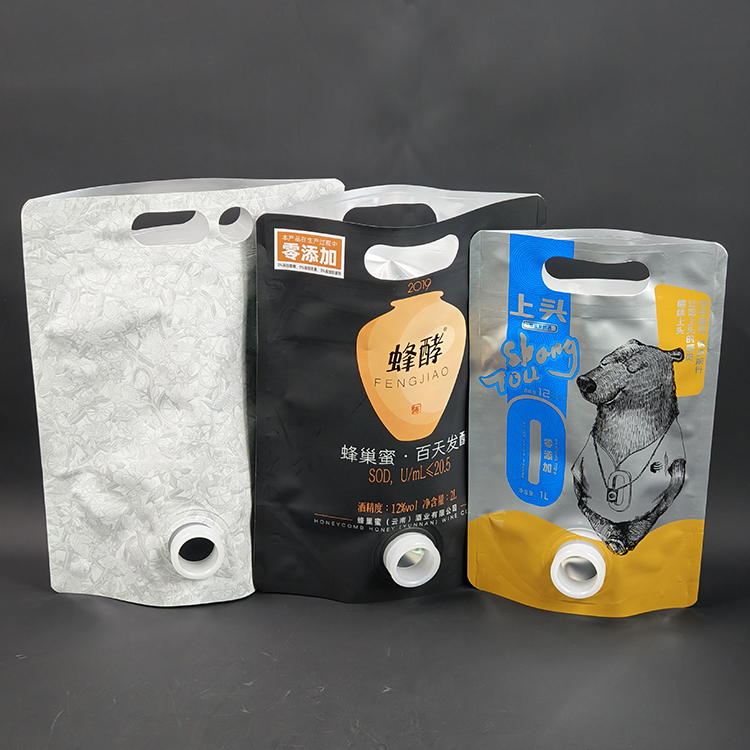
You know that round plastic thing on the front of a coffee bag? It's not decoration. Freshly roasted beans give off carbon dioxide for days—sometimes weeks—after roasting. If the gas has nowhere to go, the bag puffs up like a balloon and can even split open at the seams. That little valve gives the gas an escape route, keeping the package intact and the beans from getting crushed under pressure.
The real magic, though, is what the valve doesn't let in. It's a one-way door: carbon dioxide pushes its way out, but outside air can't sneak back inside. Oxygen is the fastest way to flatten a good coffee, turning bright, fruity notes into stale cardboard. Moisture is just as bad, inviting mold and softening the beans. By venting only outward, the valve locks the bag's internal atmosphere in a protective bubble that holds freshness far longer than a fully sealed pouch ever could.
Think of it as a silent bouncer for your beans. It lets the rowdy gas leave quietly and blocks the troublemakers at the door. That's why valve bags don't need rigid canisters or freezer space to keep coffee tasting lively. It's a small part—often overlooked—but it quietly extends shelf life and saves you from brewing disappointment.
A Shape That Stays Upright Instead of Slouching on the Shelf
The base isn't simply wide; it's weighted to make the whole form feel planted. Most objects lean or tip the moment you take your hand away, but this one settles back into position as if it remembers where it belongs. No shelf bowing, no awkward gaps between neighbors.
The silhouette plays a part too. A slightly tapered lower half and a low center of gravity help it shrug off the usual nudge from a pulled book or a passing elbow. Slide it between a row of paperbacks and it stays vertical—no silent slump by the end of the week.
Even on uneven surfaces, the bottom edge offers just enough traction to hold a straight line. It's the kind of detail you stop noticing after a while, which is exactly the point. The shape does its job without asking for attention.
Tough Materials That Keep Moisture and Oxygen at Bay
A thin film of aluminum oxide, barely visible to the eye, can turn a flimsy plastic pouch into a fortress. When you tear open a bag of dried fruit or a strip of medication, you rarely think about the invisible battle happening at the material's surface. Yet that metallic sheen inside the packaging is doing more than reflecting light—it's blocking water vapor and oxygen molecules that would otherwise turn crisp snacks stale or degrade sensitive pharmaceuticals. These coatings are not just passive layers; they are engineered barriers with nanoscale precision, grown atom by atom under vacuum conditions.
The real challenge lies in making such barriers flexible enough to survive folding, creasing, and repeated handling. Early attempts produced rigid films that cracked at the slightest bend, rendering them useless for anything beyond flat panels. Modern tough materials solve this through a clever stacking technique: alternating layers of inorganic oxides with polymer cushions. The oxide layers act like bricks, stopping gas molecules cold, while the polymers absorb mechanical stress and prevent crack propagation. It's a bit like building a wall out of glass sheets separated by rubber mats—each component compensates for the other's weakness.
Beyond packaging, these moisture and oxygen barriers have found their way into flexible electronics and organic solar cells. A rollable display, for instance, would fail within days if water vapor reached its organic light-emitting diodes. The barrier films used here must achieve transmission rates measured in micrograms per square meter per day—a standard so strict that testing requires specialized equipment to detect even a single molecule slipping through. Manufacturers have learned to treat every defect at the micron level as a potential leak point, driving production into cleanrooms where a speck of dust could sabotage an entire batch.
How the Right Pouch Cuts Down on Spills and Waste
A well-designed pouch does more than hold your product—it actively prevents the mess that comes from accidental openings, weak seals, or awkward pouring. When the spout is positioned for a smooth, controlled flow and the closure snaps back tightly after each use, you avoid the slow drips that stain shelves and the sudden glugs that send powder or liquid flying. The result is less cleanup, fewer ruined batches, and a workspace that stays tidy without extra effort.
The real difference shows up in the corners and seams. Cheap pouches often tear at the fold or leave a thin gap where air and moisture sneak in, turning a full bag into a clumpy, unusable block. A right pouch uses reinforced gussets and a precision heat seal that keeps every last gram inside until you choose to release it. That means you scoop out exactly what you need, nothing sticks to the sides, and you’re not tossing out half-empty packages that went stale or spilled in transit.
Think about the small rituals: opening, pouring, resealing, storing. Each step is a chance for waste to happen. By choosing a pouch with a stable base, a tear notch that actually works, and a zip lock that aligns without fighting you, every use becomes clean and complete. You stop reaching for paper towels, stop double-bagging leftovers, and stop buying extra product just to compensate for what gets lost. Fewer spills, zero waste—it’s simply a better way to move through your day.
Where These Pouches Actually Fit Into Your Product Line
These pouches aren't a replacement for your core packaging—they're a strategic add-on that sits between your standard offerings and the premium tier. Think of them as the flexible middle option that lets customers upgrade without jumping to a full custom box. If you already offer flat pouches or basic stand-up pouches, this line slots in as the next step for brands wanting better barrier protection or a more refined shelf presence.
In practice, they work best when paired with seasonal collections, limited-edition runs, or travel-sized product lines. For example, if your main SKU is a large jar or bottle, these pouches can serve as the refill format or a sample-friendly size that doesn't cannibalize your existing sales. They also fill gaps in categories where rigidity isn't needed—think powders, dried goods, or single-serve supplements—giving you a lighter-weight option that still carries your full branding.
The real fit emerges when you map your current lineup against customer usage moments. A pouch here should answer a specific need that your boxes or rigid containers can't: portability, reduced storage space, or a lower price point for trial. If you place them without that logic, they become just another SKU. But when slotted deliberately, they extend your line's reach without forcing a redesign of your best sellers.
FAQ
Rigid containers are heavy and take up shelf space; these pouches collapse as they empty, ship flat, and the valve lets consumers squeeze out air or dispense product without making a mess. It feels more modern on the shelf too.
The valve usually works one-way, letting excess air escape after filling or letting consumers press out air before sealing. For dry goods like coffee, it means aromas stay in while CO2 vents, so the bag doesn't balloon.
Anything that needs to be fully inverted and scraped out, like thick pastes, can be frustrating because the valve area might trap product. Also very low-viscosity liquids can leak if the valve isn't designed with a liquid-tight membrane.
Freshly roasted coffee releases CO2. If the bag has no valve, it can puff up or even burst. The one-way valve vents that gas without letting oxygen in, so the beans stay fresh longer without a rigid canister.
Some can, but it depends on the film structure and valve adhesive. High-quality versions use heat-resistant valves and films that tolerate 80–90°C, but you should test with your product because not all suppliers design for hot fill.
Check the valve weld—there should be no gaps or wrinkles around the base. Flex the empty pouch and look for pinholes. Ask for a drop test and a seal strength report. A cheap valve can pop off after repeated squeezing.
Yes, usually by 10–20% depending on valve type and order volume. But the reduction in damaged goods and the premium look can offset that cost, especially for coffee, pet food, or supplements.
Most conventional valve pouches are multi-layer laminates with a plastic valve, so curbside recycling is limited. However, some suppliers now offer mono-material PE pouches with PE valves that fit polyethylene recycling streams. Compostable versions exist but valve performance at high humidity can be tricky.
Conclusion
A high-quality stand up pouch with a valve outperforms standard bags and rigid boxes in ways that show up the moment it reaches the shelf. Instead of folding over or collapsing, the pouch keeps its upright shape, giving the product a clean, front-facing presence that customers can actually see. The multi-layer film is tough enough to shrug off punctures and moisture, while the one-way valve lets internal gases escape without letting oxygen creep back in. That combination keeps coffee beans, powders, snacks, and other dry goods fresher for longer, with less risk of stale flavors or clumping.
Because the pouch stands on its own and seals tightly, there is far less mess from spills or torn corners. It also ships flat before filling, saving space compared to boxes and jars, yet it still feels substantial in the hand. The valve adds real functional value for products that release gas after packaging, like freshly roasted coffee or fermented foods. Whether you are adding a new line of granola, protein powder, pet treats, or specialty tea, this style of pouch fits naturally into the workflow and the shelf set. It protects the contents, reduces waste, and makes the whole package easier to store, open, and reseal between uses. The result is a packaging choice that feels less like a compromise and more like an upgrade for both the brand and the buyer.
Contact Us
Contact Person: Cindy Lee
Email: [email protected]
Tel/WhatsApp: 8613622669331
Website: https://www.dgkody.com