

Fresh-Air Dehumidification All-in-One Unit Supplier Questions to Ask Before Buying
2026-11-16
When buying a fresh-air dehumidification all-in-one unit, most people focus on specs like CFM or pints per day—but the supplier's track record can make or break your project. Will they stand behind the warranty? Can they provide real-world performance data? At ROTER, we've seen too many buyers regret skipping these checks. This post lays out the key questions to ask any supplier before you sign, so you get a unit that actually performs.
Dig into the supplier’s manufacturing track record
A supplier's glossy brochure and ISO certificates tell you very little about whether they can actually build your product at scale without hiccups. I always start by asking for a list of three to five customers whose orders resemble ours in complexity and volume, then I call those references and ask very specific questions: how often shipments arrived late in the past year, what happened when a quality issue surfaced, and whether the supplier ever pushed back on a design change because it would disrupt their line. You'd be surprised how many "reliable" factories fall apart on the third follow-up question.
Beyond references, dig into the raw production data. Ask for monthly output for the last six or eight quarters, not just total capacity. Look for patterns: does output dip in certain months due to labor shortages or holidays? How do they handle rework? What percentage of orders required a second inspection before shipping? If a factory claims a 99.5% on-time delivery rate, ask them to show the spreadsheet with the actual counts—many will hand you a marketing slide instead. The ones that share messy, unfiltered data are usually the ones you can trust.
Finally, visit the floor if you can, or have a local agent do an unannounced walk-through. Watch how line workers handle a defect: do they stop the line, tag the part, and log it, or do they quietly set it aside and keep moving? Check the age and maintenance of key equipment, and ask the production manager how often they calibrate their measurement tools. A factory that has been making the same product category for a decade but still runs weekly calibration checks is a factory that respects repeatability. That's the kind of track record you want behind your order.
Check which compressor and fan brands they actually install
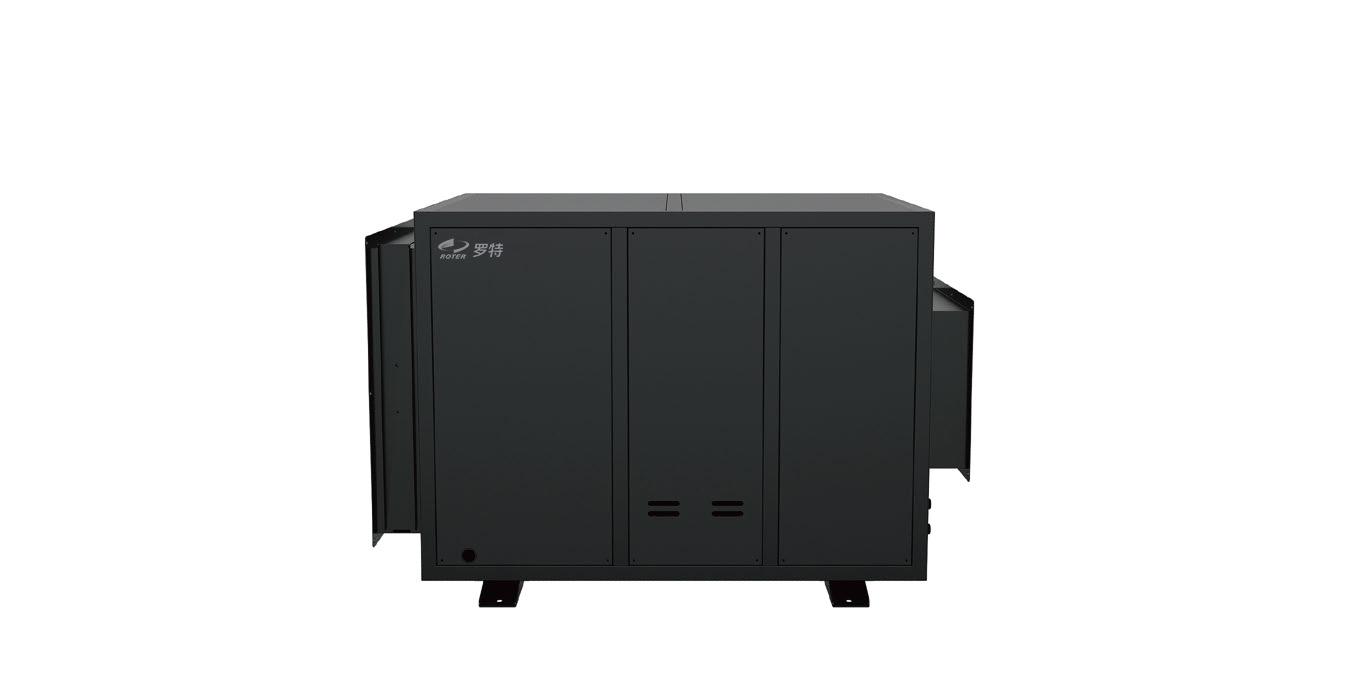
Sales reps love tossing around phrases like "top-tier components" or "commercial-grade parts," but those words mean nothing until you see a specific brand name on the invoice. Ask them point-blank: which compressor and fan are going inside this unit? If they hesitate, dodge the question, or say something generic like "it varies by shipment," that's a red flag. A straight answer sounds more like "Copeland scroll compressor and an EBM-Papst fan" — not just "a reliable compressor."
The compressor is the heart of the system, and the fan keeps it from overheating. Different brands have wildly different track records for noise, vibration, longevity, and even how easy it is to find replacement parts five years down the road. A unit with an off-brand compressor might cool fine on day one, but you'll feel the difference after two summers when the bearings start whining or the fan motor gives out. That's why seasoned buyers push for brands with known service networks and published reliability data.
Don't settle for a verbal promise — get the exact brand and model numbers written into your contract or proposal. Then take five minutes to look up those part numbers on the manufacturer's site or an independent HVAC forum. You'll quickly see which combinations earn praise from technicians and which ones end up in complaint threads. If the installer refuses to put the brands in writing, assume they're planning to use whatever is cheapest on the truck that week.
Ask how they measure real dehumidification output
Manufacturers love to slap impressive pint-per-day numbers on the box, but those figures often come from lab conditions that have little to do with your damp basement or musty laundry room. Before you trust the spec sheet, ask how the company actually arrived at that rating. A reputable brand won't hesitate to explain whether the test ran at 80°F and 60% relative humidity, or if it used a colder, more realistic crawlspace setting. The answer tells you a lot about how the unit will perform once it's plugged in at your place.
Dig a little deeper and ask if the output was verified under the AHAM DH-1 standard or some in-house protocol. Some manufacturers quote ideal saturation numbers, while others publish results from continuous operation at lower temperatures where coils can frost over and efficiency drops. Listen for specifics, not vague claims. If they can't give you the test temperature, humidity level, and duration without flipping through a manual, that dehumidifier's real-world capacity is probably a mystery even to them.
Finally, ask whether the stated pints per day reflect moisture removed over a full 24-hour cycle or just a short burst at peak conditions. Dehumidifiers cycle on and off, and the compressor often needs time to warm up before it hits its stride. A unit rated at 50 pints might pull only half that in a cool, 50-degree cellar. Getting clear answers on measurement method will save you from hauling home a machine that looks powerful on paper but can't keep up with your actual space.
Pin down noise levels across all operating modes
Getting a handle on how loud a machine gets means measuring it in every state it can be in, not just at full tilt. A device might whisper in standby, hum under light load, and roar when pushed hard. If you only test the headline number, you miss the modes where users actually spend most of their time.
Start by mapping out each distinct operating condition: idle, low, medium, high, and any transient peaks like spin-up or cooldown. Run each mode long enough for temperatures and fan speeds to settle, then take multiple readings at a fixed distance and height. Averaging these gives a realistic profile instead of a cherry-picked best case.
Once you have per-mode data, compare it against what the product is meant for. A 35 dB idle on a desktop tower may be fine, but the same level in a quiet studio monitor would be a dealbreaker. Pin down not just the numbers but the pattern of change between modes — sudden jumps often bother users more than a steady, slightly higher baseline.
Clarify warranty coverage and spare part availability
Ask for the warranty terms in writing before you sign anything. A credible supplier will name the exact components covered, the length of coverage, and the conditions that void it. Watch for clauses that quietly exclude wear parts, consumables, or labor—those can turn a five-year warranty into a much smaller promise than the headline suggests.
Spare part availability is a separate question from warranty coverage. Find out how long the manufacturer commits to stocking critical components after the model is discontinued, and what typical lead times look like for parts that are not kept locally. If you run a production line, a two-week wait for a drive belt can cost more than the machine itself.
Also ask whether spare parts can be purchased directly or only through authorized dealers, and whether there are regional stockpiles near your site. A supplier who can point to a real inventory system—not just a promise—will save you from downtime later.
Request references from completed installations
The most convincing reference often comes from someone who has already lived with the finished work for a few months. Rather than asking for a favor right after the final walkthrough, circle back when the initial excitement has settled and the system or structure has proven itself through daily use. A short, specific email or call at that point tends to yield a more thoughtful response—one that mentions real performance, unexpected benefits, or how the team handled a small hiccup along the way.
When you do ask, make it easy for the client to say yes. Offer to draft a few lines based on your own notes from the project, then let them edit or add their own voice. This removes the pressure of staring at a blank page and often leads to a reference that feels grounded instead of promotional. Ask for permission to share their name, neighborhood, or project photos, and be clear about where the reference might appear—whether that's in a private portfolio, a printed handout, or a conversation with a future customer.
Finally, keep a simple record of which installations have generated the strongest feedback and why. Patterns will emerge: perhaps customers consistently mention the crew's cleanup routine, the clarity of the upfront quote, or the way the design avoided a common pitfall. Use those details when shaping your request for future references. A request tailored to the specific strengths of a completed job—not a generic "would you recommend us?"—almost always brings back an answer worth sharing.
FAQ
Ask for a performance curve rather than a single rated point. Many units lose moisture removal sharply as incoming air gets colder, so you want to see pints or liters per day at, say, 41°F and 50°F, plus the corresponding airflow in CFM or m³/h. A solid supplier will share test data instead of just repeating a summer rating.
Expect at least a washable pre-filter and a MERV 8 or higher main filter, with optional HEPA or activated carbon stages. Replacement intervals should be given in hours of operation, not vague months. In dusty conditions, a pre-filter may need cleaning every two to four weeks, and the main filter every three to six months. Ask for per-filter pricing up front.
The answer should include overall height, width, depth, duct collar sizes, and minimum clearance on the access side for filter changes and coil cleaning. Weight matters if you are hanging the unit from a ceiling or placing it in an attic. A good supplier will provide a dimensional drawing with clearances, not just a product photo.
If you are integrating into a larger system, ask which protocols are built in and whether any gateway or extra module is needed. Also check if the on-board controller lets you set independent humidity and CO₂ setpoints, and whether you can schedule ventilation separately from dehumidification. A demo of the control app or panel often reveals how clunky or useful the interface really is.
Request dB(A) figures measured at one meter from the unit, not just a single best-case number. Higher airflow for ventilation can push noise above 50 dB(A), which matters in bedrooms or offices. Ask if there is a night mode that lowers fan speed automatically and whether the compressor has a sound blanket or isolated mounting.
Look beyond nominal wattage. Ask for power consumption at several operating points, including cold-weather dehumidification and maximum airflow. If the unit offers enthalpy or sensible heat recovery, compare the added cost against the expected reduction in heating or cooling load. A supplier should be able to estimate annual energy use for your local climate.
A strong answer names the compressor brand, the warranty period for sealed system parts, and the coverage for electrical components. Ask about local service partners, average response time, and whether replacement parts are stocked in your country. A long warranty means little if a failed control board takes eight weeks to arrive.
Ask whether the supplier can provide 208/230V or 115V versions, switch duct connections from side to top, or apply anti-corrosion coatings to coils and cabinet. For coastal or industrial settings, a standard painted steel cabinet may fail within a few years, so request details on materials and any salt-spray test ratings.
Conclusion
Before you commit to a fresh-air dehumidification all-in-one unit, spend real time on the supplier's production history. It's not enough to hear that they've been in business; ask how many units they've shipped, which facilities or regions they've served, and whether their manufacturing line has changed hands recently. The next thing that trips people up is hardware. Many vendors assemble units with whatever compressor and fan they can get cheaply that quarter, so pin them down on the exact brands and models going into your order. If they hesitate or say 'equivalent quality,' move on. You also need a straight answer on how they measure dehumidification output. Some suppliers quote capacity at unrealistic inlet conditions or airflow rates that won't exist in your building. Request the test standard, the air volume, and the entering temperature and humidity used for their rating. Without that, comparing one unit to another is meaningless.
Noise is another area where glossy brochures hide the truth. Ask for sound pressure or sound power data in every operating mode, not just the lowest fan speed. A unit that is quiet at 30% airflow but roars during full fresh-air exchange will cause complaints in bedrooms or offices. Warranties deserve the same scrutiny. Get the exact coverage period for the compressor, the fan motor, the heat exchanger, and the control board, then ask how quickly they can ship a replacement part to your city. Finally, ask for contact information from at least three completed installations similar to yours. Call those owners and ask about startup support, long-term reliability, and whether the supplier stood behind the unit when something failed. The answers to these questions will tell you more than any spec sheet.
Contact Us
Contact Person: Rhea
Email: [email protected]
Tel/WhatsApp: +8618800560886
Website: https://www.rotorairtech.com