

Fresh-Air Dehumidification All-in-One Unit Manufacturer Explains How to Improve Home Air Quality
2026-11-16
Indoor air can be up to five times more polluted than outdoor air—yet most homes still rely on stale, moisture-laden ventilation. That’s where fresh-air dehumidification all-in-one units come in. ROTER, a manufacturer specializing in these systems, breaks down practical ways to improve home air quality without sacrificing comfort.
The Overlooked Link Between Humidity and Comfort
Most people reach for the thermostat when a room feels stuffy, but the real culprit often hides in the air itself. Humidity plays a quiet, powerful role in how we experience temperature. High moisture levels make warm air feel heavier and stickier, while dry air can leave skin tight and throats scratchy even at a comfortable 72 degrees. It’s not just about heat—it’s about how efficiently your body can cool itself through evaporation. When the air is saturated, sweat lingers on your skin, and your natural cooling system grinds to a halt.
The sweet spot for indoor comfort typically falls between 30% and 50% relative humidity. Below that range, you might notice static shocks, cracked wood furniture, or a nagging cough that won’t go away. Above it, you’re inviting mold, dust mites, and that clammy sensation that makes even a short nap feel restless. The problem is that most homes and offices only measure temperature, ignoring the silent partner that can make or break a good night’s sleep. A simple hygrometer—often under ten dollars—can reveal why you keep turning the AC down without ever feeling truly comfortable.
Adjusting humidity doesn’t require a complete HVAC overhaul. In dry climates or winter months, a basic humidifier can restore enough moisture to ease breathing and protect wooden surfaces. In humid regions, a dehumidifier or even improved bathroom and kitchen ventilation can pull excess water from the air, making 78 degrees feel closer to 72. The payoff isn’t just physical comfort—it’s lower energy bills, fewer allergy flare-ups, and a home that feels more welcoming without constant fiddle with the thermostat. Paying attention to the unseen moisture in your rooms is one of the simplest, least discussed upgrades to daily living.
Why Opening Windows Isn't Always the Answer
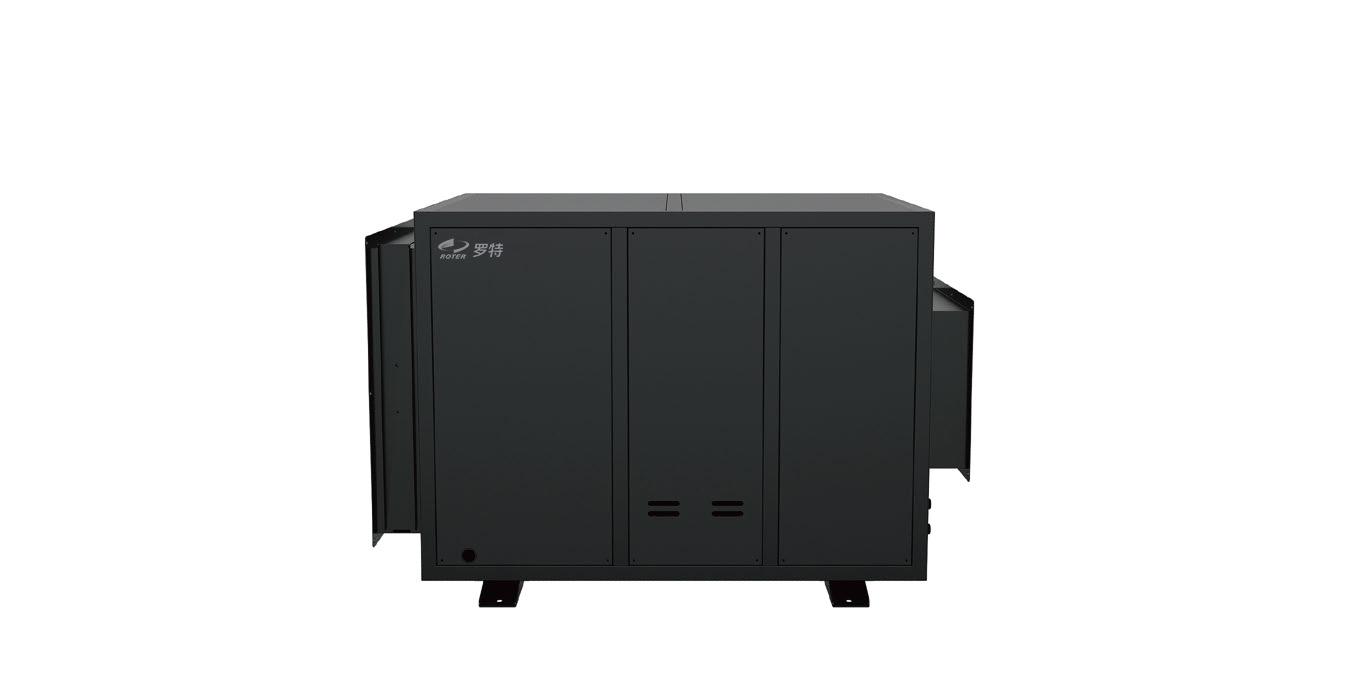
Fresh air feels like an obvious fix for a stuffy room, but outdoor conditions often make open windows a poor choice. On high-pollen days, allergens drift indoors and settle into fabric, triggering sneezing and itchy eyes. Urban areas add another layer: traffic exhaust, industrial dust, and even noise pollution ride the same breeze you hoped would clear the air. If you live near a busy road, those open panes can fill your home with more irritants than they remove.
Humidity also plays a sneaky role. In coastal or rainy climates, open windows invite damp air that encourages mold growth and makes rooms feel sticky. During summer heat waves, outside air may be hotter than your indoor temperature, forcing air conditioners to work harder and raising energy bills. Even on mild days, wind can stir up ground-level particles like soil or construction debris, leaving a fine layer of dust on windowsills and floors.
Security and privacy concerns matter too. Ground-floor or street-facing windows left open create easy access points and expose your daily routines to passersby. For allergy sufferers, asthma patients, or anyone in a noisy neighborhood, the momentary freshness isn't worth the long list of drawbacks. Sometimes the best way to improve indoor air is to keep windows shut and rely on filtered ventilation instead.
Single-Unit Ventilation and Dehumidification Done Right
Combining fresh air intake with moisture removal in a single cabinet sounds simple, but most units get the sequence wrong. The right approach pulls outdoor air through a dedicated filter, conditions it to match indoor dew point, and then blends it with return air only after dehumidification. Otherwise you end up pushing damp air into wall cavities or over-cooling a space just to hit a humidity setpoint.
A well-executed single-unit system monitors both carbon dioxide and relative humidity, not just one or the other. When the house is empty, it can throttle back ventilation and run the compressor only as needed to hold 50% RH. That avoids the constant cycling that wears out compressors and drives up energy bills. Ducting also matters: the supply should go to common areas, with a slight positive pressure so humid outdoor air doesn't get sucked through cracks.
Installers often overlook condensate management on combo units. A properly designed tray with a downward slope and an accessible cleanout prevents standing water and mold growth inside the cabinet. Add a MERV 13 filter on the intake side and the system handles both particulates and moisture without needing separate accessories.
How Tight Home Envelopes Trap More Than Heat
When we seal up a house to keep heating bills down, we often forget that the same barriers holding warm air in also hold everything else. Moisture from showers, cooking, and even breathing has nowhere to go, slowly soaking into drywall and framing. That trapped humidity becomes a breeding ground for mold, and before long the air smells musty no matter how often you open a window for a few minutes.
Beyond moisture, tight envelopes trap volatile organic compounds released by furniture, paint, and cleaning products. In older, draftier homes, those chemicals gradually leaked outside. In a super-insulated house, they accumulate to levels that can irritate eyes and lungs. Even carbon dioxide from occupants builds up faster than people expect, leading to that stuffy, headachy feeling by late afternoon.
The real surprise is how quickly indoor air quality declines without mechanical ventilation. A tight envelope is not the enemy—it is the lack of planned airflow that causes trouble. Builders who ignore this end up with a home that saves energy but costs comfort and health, which is a trade-off most homeowners never signed up for.
Filter Care That Actually Keeps Air Fresh
Most air purifiers don't stop running when the filter gets dirty—they just get louder, weaker, or start pushing stale air around. A quick way to tell is to hold a tissue near the outlet. If it barely flutters, the filter is likely past its prime. For units with a washable pre-filter, rinse it once a month with plain water and let it dry completely before putting it back. That simple step catches hair and dust before they reach the main filter, which can easily double its useful life.
For HEPA and carbon layers, resist the urge to wash them unless the manual specifically says so. Water breaks down the fine fibers and can leave you with a filter that looks clean but no longer traps small particles. Instead, vacuum the surface gently with a soft brush attachment every couple of weeks, working from the dirty side outward. If you notice a musty or sour smell even after vacuuming, the carbon layer has likely absorbed all it can—that's your cue to replace it rather than trying to mask the odor.
Filter life also depends on what's around the machine. Keep the intake at least a foot away from walls and curtains, and wipe down the vents with a dry cloth whenever you see dust building up. Check the door or seal for gaps after cleaning; a loose fit lets unfiltered air bypass the whole system. And if someone in the house starts sneezing more at night or cooking smells hang around longer than usual, don't wait for a reminder light—those are real signs the filter has stopped doing its job.
When Smart Controls Make Air Quality Automatic
Walking into a room that already feels fresh, without touching a single switch, is becoming less of a luxury and more of a quiet expectation. Smart controls now watch for subtle shifts—humidity creeping up, CO₂ building from a long meeting, or outdoor pollen drifting in through an open window—and respond before anyone notices a problem. The system doesn't wait for a manual command; it reads the room and adjusts ventilation, filtration, or air purification on its own.
What makes this feel natural rather than mechanical is the way these controls learn. They track patterns over days and weeks: when the kitchen gets busy, when bedrooms need cooler, drier air for sleep, when occupancy drops and airflow can be scaled back. Instead of running on fixed schedules, the system builds a quiet rhythm that matches real life. If a surprise happens—a burst of cooking smoke or a sudden spike in outdoor particulates—it reacts in seconds, then settles back into its learned baseline without prompting.
The payoff is less about flashy technology and more about mental space. People stop thinking about air quality the way they don't think about water pressure or electricity—it's simply there, at the right level, all the time. That shift from constant adjustment to automatic comfort changes how a space feels: less fuss, fewer interruptions, and a background sense of ease that you only notice when you leave it behind.
FAQ
It combines three jobs into one cabinet: pulling in filtered outdoor air, removing excess moisture, and exhausting stale indoor air. Separate devices often fight each other because a dehumidifier recirculates the same damp air while an air purifier only cleans what's already inside. This unit creates a steady exchange so you're not just drying and filtering the same stale pocket over and over.
The key is the filtration stage. The unit draws outdoor air through a series of filters—typically a coarse pre-filter for dust and insects, a fine particle filter, and sometimes an activated carbon layer for odors and fumes. So you get the benefit of dilution: indoor pollutants like formaldehyde from furniture, cooking residue, and excess CO2 are pushed out, while the incoming air is cleaned before it reaches your living space.
Yes, that's one of the most common applications. Basements tend to have very little air movement and high humidity, which feeds mold and mildew. By continuously exchanging air and keeping relative humidity in the 45–55% range, the musty smell usually disappears within a week or two. You also avoid the constant emptying of a portable dehumidifier bucket.
Filter replacement is the big one. Depending on your local air quality and how many hours a day you run it, filters need changing every three to six months. The condensate drain line should be checked for clogs once a season, and the outdoor intake grille needs a quick visual inspection for leaves or snow blockage. Beyond that, the internal fan and compressor are sealed and typically don't need routine service.
You'll want to match the unit's airflow rate—usually measured in cubic feet per minute, or CFM—to your home's square footage and the number of bedrooms. A common rule of thumb is to exchange the full air volume every two to three hours. For a typical 2,000-square-foot home with eight-foot ceilings, that often means something in the 150–250 CFM range. Local building codes or an HVAC technician can also give you a precise calculation.
Actually, that's where it shines. Newer homes are built very tight for energy efficiency, which traps humidity, cooking smells, and off-gassing from building materials. This unit provides the mechanical ventilation those homes lack, without losing as much heat or cooling as opening a window because many models include an energy recovery core.
Persistent condensation on windows, a damp or musty smell that doesn't go away after cleaning, family members waking up with stuffy noses or headaches that improve when they leave the house, and visible mold spots in corners or closets. High indoor CO2 can also make people feel drowsy or unfocused, even if you can't smell it.
Conclusion
Most people only notice humidity when it turns into visible condensation or that clammy feeling on a summer afternoon. But the link between moisture and everyday comfort goes much deeper. A home can be spotless and still feel heavy or stale if relative humidity creeps above 60%. Opening a window seems like an obvious fix, yet outdoor air often carries its own load of pollen, exhaust, or even more humidity—especially after rain or during peak allergy season. In tightly sealed modern homes, the problem compounds. Those energy-efficient envelopes trap cooking steam, shower vapor, and breathing moisture just as effectively as they hold in heat. Without a deliberate path for that damp air to leave, you end up with a space that's warm but vaguely oppressive, and that's before you think about mold or dust mites thriving in hidden corners.
This is where a fresh-air dehumidification all-in-one unit changes the equation. Instead of relying on random window drafts or a portable gadget in one room, a single properly sized system pulls in filtered outdoor air, strips out excess moisture, and delivers it evenly through existing ductwork. The result is a steady turnover that keeps CO2 levels down and prevents that closed-up feeling. Filter care matters more than people expect—a clogged filter turns the unit into a whisper-quiet recirculator rather than a true ventilator. Smart controls add the final layer by reading indoor humidity and occupancy patterns, then ramping up ventilation only when needed. A bathroom shower or a full house during the holidays no longer means manually fiddling with settings. The house simply adjusts, keeping the air fresh, dry, and comfortable without anyone having to think about it.
Contact Us
Contact Person: Rhea
Email: [email protected]
Tel/WhatsApp: +8618800560886
Website: https://www.rotorairtech.com