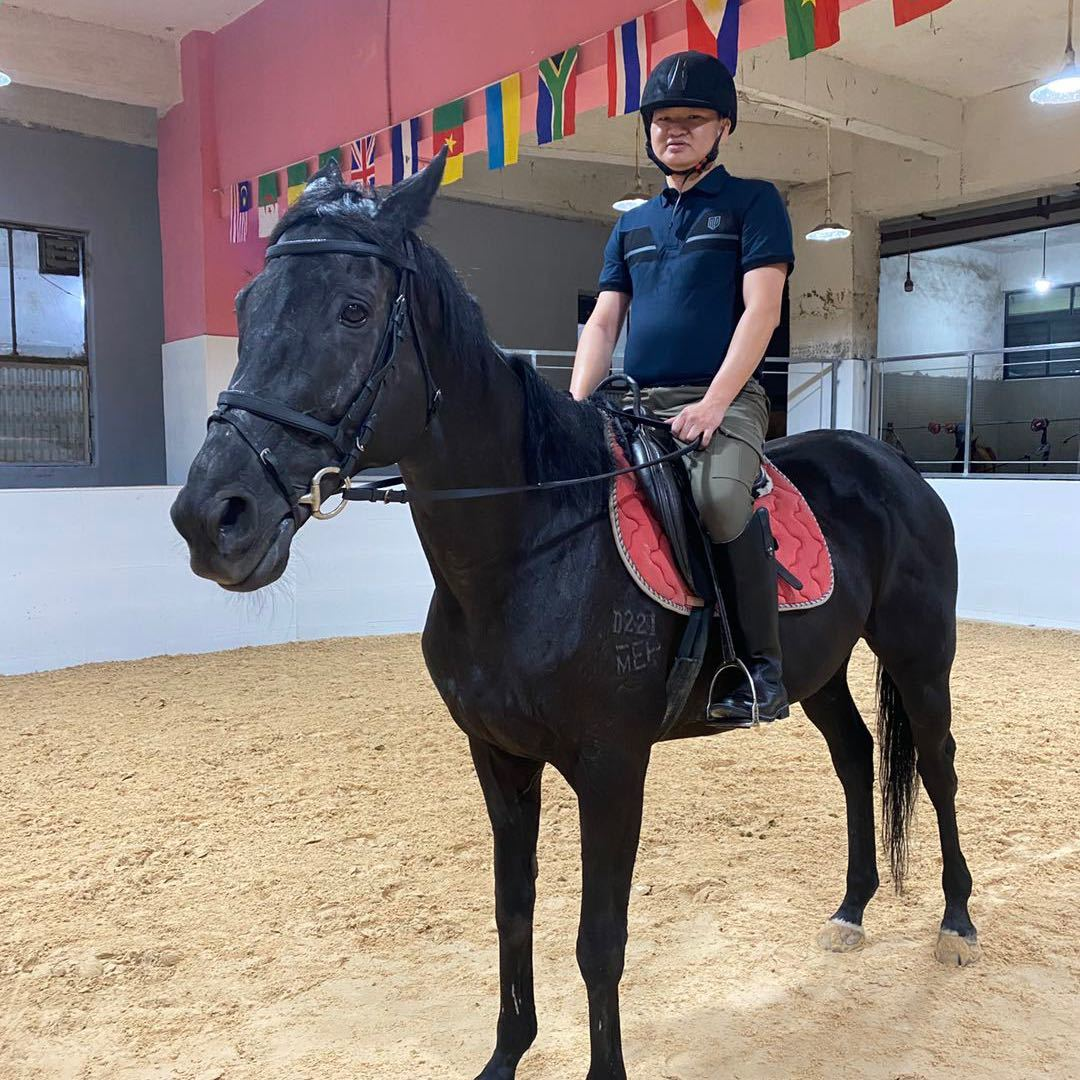

Equestrian Breeches Export Strategies for Global Market Success
2026-08-28
Navigating the global equestrian apparel market is no easy feat—especially when it comes to breeches, where fit, fabric, and brand trust decide your export fate. At OpeEquestrian, we've seen too many manufacturers stumble over hidden tariff hurdles, sizing standards, and shifting rider preferences. This guide uncovers the strategies that actually move inventory across borders, from leveraging niche certifications to building a dealer network that sticks. Ready to turn your breeches into a global bestseller? Read on.
Spotting the Next Equestrian Hotspot: Where Global Demand Is Galloping
Equestrian sport has long been viewed as a traditional stronghold of Europe and North America, but the landscape is shifting rapidly. From desert equestrian centers in Dubai to indoor arenas in Shanghai, the global appetite for riding, training, and competing is no longer confined to a handful of nations. This transformation isn’t accidental — rising disposable incomes, evolving travel patterns, and the viral spread of equestrian content on social media have collectively pushed the sport into new geographical territories.
Asia stands out as the most dramatic example of this surge. In China, middle-class families increasingly view equestrian skills as a way to instill discipline and grace in children, and the number of riding clubs has nearly doubled in the past five years. Meanwhile, massive investments in the Middle East have produced world-class events and training facilities that attract top riders and competitions. Latin America is not far behind: Argentina and Brazil are redirecting their horse breeding industries toward high-performance sport horses, catering to both domestic and export demand.
Spotting the next hotspot requires attention to a few telling signals: accelerated infrastructure construction, a growing number of local competitions, and the emergence of young riders on the international stage. Investors and enthusiasts should watch for regions that are incorporating equestrian activities into school physical education or urban leisure planning. When a destination begins offering dedicated equestrian tourism itineraries, or local brands start sponsoring equestrian events, it often signals that demand has built sustainable momentum. The window for observation and action is wide open right now.
Cutting Through the Herd: Product Details That Make Your Breeches Unskippable
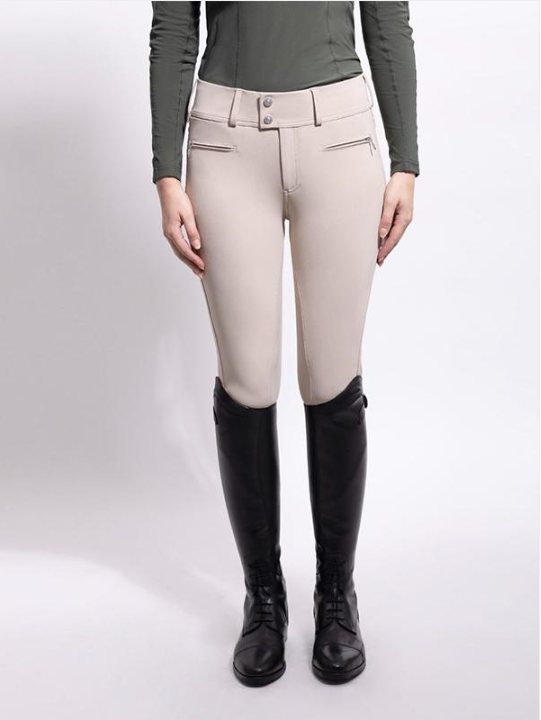
Most breeches blur into a sea of sameness—same silhouette, same silicone pattern, same forgettable feel. What actually stops a rider mid-scroll is a detail that solves a real annoyance: a waistband that stays put during sitting trot, a phone pocket angled so it doesn't jab your hip, or a fabric that sheds arena dust instead of collecting it. These aren't flashy upgrades; they're quiet fixes that make the difference between a pair you tolerate and a pair you reach for every ride.
Take the grip, for instance. Instead of slapping on a generic full-seat, the best breeches use a graduated print—denser under the seat bones, lighter behind the knee—so you get stick without the stiff, glued-in feel. Add a calf panel cut from a softer silicone that flexes with your leg rather than fighting it. And if the ankle closure uses a raw-edge, laser-cut hem instead of a bulky zipper, you'll notice it the first time you pull on tall boots.
The unskippable part is often hiding in the seams. Flatlock stitching that doesn't rub after hour three, a mid-rise front with a higher back yoke that actually follows your posture, and a fabric blend that holds its shape even after a dozen washes in hard water. When the details are this deliberate, the breeches stop competing on price and start earning a spot in your regular rotation.
Certifications Without the Red Tape: Proving Quality to Overseas Buyers
Overseas buyers rarely care about the logo on a certificate—they care whether the product will arrive intact, meet local specs, and clear customs without a fuss. Instead of chasing formal accreditation for every market, many exporters build a lean quality dossier: batch-level test reports from an independent lab, a one-page compliance summary mapped to the buyer's country, and real photos or videos from the production line. This packet often outweighs a wall of framed credentials, because it answers the questions buyers actually ask.
The key is to skip the bureaucratic theater. Rather than spending months on a full ISO audit for a single order, use third-party inspection services that issue same-week reports on materials, tolerances, and safety. Pair that with a traceability sheet—batch number, production date, test values—and buyers can verify quality without waiting for a notarized certificate. In many industries, a signed statement from a recognized testing house carries more weight than a generic certificate of conformity that nobody reads.
Finally, let the product speak through pre-shipment samples and unedited video calls. Walk the buyer through the testing rig, show the failed parts that were rejected, and explain the corrective action. That kind of transparency builds trust faster than any paper trail. When you reduce certification overhead to what actually matters for the buyer's market, you prove quality through evidence rather than paperwork—and close deals with less delay.
Freight, Tariffs, and Timing: Keeping Your Export Pipeline From Bucking
When freight costs spike without warning, even the most dependable export schedule can start to wobble. Instead of locking into a single carrier, build in a rotation of vetted forwarders and regional consolidators so a sudden rate hike or equipment shortage doesn't leave cargo stranded. Watch the less obvious variables too: empty container repositioning, peak season surcharges that appear weeks before they're officially announced, and terminal congestion that turns a five-day delay into a missed retail window.
Tariff codes are rarely the problem—classification drift is. A product tweak, a new material, or a shift in country-of-origin rules can quietly change how customs treats your goods, and back-dated duty bills have a way of arriving after the margin is already spent. Make a habit of auditing the HS codes on your top SKUs every quarter, and keep origin documentation updated even for components you've sourced from the same supplier for years.
Timing matters less as a single deadline and more as a sequence of small buffers. Build slack into the handoffs: production to warehouse, warehouse to port, port to vessel. A two-day cushion at each stage costs far less than an airfreight rescue at the end. And if a shipment does start to slide, being the exporter who communicates early—before the buyer has to chase—preserves more than a delivery date. It preserves the relationship.
The Name on the Waistband: Building a Brand That Equestrians Trust Abroad
A brand stitched into the waistband of riding breeches isn't just a logo—it's a daily handshake with the rider. Equestrians abroad notice the small details: the name that sits against their lower back through long training sessions, the label they see every time they pull on their gear. That repeated, physical closeness builds a quiet familiarity. Over months of sweat, washing, and saddle time, the name becomes part of the routine, and trust grows not from loud advertising but from showing up reliably on the waistband, season after season.
Winning trust overseas means understanding that riding cultures differ from country to country. A brand that listens to local riders—whether they're eventing in Germany, trail riding in the American West, or show jumping in the UAE—can tailor everything from fabric weight to pocket placement without losing its identity. The name on the waistband travels with the rider, but the product underneath has to earn its place. It's not enough to translate a marketing slogan; you have to respect how each equestrian community defines quality, comfort, and durability.
Ultimately, trust abroad is built one pair of breeches at a time. When a rider in another country recommends the brand to a barn mate, the name on the waistband carries more weight than any campaign. That word-of-mouth moment happens only when the product performs long after the first purchase. Brands that stay humble, fix problems quickly, and keep the same honest stitching on every waistband—those are the ones equestrians abroad come back to, and the ones they trust with their legs, their horses, and their reputation.
After the First Order: Turning One-Time Buyers Into Long-Term Stable Partners
The first order is less a finish line than a handshake that either leads somewhere or fades into awkward silence. Most businesses celebrate the sale and immediately start hunting for the next new name, but that's how you end up running on a treadmill of expensive acquisition. The real leverage comes from what happens in the days and weeks after that initial purchase—when the customer's inbox is still warm and their expectations are still forming. Instead of blasting them with generic upsells, look at what they actually bought. If someone ordered a single SKU, send a note that references that exact product, offers a practical tip for using it, and asks one specific question about their experience. That kind of follow-up signals you're paying attention, not just automating a drip campaign.
Turning a one-time buyer into a partner requires a shift in posture: stop thinking of them as a transaction waiting to repeat and start treating them like a collaborator in your own product feedback loop. Ask what almost stopped them from buying, what they wish the product did differently, or what problem they were really trying to solve when they typed in their card details. These aren't survey questions to be warehoused in a spreadsheet; they're conversation starters. When someone feels their input directly shapes your offering—whether through a beta feature, a hotfix, or simply a genuine reply—they start to identify with your brand. That identification is the bridge between a one-off order and a stable, long-term relationship that doesn't need to be re-won every quarter.
Consistency beats intensity here. A single brilliant follow-up email will not fix a disjointed onboarding flow or a support team that disappears after the sale. Build a lightweight system for the first 90 days: a personal thank-you within 24 hours, a usage check-in at day 7, a problem-solving touchpoint at day 30, and an invitation to a private community or early-access list at day 60. Keep the tone more like a thoughtful colleague than a marketing broadcast. When customers see that your interest in them doesn't expire with their credit card authorization, they stop being one-time buyers and start acting like stable partners—the kind who not only buy again but also bring others with them.
FAQ
The real difference usually comes down to fabric durability, seat grip placement, and cut. Export buyers notice if the silicone pattern stays put after repeated washes and whether the knee area allows enough flex for jumping or dressage. Regional preferences for waist height and leg length also play a bigger role than most new exporters expect.
A practical approach is to look at where equestrian sports already have strong infrastructure, such as Germany, the Netherlands, the United States, and Australia. At the same time, some smaller markets in Asia and the Middle East are growing quickly, so a mix of established and emerging regions often spreads risk better than betting on one area.
Beyond basic customs paperwork, fabric treatments and dyes often need to meet REACH requirements, and buyers increasingly ask for OEKO-TEX certification to prove the breeches are skin-safe. Labeling is another pain point because the size, fiber content, and care symbols must follow local format rules or the shipment can be held at the border.
One effective route is to focus on a specific riding discipline and tailor the details to it, like a deeper waistband for dressage riders or reinforced inner calves for eventing. Offering made-to-measure lengths or unusual but tasteful color accents can also attract customers who are tired of identical beige and navy options.
Seasonal demand is a constant challenge because spring and autumn collections need to arrive before the main competition season. Tariff classification can cause delays if the product is mistakenly grouped with generic sportswear instead of equestrian apparel. Packaging also matters because silicone grip areas can stick to plastic wrap in humid shipping conditions, so breathable tissue or fabric covers are safer.
Yes, and they can be surprisingly specific. Many European riders stick to classic white, beige, or black with minimal branding, while North American customers are more open to technical mesh panels and brighter colors. In parts of Asia, breeches that look polished enough for casual wear outside the barn often sell better than purely traditional competition styles.
Rather than simply converting the home market price, exporters need to account for import duties, currency shifts, and local willingness to pay. A tiered approach works well: a core line for everyday training, a mid-range option with upgraded fabric, and a premium competition model with custom details. This keeps the brand accessible without undercutting its image.
They remain one of the fastest ways to build credibility because buyers can feel the fabric and see the fit before committing. Partnering with a regional distributor or a respected riding school can also act as a local reference point, which reduces hesitation from retailers who are unfamiliar with a new brand.
Conclusion
Winning in equestrian breeches exports starts with knowing where the demand is actually surging, not just following the usual Western European markets. Riders in places like the Middle East, Southeast Asia, and parts of Latin America are investing heavily in English riding disciplines, yet many suppliers still overlook them. Beyond geography, the breeches themselves have to earn attention: silicone full-seat grips that survive daily schooling, four-way stretch fabrics that breathe in humid climates, and reinforced knee patches that don’t pill after a dozen washes. Smart exporters don’t bury buyers in paperwork either; they present the relevant safety and material certifications upfront, often with a simple one-page summary, so an overseas buyer can verify quality without chasing documents for weeks.
Once the product is right, the real test is getting it there without delays or hidden costs eating the margin. Consolidating shipments, negotiating Incoterms that reflect actual risk, and building a buffer for port congestion keep the pipeline steady. But freight alone doesn’t build a brand—overseas equestrians want a label they recognize at the mounting block. That means consistent sizing across batches, honest product photos, and responsive after-sales support. Too many exporters treat the first order as the finish line; the ones who grow are those who follow up with fit feedback, offer reorder incentives, and treat distributors like partners rather than one-time buyers. That kind of consistency turns a one-off container into a long-term stable relationship.
Contact Us
Contact Person: Keven Tong
Email: [email protected]
Tel/WhatsApp: +86 18666477707
Website: https://www.ope-technology.com