

Discover the Best Monochrome LCD Display for Your Needs Today
2026-03-24
In a world saturated with vibrant color displays, the subtle sophistication of monochrome LCD displays offers a unique advantage that many overlook. Whether you're designing a medical device, a rugged industrial tool, or a minimalist consumer gadget, choosing the right display can make or break your project's success. At the heart of this decision lies clarity, reliability, and energy efficiency—all hallmarks of a well-crafted monochrome LCD. This blog will guide you through the essential factors to consider when selecting the perfect display for your needs, from pixel resolution to environmental durability. We're excited to share insights that draw from the expertise of Jingda-Display, a leader in display technology known for precision and innovation. Dive in to discover how the right monochrome LCD can enhance your device's performance and user experience, setting it apart in a crowded market. Let's explore what makes these displays not just a choice, but a strategic advantage.
Understanding Monochrome LCD Display Technology
Monochrome LCDs utilize a straightforward approach to visual representation by displaying content in a single color, typically black or dark gray, against a contrasting background. This simplicity stems from their basic structure, which comprises a layer of liquid crystals sandwiched between two polarized glass panels. When an electric current is applied, these crystals align to either block or allow light to pass through, creating sharp, legible images without the complexity of color filters. This makes them exceptionally reliable for applications where clarity and low power consumption are paramount, such as in medical devices, industrial controls, and basic consumer electronics like calculators and digital watches.
What sets monochrome LCDs apart is their ability to excel in environments where other displays might falter. Without the need for color mixing, they offer superior contrast ratios and readability under direct sunlight or in low-light conditions, making them ideal for outdoor instruments or safety-critical panels. Their longevity is another standout feature; with fewer components susceptible to wear, they often outlast their color counterparts, providing a cost-effective solution for long-term deployments. Additionally, the absence of backlighting in some reflective models enhances energy efficiency, drawing minimal power from batteries—a key advantage in portable or remote devices.
Beyond functionality, the aesthetic and practical versatility of monochrome LCDs is often overlooked. They can be customized with various pixel shapes and sizes to suit specific design needs, from simple numeric readouts to intricate graphical interfaces. In sectors like aviation and automotive dashboards, their crisp, glare-resistant displays ensure quick information absorption without distractions. As technology evolves, these displays continue to adapt, integrating touch capabilities and improved response times, proving that monochrome isn't just a limitation but a strategic choice for focused, dependable visual communication in a world saturated with color.
Key Features to Look for in High-Performance Displays
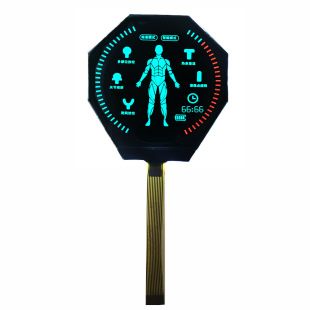
When investing in a high-performance display, you're not just buying a screen—you're choosing a window into your digital world that can reshape how you work and play. Imagine a monitor that not only shows vibrant colors but also responds to your every command with near-instantaneous precision. It's about finding that perfect balance where every pixel serves a purpose, whether you're editing a video, designing graphics, or diving into an immersive gaming session. The right display should feel like an extension of your creativity, pushing boundaries without compromising on reliability or comfort.
One of the first things that sets top-tier displays apart is their resolution and refresh rate, but it goes deeper than just numbers on a spec sheet. Think of a 4K resolution paired with a 144Hz refresh rate—it's not merely about sharper images and smoother motion; it's about minimizing eye strain during long hours of use and ensuring that fast-paced action remains crystal clear. Many high-performance models now incorporate HDR technology, which enhances contrast and color depth to deliver visuals that pop with life, making everything from movies to professional applications more engaging and true-to-life.
Beyond the core specs, consider features like adaptive sync technologies (such as NVIDIA G-Sync or AMD FreeSync) that eliminate screen tearing, creating a seamless visual experience. Ergonomic designs with adjustable stands also play a crucial role, allowing you to customize the viewing angle for optimal comfort. In essence, a standout high-performance display isn't just a tool; it's a carefully crafted element that elevates your daily interactions, blending cutting-edge tech with user-centric design to meet the demands of both professionals and enthusiasts alike.
Comparing Different Types of Monochrome LCD Screens
When considering monochrome LCD screens for your project, it's essential to understand how various types stack up in terms of performance and suitability. Traditional TN (Twisted Nematic) displays are widely used due to their low cost and fast response times, making them a go-to for basic digital clocks or industrial control panels. However, they often suffer from poor viewing angles and limited contrast, which can be a drawback in applications where visibility from different positions is critical. In contrast, STN (Super Twisted Nematic) screens improve on this with better contrast and wider angles, though they might come at a slightly higher price point and slower refresh rates—ideal for devices like handheld meters or older mobile devices where readability is key.
Moving beyond TN and STN, newer technologies like FSTN (Film Compensated STN) and MSTN (Metal STN) offer enhanced clarity and stability, particularly in challenging lighting environments. FSTN screens, for instance, incorporate a compensation film to reduce color shift, resulting in sharper images and reduced eye strain for users in medical equipment or outdoor signage. Meanwhile, MSTN variants use metal layers to boost durability and contrast, making them robust choices for automotive dashboards or rugged handheld terminals where reliability is paramount. Each type balances factors like power consumption, temperature tolerance, and cost, so it's crucial to match the screen to your specific needs rather than opting for the cheapest or most advanced option.
To make an informed choice, weigh practical aspects like ambient light conditions and user interaction. For example, in low-light settings, a high-contrast FSTN display might outperform a standard TN, even if it costs a bit more. Similarly, if your device will be used outdoors, consider screens with anti-glare coatings or wider temperature ranges to ensure consistent performance. Ultimately, comparing monochrome LCDs isn't just about specs—it's about finding the right fit that delivers clear, reliable visuals without unnecessary complexity, ensuring your product meets both technical demands and user expectations smoothly.
Applications and Use Cases for Monochrome Displays
Monochrome displays, often overlooked in today's vibrant world of color screens, carve out a niche where simplicity and functionality triumph over visual flair. Whether it's the crisp black-and-white text on an e-reader that mimics the experience of reading from paper, or the clear, low-energy indicators on industrial control panels, these displays shine in scenarios demanding high contrast and readability without the distraction of hues. From medical devices where clarity can be critical in diagnostics, to automotive dashboards and smartwatches prioritizing battery life and visibility in varied lighting conditions, monochrome technology provides a reliable, cost-effective solution. By focusing on grayscale output, these displays reduce eye strain and enhance information processing in tasks where color might be superfluous or even detrimental, proving that sometimes, less really is more in interface design.
In specialized applications, monochrome displays demonstrate versatility beyond mere text display. For instance, in thermal imaging or night vision equipment, they excel at rendering subtle temperature variations or low-light scenes in shades of gray, enabling precise analysis without the noise introduced by color palettes. Similarly, in scientific research and laboratory settings, instruments like oscilloscopes and spectrometers utilize monochrome screens to present waveforms and data plots with high precision, where color could obscure important details or introduce bias. The longevity and durability of monochrome LCDs and OLEDs also make them ideal for rugged environments, such as military gear or outdoor kiosks, where harsh conditions might degrade color performance. By stripping away color, these devices not only conserve power but also streamline focus, allowing users to concentrate on the core data or imagery at hand, ensuring efficiency and accuracy in mission-critical operations.
Beyond practical hardware, monochrome displays hold a unique charm in creative and retro contexts. Artists and designers often employ them in digital art projects to explore texture, form, and contrast without the complexity of color theory, harkening back to classic photography and film noir aesthetics. In consumer electronics, retro-styled gadgets like minimalist alarm clocks or vintage-inspired radios leverage monochrome screens to evoke nostalgia while maintaining modern functionality. Moreover, in accessibility technology, they cater to users with color blindness or visual impairments by offering clear, high-contrast interfaces that improve usability without relying on color cues. This adaptability underscores how monochrome displays aren't just relics of the past but are actively evolving, finding new roles in an era dominated by color, where their understated elegance and focused utility continue to offer compelling alternatives.
Factors Influencing Display Quality and Durability
Screens rely on multiple components working in harmony, and their long-term performance hinges on factors like panel technology and environmental resilience. For instance, OLED displays offer vibrant colors and deep blacks but may be prone to burn-in if static images linger, while LCDs with advanced backlighting can maintain brightness over time but sometimes struggle with viewing angles. Innovations in materials, such as scratch-resistant coatings or flexible substrates, help mitigate wear from daily use, ensuring the display remains clear and responsive even after years of handling.
Beyond the hardware, user habits and external conditions play a significant role in how well a display holds up. Exposure to extreme temperatures, humidity, or direct sunlight can accelerate degradation, causing colors to fade or screens to become brittle. Manufacturers often design devices with these scenarios in mind, incorporating features like anti-glare layers or thermal management systems that adapt to fluctuating environments, which subtly enhances durability without compromising the visual experience.
In the end, the interplay between manufacturing quality and real-world application defines a display's lifespan. Brands that prioritize rigorous testing and sustainable materials tend to produce screens that withstand the test of time, offering consistent brightness and color accuracy. By focusing on these nuanced aspects, users can make informed choices that balance immediate visual appeal with lasting reliability, ensuring their devices remain functional and aesthetically pleasing for years to come.
Tips for Selecting the Right Display for Your Project
When diving into a project that involves displays, it's easy to get overwhelmed by options. Start by pinpointing who your audience is and where the display will be used—like a dimly lit retail store or a bustling outdoor event. Brightness, viewing angles, and environmental resilience matter a lot; a sunny-day installation won't fare well with a standard indoor screen, so factor in things like high-nit ratings and weatherproofing.
Don't just chase the latest specs; think about long-term costs and ease of use. Consider connectivity options, such as HDMI or USB-C, and software compatibility to avoid future headaches. For example, if you're integrating with custom software, check driver support and refresh rates. A display might look sharp initially, but if it's a hassle to maintain or upgrade, it could derail your project down the line.
Test a few models in real scenarios whenever possible. Place a candidate display in a mock setup to see how colors and text read under different lighting or from various distances. This hands-on step can reveal quirks specs sheets miss, helping you choose a display that not only meets specs but also enhances your project's overall impact and user experience.
FAQ
Monochrome LCD displays offer superior contrast, longer lifespan, and lower power consumption. They're ideal for applications where clarity and reliability matter more than color, like industrial control panels or medical devices, providing crisp text and graphics even in direct sunlight.
Industries such as automotive (for dashboard displays), medical (in diagnostic equipment), and retail (with point-of-sale systems) frequently rely on monochrome LCDs. Their durability and clear visibility under various lighting conditions make them perfect for rugged, high-demand environments.
Start by considering factors like screen size, resolution, and viewing angles. Match the display to your operating environment—for example, opt for high-brightness models for outdoor use. The best choice often depends on balancing cost with performance needs.
Yes, many suppliers offer customization options. You can request specific dimensions, touchscreen capabilities, or enhanced temperature ranges. Discussing your requirements with manufacturers helps ensure the display fits seamlessly into your design.
Monochrome LCDs typically last longer and consume less power, making them more cost-effective over time. They also perform better in bright conditions and are less prone to image burn-in, which is crucial for static content applications.
Extreme temperatures or humidity can impact display reliability. Look for models rated for wide temperature ranges and sealed designs if used outdoors. Proper specification ensures consistent operation in challenging settings.
Conclusion
To discover the best monochrome LCD display for your needs, start by grasping the underlying technology. Monochrome LCDs operate by controlling liquid crystals to allow or block light, producing high-contrast images without color. Understanding this helps in appreciating why they excel in specific scenarios. Key features like high resolution, wide temperature range, and low power consumption are crucial for performance. When comparing types, such as TN, STN, or OLED-based monochrome variants, consider factors like response time and viewing angles. This foundational knowledge guides you in making an informed choice.
Applications for monochrome displays span industries from medical devices to industrial controls, where reliability and readability under various conditions are paramount. Display quality and durability depend on elements like backlighting, contrast ratio, and build materials. To select the right display, assess your project's requirements—whether it's outdoor visibility or power efficiency—and test samples in real-world settings. By blending these aspects, you can tailor your search to find a display that not only meets but exceeds expectations, ensuring optimal performance in your specific use case.
Contact Us
Contact Person: Vincent
Email: [email protected]
Tel/WhatsApp: 86 135 5485 1379
Website: https://www.jda-display.com/