

Customized Flat Bottom Pouches: How to Find the Right Manufacturer
2026-05-31
Searching for a reliable manufacturer to produce custom flat bottom pouches is often riddled with dead ends—vague quotes, inconsistent samples, and suppliers who overpromise and underdeliver. Before you waste weeks chasing the wrong partners, consider a smarter route. Kody has carved out a reputation for cutting through the noise, matching brands with factories that actually understand flexible packaging. So, what should you actually look for in a manufacturer? Let’s break it down step by step.
Key Features That Set Top Pouch Manufacturers Apart
Exceptional pouch makers distinguish themselves by seamlessly blending material expertise with design flexibility. Instead of offering a generic catalog, they delve into the nuances of barrier films, resealable closures, and sustainable substrates, ensuring each pouch is engineered for its specific contents—whether that means extending shelf life for coffee or providing puncture resistance for pet treats. This technical depth allows them to recommend unexpected material combinations that elevate both functionality and shelf appeal, often solving challenges clients hadn’t yet articulated.
Beyond materials, their agility in production sets them apart. While many suppliers rely on rigid, high-minimum processes, the top-tier manufacturers embrace short runs, rapid prototyping, and digital printing advancements. This flexibility enables brands to test new markets or seasonal designs without overcommitting, and it fosters a collaborative environment where feedback loops are swift and iterations happen in days, not weeks. Such responsiveness is complemented by meticulous quality control that goes beyond standard checks—using vision systems and seal integrity tests to ensure every pouch performs flawlessly from filling line to end user.
Finally, strategic guidance transforms a vendor into a true partner. Leading manufacturers don’t just take orders; they actively contribute to product success by analyzing market trends, suggesting ergonomic spout designs, or optimizing packaging for e-commerce shipping. Their teams often include packaging engineers who work side-by-side with brand managers, discussing not only cost efficiencies but also unboxing experiences and consumer convenience. This consultative approach, paired with transparent communication on lead times and material origins, builds long-term trust and makes them an indispensable extension of any brand’s operations.
Questions to Ask Before Committing to a Supplier
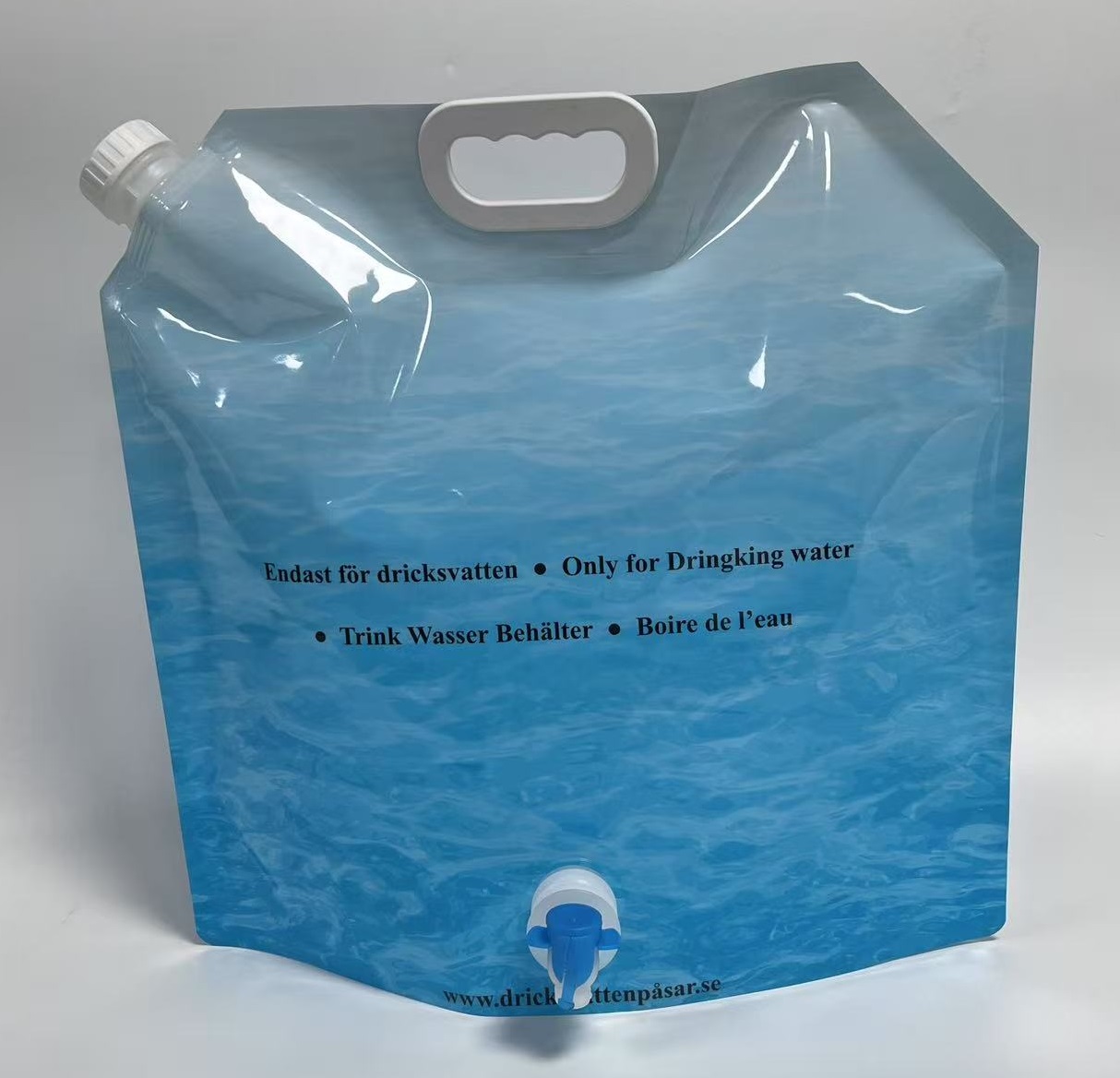
It’s easy to get swept up in a supplier’s polished pitch, but you need to dig into the nuts and bolts before shaking hands. Start by asking about their production capacity and lead times—can they actually scale if your orders spike without tripping over their own feet? Don’t just take their word for it; request a detailed breakdown of their current workload and how they prioritize clients. This reveals whether you’ll be a priority or an afterthought once the ink dries.
Beyond the numbers, probe how they handle curveballs. Every supply chain hits snags—material shortages, logistics chaos, quality hiccups. Ask for real examples of past disruptions and what they learned from them. A supplier who stumbles but can’t articulate their recovery plan is a risk disguised as a partner. You want someone who’s not just reactive but relentlessly proactive about keeping your lines moving.
Finally, gauge their alignment with your long-term vision. Do they invest in improving their processes, or are they coasting on reputation? Ask about their plans for the next two to three years—technology upgrades, sustainability goals, anything that shows they’re not stagnant. A supplier who sees your growth as their own won’t just nod along; they’ll challenge you to think bigger.
Material and Customization Options That Matter
The foundation of any product worth owning starts with the materials you can actually feel good about. We’re not talking about cheap composites dressed up with fancy marketing names. Our approach is simple: source durable, responsibly harvested hardwoods, full-grain leathers that age with character, and metals that don’t degrade after a season. No veneers, no bonded leather peeling after six months. It’s a quiet confidence that comes from knowing your piece can handle real life without falling apart.
Customization here goes beyond picking a color from a dropdown. You can adjust dimensions to fit a tricky alcove, select from fabric weaves that haven’t been seen in every catalog, or even request a different wood grain pattern for a truly one-off look. Hard finishes like hand-rubbed oil or matte lacquer are applied in-house, so you’re not stuck with whatever the factory line decided was popular this year. We keep the options focused—enough to be personal, not so many that it becomes meaningless noise.
What you end up with is a piece that feels coherent. The materials and your choices work together instead of clashing. A compact desk in walnut with a lightly distressed edge, or a lounge chair in a slate-toned wool blend—these aren’t just configurations, they’re solutions for spaces that don’t fit the cookie-cutter mold. Most importantly, nothing is permanent until you’re certain. We send material swatches and finish samples so you can live with them in your own light before committing. That’s the part that turns a transaction into a genuinely tailored experience.
How to Verify Quality Without Visiting the Factory
Rely on live video inspections that go beyond a quick tour. Ask the supplier to walk you through the production line in real time, focusing on specific quality control checkpoints you've agreed upon beforehand. A checklist tailored to your product's tolerance levels keeps the process structured and prevents the factory from glossing over defects.
Don't hesitate to send a local third-party inspector if the order volume justifies it. These professionals are trained to spot inconsistencies in materials, workmanship, and packaging that a camera might miss. Even a one-time audit can uncover long-term risks before they become expensive problems.
Request detailed batch testing reports instead of relying on generic certifications. A transparent supplier will share lab results for things like durability, chemical safety, or electrical compliance specific to your production run. Pair this with physical samples photographed under controlled lighting and multiple angles to catch subtle finish issues early.
Balancing Cost and Value in Flat Bottom Pouch Production
Figuring out where to trim expenses without undermining the pouch’s structural integrity or shelf appeal often comes down to material choices and process tweaks. For instance, moving to a thinner yet high‑barrier film can lower raw material costs while still delivering the protection customers expect. It’s a subtle calibration—cut too much and you risk leaks or a flimsy feel, but getting it right actually amplifies the product’s real‑world value.
Beyond materials, the way a production line is arranged makes a tangible difference. Switching from off‑line to in‑line pouch forming and filling not only sheds labor and handling overhead but also speeds up turnaround, making short runs more economically viable. This kind of integration bumps up value on the operational side, enabling converters to offer competitive pricing while protecting their own margins.
Design choices also play an outsized role in this balance. A resealable zipper or a tear notch might add cents per unit, but if they noticeably improve user convenience, the pouch becomes a stronger selling point for brands. The trick is to treat such features as value levers instead of automatic expenses—testing them in small batches often reveals a willingness to pay that more than covers the extra cost.
Red Flags to Avoid When Choosing a Partner
It's easy to get caught up in the excitement of a new relationship and overlook things that feel a little off. But certain behaviors can signal deeper issues that will only grow over time. Paying attention to how someone treats you when they're stressed, how they talk about past partners, or whether they respect your need for space can reveal a lot about their character. If you find yourself constantly making excuses for their actions or feeling drained after spending time together, it's worth taking a step back to reassess.
One major red flag is a lack of accountability. When someone always blames others for their problems or refuses to apologize sincerely, it often points to an inability to grow within a relationship. Another is controlling behavior disguised as care—like getting upset when you make plans without them or questioning your choices under the guise of looking out for you. Trust your gut if something feels consistently off, because healthy connections are built on mutual respect, not walking on eggshells.
FAQ
Start by nailing down your specifications: dimensions, material (like kraft, foil, or PE), barrier requirements, and closure type. Having a clear brief helps you get accurate quotes and avoids back-and-forth. Also, think about your order volume and if you need any add-ons like resealable zippers or tear notches. This prep work makes the manufacturer search much smoother.
Look beyond their website. Ask for samples, of course, but also dig into their client history. A reliable manufacturer will happily share references or case studies. Pay attention to their communication during the inquiry process—delays or vague answers at this stage often hint at future headaches. If possible, plan a factory visit or request a virtual tour to see their setup firsthand.
At minimum, they need to conduct material inspection upon receipt, in-line checks during production, and final random sampling before shipping. For food-grade pouches, ask about their adherence to standards like FDA or EU regulations. A good sign is if they use third-party testing labs. Don't just take their word for it—request a copy of their quality assurance manual or certifications.
Cheapest isn't always best. When comparing quotes, make sure each one covers the same specs: material grade, thickness, print quality, and any extras. A lower quote might mean thinner film or lower-grade ink. Ask for a detailed cost breakdown—this transparency can reveal where corners might be cut. Also, factor in logistics and lead time, as a slightly higher unit price from a nearby supplier could save you significant shipping costs.
Custom printing, especially multi-color designs, adds time because of plate-making and color matching. Unusual dimensions or specialized seals, like child-resistant tear slots, also extend production. If you're in a rush, stick to standard sizes and simple print runs. Always confirm the lead time in writing for each variation—don't assume all custom features take the same amount of time.
Not necessarily. Many manufacturers now offer flexible MOQs, though they might come at a higher per-unit cost. You can also look for companies that specialize in short runs or digital printing, which doesn't require plates. Another tactic is to pool orders with another small brand to meet a reasonable minimum. Just be upfront about your volume so you don't waste time with a factory that only handles six-figure orders.
Once you receive a shipment, inspect for consistency: Are the pouches evenly sealed? Is print registration sharp across all units? Test a sample batch by filling them with your product to ensure they stand upright and the seals hold. Check the barrier properties if you're using them for perishable goods. If you spot recurring flaws, document them promptly—reputable manufacturers will address the issue without dragging their feet.
Conclusion
When searching for a reliable flat bottom pouch manufacturer, it’s essential to look beyond promotional claims and evaluate the actual strengths that set top suppliers apart. The best manufacturers stand out through transparent communication, a proactive approach to material selection, and genuine customization capabilities. They don't just offer generic options but discuss specifics like barrier properties, resealable features, and print finishes that align with your product’s shelf-life needs. Before committing, asking pointed questions—such as lead times for custom orders, minimum order quantities, and past experience with similar products—reveals much about their operational competence. At the same time, verifying quality remotely has become more practical: request physical samples produced under your specifications, check for certifications like ISO or food-grade compliance, and ask for references from current clients. These steps can be done without ever visiting the factory and often expose inconsistencies that glossy websites hide.
Cost is always a factor, but in flat bottom pouch production the lowest price rarely equals the best value. It’s smarter to weigh the total cost against what you receive—durability of materials, precision of printing, and consistency batch after batch. A manufacturer that offers a slightly higher unit price but includes inventory management support, faster turnaround, or design assistance often saves you more in the long run. Meanwhile, staying alert to red flags can prevent costly mistakes. Be wary of suppliers that avoid providing detailed material data sheets, dismiss your quality concerns, or pressure you with “one-day-only” deals. Unclear pricing breakdowns, reluctance to sign formal agreements, and poor responsiveness are also indicators of an unreliable partner. Ultimately, finding the right manufacturer is about building a relationship based on trust, verified capability, and a shared commitment to quality—not just a transaction.
Contact Us
Contact Person: Cindy Lee
Email: [email protected]
Tel/WhatsApp: 8613622669331
Website: https://www.dgkody.com