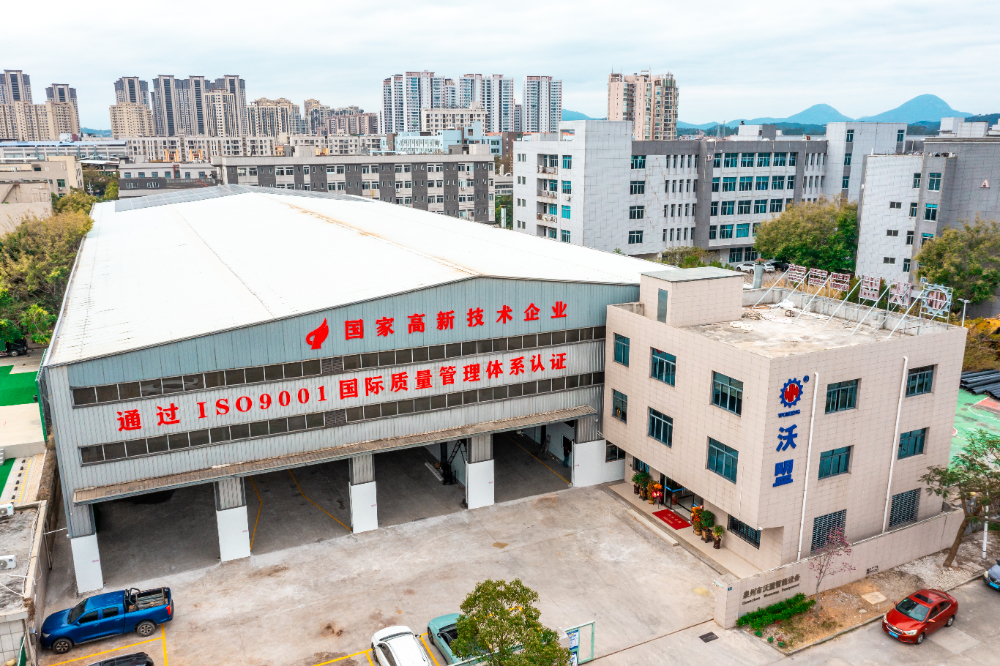

Cost-Effective Adult Diaper Machine: Affordable Solutions for Elder Care
2026-03-26
As the global population ages at an unprecedented rate, the demand for affordable and reliable elder care products has never been greater. Among these essentials, adult diapers play a crucial role in maintaining dignity and comfort for seniors. Yet, the machinery behind their production often remains overlooked, leaving many care facilities and manufacturers struggling with high costs and inefficiencies. That's where Womeng steps in. Our cost-effective adult diaper machines are revolutionizing the industry, offering tailored solutions that balance quality with affordability. In this blog, we'll explore how investing in the right equipment can transform elder care operations, enhance productivity, and ultimately, improve lives. Curious to learn more? Let's dive into the world of innovative diaper manufacturing with Womeng.
Essential Features to Look for in an Adult Diaper Machine
When selecting an adult diaper machine, it's crucial to focus on features that ensure consistent product quality and operational efficiency. Look for machines with precision cutting and sealing systems, as these directly impact the diaper's fit and leak resistance. Advanced sensors that monitor material tension and alignment can reduce waste and minimize downtime, making production smoother and more cost-effective.
Durability and ease of maintenance are often overlooked but vital aspects. Machines with modular designs allow for quick part replacements and easier cleaning, which is essential in hygiene-sensitive manufacturing environments. Consider models with robust frames and components resistant to corrosion and wear, as this ensures long-term reliability and reduces the total cost of ownership over time.
Flexibility in production is another key factor, especially for manufacturers catering to diverse markets. Machines capable of handling various sizes and absorbency levels without extensive retooling save time and resources. Additionally, features like user-friendly interfaces and automated adjustments can streamline operations, allowing staff to focus on quality control rather than manual tweaks, ultimately enhancing overall productivity.
Budget-Friendly Manufacturing Options
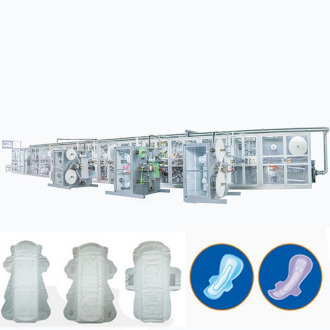
When it comes to bringing your product to market without breaking the bank, exploring budget-friendly manufacturing options is key to staying competitive. Many startups and small businesses find that leveraging local or regional workshops can cut down on shipping costs and lead times, while utilizing standardized components and materials helps reduce custom expenses. By adopting lean production methods, such as just-in-time inventory, you can minimize waste and optimize resource use, making your operations more cost-effective and environmentally friendly. It's all about being smart with your resources from the get-go.
Another effective approach is to look into contract manufacturing or overseas partnerships, where economies of scale can lower per-unit costs significantly. For instance, collaborating with factories in countries like Vietnam or Mexico often offers a sweet spot between affordability and quality, without the high overhead of domestic production. Don't overlook the potential of digital tools like 3D printing for prototyping, which allows for rapid iteration at a fraction of traditional tooling costs, enabling you to test and refine designs before committing to large-scale runs. This flexibility can be a game-changer for tight budgets.
To really stand out, consider hybrid models that mix in-house production with outsourcing for specific stages, such as assembly or finishing. This way, you maintain control over critical aspects while tapping into specialized expertise where it counts. Staying informed about new technologies and market trends, like AI-driven automation, can also open up fresh avenues for cost savings without compromising on quality. Ultimately, a strategic blend of creativity and practicality in your manufacturing choices can help you deliver great products while keeping your finances in check, setting your business apart in a crowded marketplace.
Enhancing Senior Comfort Through Automation
Imagine a world where the simple tasks that can become burdensome with age are handled seamlessly in the background, allowing older adults to focus on what truly matters: enjoying life. Automation is not just about technology for its own sake; it's a tool to foster independence and ease daily challenges. From smart thermostats that adjust room temperature automatically to medication dispensers that provide timely reminders, these innovations work quietly to create a safer, more supportive environment. By reducing the need for constant manual intervention, automation can alleviate stress and physical strain, offering seniors a greater sense of control and peace of mind in their own homes.
One often overlooked aspect is how automation can enhance social and emotional well-being. Voice-activated assistants like smart speakers can help seniors stay connected with family through hands-free calls or entertainment options, reducing feelings of isolation. Automated lighting systems that mimic natural daylight cycles can improve sleep patterns and mood, while robotic vacuum cleaners or lawn mowers take care of chores that might otherwise cause discomfort or risk. These solutions are designed to be intuitive and non-intrusive, blending into daily routines to provide subtle support without overwhelming users with complex interfaces.
Looking forward, the potential for automation to elevate senior comfort extends into personalized health monitoring. Wearable devices and smart home sensors can track vital signs and activity levels, alerting caregivers or medical professionals to potential issues before they become emergencies. This proactive approach not only boosts safety but also empowers seniors to maintain their health with dignity. Ultimately, by integrating thoughtful automation, we can create living spaces that adapt to individual needs, promoting longevity and happiness in later years without sacrificing autonomy.
Streamlined Production Tips for Efficiency
Let's talk about making things flow smoother in production, because honestly, who has time for bottlenecks? It's all about mapping out your process from start to finish and spotting where things slow down—maybe it's a finicky piece of equipment or a team waiting on approvals. Simple tweaks, like reorganizing tools so they're within arm's reach or pairing up tasks that naturally go together, can shave off precious minutes without a major overhaul.
You'd be surprised how much clutter or unclear instructions can drag productivity. Setting up a daily quick huddle to align priorities and using visual cues like color-coded labels for materials helps everyone stay on the same page, cutting down on confusion and wasted effort. And don't forget the power of feedback loops: regularly checking in with your crew to hear what's working and what's not can uncover easy wins you might've missed.
In the end, efficiency isn't about pushing harder but working smarter. It could be as straightforward as batching similar jobs to reduce setup changes or investing in a bit of automation for repetitive tasks—think basic software for inventory tracking. Small, consistent adjustments add up, making your production line not just faster, but more reliable and less stressful for everyone involved.
Innovations in Elder Care Technology
Recent advancements in technology are transforming how we care for the elderly, shifting focus towards personalized, non-intrusive solutions. From smart home sensors that discreetly monitor daily activities to wearable devices tracking vital signs, these innovations empower older adults to maintain independence while providing caregivers with real-time insights. Rather than relying on traditional check-ups, these tools enable proactive health management, reducing emergency risks and enhancing overall well-being. For instance, AI-driven platforms can analyze patterns in movement or sleep, alerting family members to potential issues before they escalate, blending seamlessly into everyday life without feeling like medical interventions.
Another exciting development is the integration of social and emotional support through virtual and augmented reality technologies. These tools combat loneliness and cognitive decline by offering engaging activities, from virtual travel experiences to memory-enhancing games tailored to individual interests. Unlike generic entertainment, they adapt to users' abilities and preferences, fostering mental stimulation and social connection. Telemedicine has also gained traction, allowing healthcare professionals to conduct remote consultations and monitor chronic conditions efficiently, making quality care accessible even in rural or underserved areas. This approach not only saves time and resources but also respects seniors' dignity by minimizing unnecessary hospital visits.
Looking ahead, robotics and automation are poised to play a larger role in elder care, with robots assisting in tasks like medication reminders, mobility support, and even companionship. Innovations in this space are designed to be user-friendly and empathetic, ensuring they complement human interaction rather than replace it. The goal is to create a holistic ecosystem where technology enhances safety, health, and happiness, allowing older adults to age gracefully in their own homes. As these technologies evolve, they promise to address the growing demands of an aging population, offering sustainable solutions that prioritize both practical needs and emotional fulfillment.
Sustainable Practices in Diaper Manufacturing
In the world of diaper manufacturing, sustainability isn't just a trend—it's becoming a core focus for brands aiming to reduce their environmental footprint. This involves rethinking materials, from sourcing plant-based fibers like bamboo and organic cotton that are biodegradable or compostable, to using fewer chemicals in absorbent cores. Companies are also exploring ways to minimize water usage and energy consumption during production, often by investing in renewable energy sources and optimizing factory processes. By integrating these eco-friendly approaches, they're not only appealing to environmentally conscious parents but also contributing to a healthier planet for future generations, making every diaper change a small step toward sustainability.
Beyond materials, innovative designs play a key role in sustainable diaper manufacturing. Many manufacturers are developing thinner yet highly absorbent diapers that use less raw material without compromising performance, reducing waste in landfills. Some are even testing reusable or hybrid models with washable covers and disposable inserts, offering parents flexible options that cut down on single-use plastics. These advancements often stem from collaborative efforts with environmental experts and consumer feedback, leading to products that are both practical and planet-friendly. It's a shift toward circular economy principles, where the entire lifecycle of a diaper—from production to disposal—is considered to minimize environmental impact.
To ensure their efforts are genuine, many diaper brands are adopting transparent practices and certifications. They might partner with third-party organizations to audit their supply chains for ethical sourcing and low-carbon logistics, or highlight recyclable packaging made from post-consumer materials. Educating consumers on proper disposal methods, such as separating components for recycling or composting where facilities exist, is another crucial aspect. This holistic approach not only sets companies apart in a competitive market but also builds trust with families who want to make responsible choices, showing that sustainable diapering can be both effective and accessible for everyday use.
FAQ
The machine incorporates energy-efficient motors and uses less material per diaper without compromising quality, reducing production costs significantly while maintaining durability for elderly care needs.
It allows facilities to produce disposable diapers in-house, cutting procurement expenses and ensuring a steady supply, which enhances comfort and reliability for residents without straining budgets.
Yes, due to its compact design and lower upfront cost, small homes can afford it, enabling them to customize diaper sizes and reduce waste, making elder care more personalized and economical.
Routine cleaning and lubrication of parts are needed, with simple troubleshooting guides provided, minimizing downtime and ensuring long-term, hassle-free operation in care settings.
It supports the use of biodegradable materials and optimizes resource usage, helping reduce environmental impact while providing sustainable, cost-conscious solutions for elder care.
Advanced sensors and automated controls monitor each step, from absorbency to fit, guaranteeing uniformity and comfort to meet specific elder care requirements reliably.
Conclusion
A cost-effective adult diaper machine represents a vital investment in elder care, blending affordability with advanced features to meet growing demands. Essential features to look for include automated systems for precision in material handling and consistent product quality, alongside user-friendly interfaces that simplify operation for caregivers. Budget-friendly manufacturing options, such as modular designs or scalable equipment, enable facilities to start small and expand as needed, reducing initial capital outlay while maintaining high standards. Innovations in elder care technology further enhance these machines by incorporating smart sensors for real-time monitoring and adaptive settings that prioritize senior comfort through gentle, efficient processes. These technological strides not only improve operational efficiency but also ensure that the final products meet the specific needs of elderly individuals, promoting dignity and well-being in care settings.
Streamlined production tips for efficiency, like optimizing workflow layouts and implementing preventive maintenance schedules, help minimize downtime and maximize output, making these machines even more cost-effective in the long run. Additionally, sustainable practices in diaper manufacturing are increasingly integrated into modern machines, with features that reduce water and energy consumption or allow for the use of eco-friendly materials. This commitment to sustainability not only lowers environmental impact but also aligns with broader societal values, adding a competitive edge to affordable solutions. By merging these aspects—from essential functionalities to automation and green initiatives—cost-effective adult diaper machines offer a comprehensive approach that addresses both economic and ethical considerations in elder care, ensuring reliable, comfortable products without compromising on quality or responsibility.
Contact Us
Contact Person: Jessie Lai
Email: [email protected]
Tel/WhatsApp: 86-188594442931
Website: https://www.wm-machinery.com