

Choosing a Reliable Mixing Tank Supplier for Consistent Industrial Blending Solutions
2026-07-25
In industrial manufacturing, consistent blending can make or break your entire operation. Yet, too many facilities struggle with unreliable mixing tanks that lead to costly downtime and inconsistent output. The real question is: how do you find a supplier that delivers precision engineering and long-term dependability? That’s where DYE changes the game—by turning a frustrating search into a straightforward solution. In this post, we’ll walk you through what truly matters when choosing a partner for your blending needs, so you never have to second-guess your equipment again.
Uncovering True Manufacturing Expertise Beyond the Sales Pitch
Every factory tour begins the same way—gleaming floors, synchronized machinery, and a well-rehearsed presentation that highlights capacity, certifications, and punctual delivery. But real manufacturing capability rarely lives in the spotlight. It’s buried in the scrap bins, the debugging logs, and the quiet decisions made on the night shift when tolerances drift and someone has to choose between shipment speed and dimensional accuracy. The gap between a polished sales narrative and operational reality is where genuine expertise hides, and uncovering it demands more than just a checklist.
A deeper look reveals tells you’d never find in a brochure. You might notice that a supplier consistently over-engineers a non-critical feature because their tooling setup makes it cheaper than rework, or that their defect rate drops sharply for repeat orders—not because they’ve mastered the process, but because they’ve learned to anticipate which customer will complain. These patterns become visible only when you observe without an agenda, asking open-ended questions that let engineers show you their problem-solving instincts rather than their scripted achievements. True expertise often surfaces in the way they handle the unexpected: a sudden material batch variation, a worn fixture, or an ambitious design tweak that pushed the equipment past its limits last month.
The most revealing insights come when you shift from auditing compliance to understanding resilience. Instead of asking if they follow a procedure, ask what they did the last time that procedure failed. A supplier’s real strength isn’t in the flawless execution of a perfect plan—it’s in the network of informal fixes, cross-trained operators, and shop-floor judgment that kicks in when the plan falls apart. That’s the expertise that keeps your production line running six months after the contract is signed, long after the PowerPoint slides have been forgotten.
Why Material Selection Defines Long-Term Blending Performance
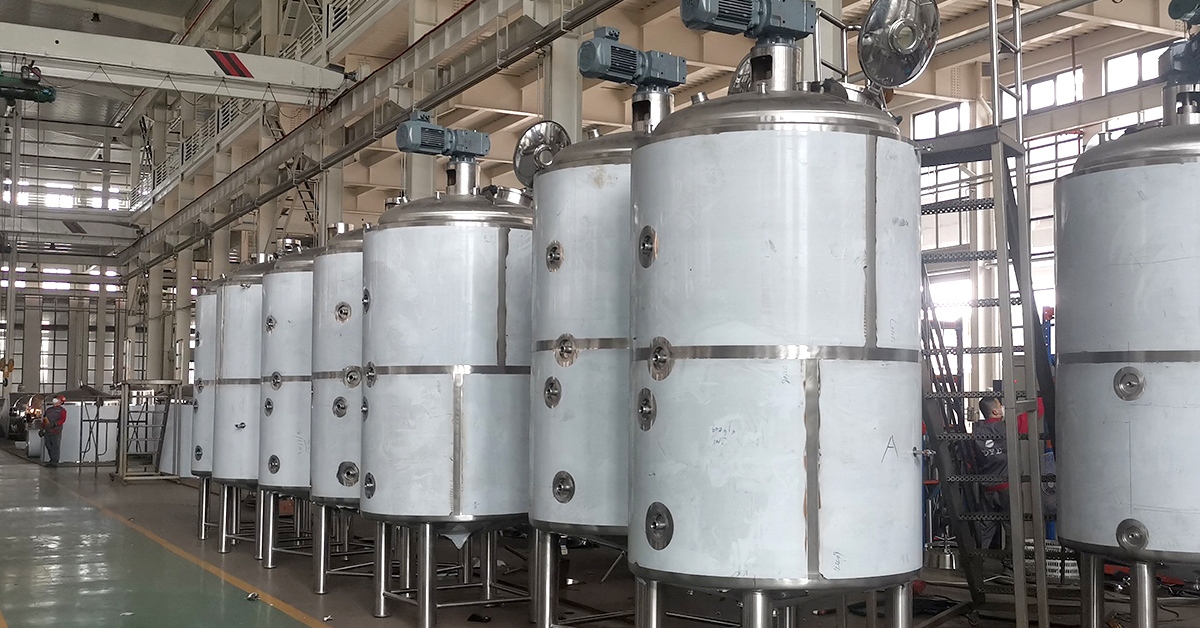
The metals and polymers you choose for your blending system aren't just components—they form the backbone of how reliably that mixer will hum along five, ten, or twenty years from now. Stainless steel grades that shrug off acidic wear, seals that don't stiffen under thermal cycling, and coatings that resist microabrasion all quietly determine whether a scheduled maintenance stops at a simple inspection or spirals into an unplanned rebuild. It's the difference between a machine that ages gracefully and one that corrodes from the inside out.
Short-term performance specs can mask deeper material mismatches. A high-nickel alloy might ace a 90-day trial but start pitting when the process fluid shifts pH, while a cheaper elastomer seals beautifully until it swells under sustained temperature. The real test isn't the paycheck of validation runs—it's the thousandth shift, when every microscopic crack or leaching element begins rewriting the output quality. That steady drift in particle size distribution or the emerging dead spot in a ribbon blender seldom traces back to operator error.
Designers who treat material selection as a checklist item miss the nuance: the same 316L stainless can behave differently depending on its weld procedure, passivation, and surface finish. Building blending equipment that endures means layering these choices with the specific chemistry, abrasiveness, and heat profile of your mix—not a generic “heavy-duty” label. When the materials align intimately with the process, what you get over decades is a true absence of drama: consistent blends, predictable wear, and a maintenance log that never surprises you.
Customization Capabilities That Go Past Standard Configurations
Many platforms lock you into rigid templates that only allow surface-level tweaks, but here the customization engine is built differently. Instead of simply adjusting colors and fonts, you can reshape entire workflows, create custom data fields that behave exactly like native ones, and build automation rules that respond to very specific business events. This means you’re not just decorating a pre-built system—you’re molding it to fit your operational reality without writing a single line of code.
What sets this apart is how deeply you can alter logic without touching the core application. Whether it’s defining conditional visibility for form elements, stitching together multi-step approval chains that mirror your internal processes, or generating dynamic documents that pull from multiple data sources, the system treats your customizations as first-class features, not afterthoughts. As your team evolves, these bespoke configurations stay intact and adapt, rather than breaking with updates.
This approach avoids the common pitfall of “customization silos” where tweaks become isolated and hard to maintain. Because every custom field, rule, and layout is treated as a native part of the environment, you can report on them, integrate them with APIs, and even migrate them between environments seamlessly. The result is a platform that doesn’t just let you change the look and feel—it lets you reinvent the way your team works, without sacrificing stability or upgradability.
Verifying Compliance Without Getting Lost in Paperwork
Compliance checks often conjure images of towering file stacks and endless checklists, but modern approaches can strip away the clutter. The trick lies in automating routine validations—think scheduled data pulls that cross-check regulations against actual operations without human intervention. Instead of chasing signatures, teams can rely on dashboards that highlight anomalies in real time, turning a once-tedious marathon into a quick glance at a screen. It’s about replacing paper trails with smart triggers that only flag when something genuinely needs attention.
Shifting the focus from physical records to exception-based reporting preserves thoroughness while slashing effort. When systems are designed to monitor key indicators continuously, 90% of the work happens in the background, and staff intervene only for unusual patterns. This not only speeds up the process but also cuts down on the mental fatigue that comes from manually comparing documents. Over time, the organization builds a living compliance map that updates itself, freeing professionals to handle nuanced decisions rather than drown in routine proof gathering.
Embedding verification into daily workflows means the paperwork becomes a byproduct, not the main event. For instance, when a sensor logs a temperature reading or an access control system records entry, the data can automatically feed into a compliance log with tamper-proof timestamps. This approach keeps a continuous thread of evidence, so audits become a matter of reviewing a clean, digital timeline rather than reconstructing history from scattered files. The result is a system where staying compliant feels less like a recurring headache and more like a natural rhythm of operations.
The Real Cost of Support: Service Commitments That Matter
When we talk about support costs, the immediate thought often lands on direct expenses—salaries, software licenses, training. But those fixed line items barely scratch the surface. The deeper, quieter drain comes from commitments that don’t hold up: delayed responses that snowball into client frustration, half-resolved issues that loop back as repeat tickets, and slick marketing promises that crumble under real-world pressure. That erosion of trust isn’t a line item you can amortize. It shows up later in churned contracts, grudging referrals, and the mental overload of teams forever firefighting instead of building loyalty.
Commitments that truly matter have nothing to do with how many hours your desk is staffed or how quickly an automated reply fires off. They’re about consistency in the moments that test you—owning a mistake without deflection, closing a knowledge gap instead of passing the buck, and making sure the client who stays quiet isn’t quietly suffering. A service guarantee that lives only on a slide deck collapses the moment it meets a complex, emotionally charged problem. What stands firm instead is a culture where support isn’t a cost center but a core product: one that earns its keep through every transparent conversation and every fix that actually fixes.
Shifting the focus from cost containment to value creation reframes the entire service model. The real metric isn’t average handle time; it’s whether the client would bet their own reputation on your support promise. When teams measure themselves by the weight of trust they carry rather than ticket volumes squashed, investments in training, deeper diagnostics, and proactive monitoring stop looking like overhead. They become the engine of retention and quiet growth. In the long run, the service commitments that matter aren’t the ones that look shiny on a sales call—they’re the ones that silently keep your clients from ever needing to call in a panic in the first place.
How Lead Times and Delivery Shape Your Production Timeline
Every production plan starts with a clear sequence of steps, but what often disrupts that flow are the hidden gaps between ordering materials and their actual arrival. Extended lead times silently eat into your buffer, turning a well-paced schedule into a frantic dash. Instead of moving seamlessly from prototype to full run, you might find yourself reshuffling tasks, pulling resources from later phases just to keep the line moving. Those delays don't just steal days—they compress every downstream decision, from quality checks to packaging, until the final shipment date feels more like a gamble than a commitment.
Delivery reliability adds another layer of complexity. A supplier might promise a four-week turnaround, but inconsistent shipping routes or customs hiccups can stretch that into six. Even a single late component can idle an entire assembly station, forcing your team into costly overtime or partial shipments that frustrate customers. Smart teams build in realistic buffers, but they also track carrier performance data to predict which lanes are truly dependable—turning anecdotal frustration into actionable insight.
The real art lies in designing a timeline that breathes with these uncertainties rather than fighting them. That means stacking critical path tasks early, negotiating dynamic delivery windows, and maintaining transparent communication with stakeholders when dates slip. When lead times and delivery patterns are treated as living variables, your production schedule stops being a rigid document and becomes a responsive tool—one that absorbs disruption without breaking stride.
FAQ
Start by examining their engineering expertise and track record with projects similar to yours. A supplier that asks detailed questions about your process—like viscosity, temperature requirements, and mixing intensity—is often better equipped to deliver a tank that performs reliably under real-world conditions.
Ask for references from long-term clients and request case studies that showcase tanks still in operation after several years. Look for evidence of rigorous testing, such as weld integrity checks and surface finish inspections, rather than just glossy brochures.
Absolutely, if your blending process involves non-standard ingredients or throughput demands. Off-the-shelf tanks often force compromises that lead to inconsistent mixtures or maintenance headaches. Custom designs built around your specific agitation and material compatibility needs usually pay for themselves quickly.
Be wary of suppliers who can't explain the metals or coatings used in their tanks in plain language. Also, if they apply pressure to close a deal before a thorough technical review, it may indicate limited commitment to your long-term success.
It's critical. Even the best-made tank will need parts or troubleshooting eventually. Choose a supplier that provides clear maintenance schedules, stocks critical spares, and has technicians who can walk your team through adjustments over a call or on-site if needed.
Yes, whenever feasible. An in-person look at the manufacturing facility reveals a lot about quality control—how clean the welding areas are, whether materials are properly stored, and if the workforce seems experienced. These details rarely come through in a sales pitch.
Dig into their familiarity with industry standards like 3-A or BPE design. A capable supplier will discuss surface finish Ra values, crevice-free construction, and cleanability features without needing to look up the terms. Ask for a sample sanitary component drawing to gauge their attention to detail.
Conclusion
Selecting a mixing tank supplier goes far beyond comparing quotes; it requires a deep dive into the manufacturer's true engineering competence. Many vendors excel at sales rhetoric but fall short in practical know-how like fluid dynamics, heat transfer, and agitation design. A trustworthy partner demonstrates this expertise through case studies, on-site testing, or transparent discussion of past challenges. Equally critical is material selection, which directly determines your tank's longevity and contamination risk. Whether you need 316L stainless steel for corrosive chemicals or specialized alloys for high-purity applications, the supplier should guide you based on your specific product and cleaning protocols, not just offer generic options. Furthermore, genuine customization capabilities set leaders apart—they don’t stop at tweaking bracket positions but can re-engineer impellers, baffles, and nozzle placements to fix your unique blending bottlenecks.
Beyond the hardware, verifying compliance shouldn’t be a paperwork maze; a reliable supplier helps you navigate standards like ASME, FDA, or 3-A without cutting corners, providing traceable documentation and third-party certifications upfront. The real cost of ownership includes after-sales support—look for service commitments that promise rapid response, spare parts availability, and on-site assistance, as downtime can quickly erode initial savings. Finally, production timelines shape your launches: suppliers with predictable lead times, buffer stocks of key materials, and contingency plans shield you from unexpected delays, keeping your blending processes consistent and your projects on track.
Contact Us
Contact Person: Ada Xu
Email: [email protected]
Tel/WhatsApp: 0577-86806088
Website: https://www.dayuwz.com/