

China Laser Hair Growth Helmets: The Future of At-Home Hair Restoration
2026-07-07
Hair loss can be a frustrating experience, but new technology is making at-home restoration more achievable than ever. Laser hair growth helmets have emerged as a promising solution, combining clinical-grade light therapy with everyday convenience. Leading the way, GUANG TAI has introduced advanced helmets that bring professional results right to your doorstep. In this post, we’ll explore how these devices work and why they’re quickly becoming the future of hair restoration.
How Laser Hair Growth Helmets Work: The Science Behind the Light
Low-level laser therapy, or LLLT, might sound like something out of a sci-fi novel, but it's a well-researched approach used in these helmets to nudge dormant hair follicles back into their active growth phase. The light emitted isn't a heat laser; it's a cool, red or near-infrared light that penetrates the scalp without damaging the skin. Once absorbed by the cells, this light is thought to stimulate mitochondria, the tiny power plants inside each cell, boosting their energy production and kicking off a repair and regeneration process.
The real magic happens when this increased cellular energy improves blood flow and reduces inflammation around the follicles. Starved of nutrients and choked by miniaturization, follicles in balding areas gradually shrink and stop producing visible hair. The light helps dial back that process, extending the anagen (growth) phase and urging those sleepy follicles to produce thicker, stronger strands over time. It doesn't create new follicles, but it awakens those that have gone quiet.
Consistency is the secret ingredient. The helmets are designed for regular, hands-free sessions, typically a few times a week, allowing the cumulative dose of light to slowly shift the environment on your scalp. It's a gradual remodel, not an overnight fix, and the subtle science relies on your body's own repair mechanisms responding to a gentle, persistent nudge from photons.
Why At-Home Laser Therapy Beats Clinic Visits for Most People
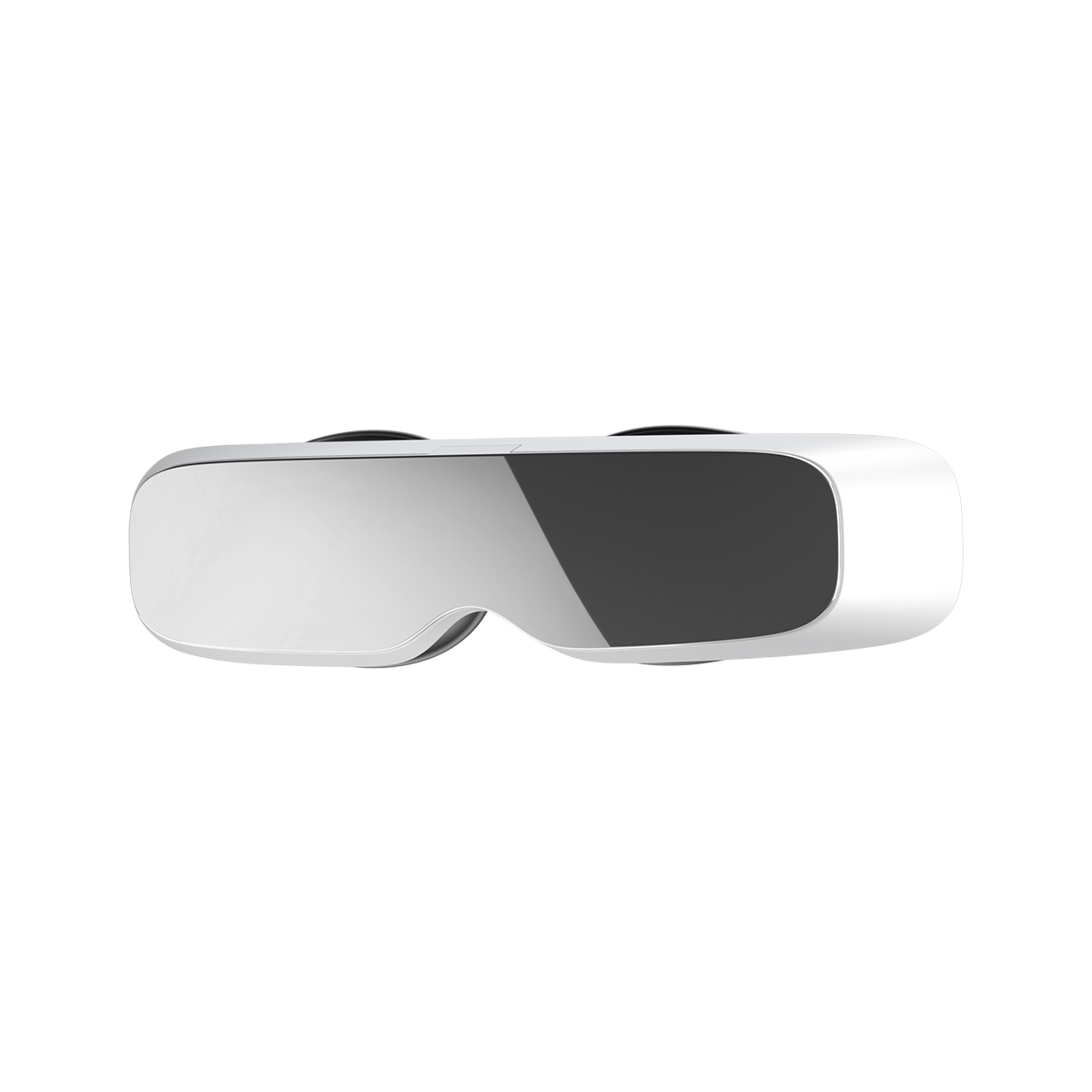
Dragging yourself to a clinic for laser therapy often means juggling appointments, sitting in traffic, and rearranging your entire day. With at-home devices, you can treat your skin while catching up on your favorite show or unwinding after a long day. There’s no need to plan weeks in advance or squeeze into an uncomfortable slot—just pick up the device whenever it suits you. This flexibility turns a chore into a seamless part of your routine, making it far more likely you’ll stick with the treatment long enough to see real results.
Cost is another major factor that swings the decision in favor of at-home laser therapy. A single clinic session can set you back hundreds of dollars, and most people need multiple visits to achieve noticeable changes. Over time, the bills stack up into the thousands. By contrast, an at-home laser device is a one-time purchase that pays for itself after just a few sessions. You can use it as often as recommended without ever worrying about hidden fees or price hikes, which makes advanced skincare accessible to a much wider audience.
There’s also the matter of privacy and comfort. Many people feel self-conscious undressing in front of a stranger or exposing areas they’d rather keep to themselves. At home, you’re in complete control of the environment and can treat sensitive zones without any awkwardness. The devices are designed to be gentle and intuitive, so you don’t need a professional’s supervision to use them safely. This low-pressure setup encourages more consistent use, leading to smoother, clearer skin without the emotional toll that clinic visits can sometimes bring.
Realistic Expectations: What Results Look Like Month by Month
The first month is often a quiet settling-in period. You're learning the rhythm, figuring out what works for your body and schedule, and mentally adjusting to the new commitment. Scale movement might be minimal—maybe a pound or two down—but real changes are happening beneath the surface: your energy levels start to stabilize, you're sleeping a bit deeper, and your clothes might feel ever so slightly looser around the waist. This is the foundation phase, and it's tempting to feel like nothing is budging, but it's absolutely necessary.
By month two, the physical changes become more noticeable, not just to you but to those around you. Your face might look a little leaner, your posture starts to improve without you consciously thinking about it, and those daily tasks—carrying groceries, climbing stairs—feel noticeably easier. The number on the scale might drop a bit more steadily now, but the real wins are how you're carrying yourself and the subtle confidence that comes from showing up consistently. Your endurance has nudged up, and what once felt like a brutal workout now feels challenging but doable.
Month three is where the compounding effect kicks in. The habits you struggled to build in month one are now just part of your day. You're probably down a visible amount of weight or noticeably leaner, but more than that, your relationship with food and movement has shifted. You start to notice you're making better choices instinctively, and missing a workout feels off rather than like a relief. This is when others really start to comment, and you realize you're no longer “trying” to be healthy—it's simply your new normal. It took 90 days to get here, and that's the pace real, lasting change demands.
Key Features That Separate Effective Helmets from Gimmicks
Pop on a helmet with flashy graphics or a wild spoiler and you might think you're getting serious protection. Real safety is far less about show and more about substance, starting with rigorous impact management. A lid that actually works will deploy a multi-layered shell—often a polycarbonate or composite outer bonded to a collapsible EPS liner—designed to crush progressively and absorb energy before it reaches your skull. Look for certifications that go beyond the bare minimum: ECE 22.06, Snell, or FIM homologation mean the helmet was pummeled in dozens of lab tests against curbs, pointed anvils, and rotational forces. A gimmicky alternative might pass a single low-speed drop test and call it a day. Pay attention to the retention system, too; a micrometric or double-D ring fastener that refuses to stretch under load is non-negotiable, while a cheap quick-release buckle can pop open when you need it most.
Fit is the silent hero that a surprising number of riders overlook. A genuinely effective helmet shouldn't just sit on your head—it should clamp it with even, firm pressure across the crown, cheeks, and temples without creating hot spots that ache after twenty minutes. The innards matter most here: multi-density foams, moisture-wicking liners that don't mat down after a sweaty summer, and emergency-removable cheek pads can separate a daily companion from a torture device. Ventilation is equally telling. Crafty engineering channels air from a brow intake across your scalp and out a rear spoiler, reducing lift and keeping your vision clear instead of just punching a couple of holes that howl at highway speeds. If a lid fits sloppy and fogs up the moment you close the visor, no amount of clever marketing will make it protective.
The visor itself is a dead giveaway. An optically correct shield that resists distortion, shrugs off scratches, and fights fog with a proper Pinlock-ready design is a world apart from a tinted piece of plastic that turns every oncoming headlight into a starburst. Quick-release mechanisms let you swap from clear to dark in seconds without fumbling with tiny screws. Then there's weight and balance: a helmet crammed with unnecessary widgets can strain your neck and distract you at lean. The best lids keep mass centralized and low, sometimes using carbon fiber or other lightweight composites that you can feel in the flickability of the bike. Ultimately, a genuine safety tool is one you barely notice after an hour, yet it works relentlessly in the background—and that quiet competence is something a gimmick can never fake.
Who Should Avoid Laser Helmets—and Who Benefits Most
Laser helmets aren’t for everyone. If you have a photosensitive condition like lupus or porphyria, are taking medications that increase light sensitivity, or have open wounds, infections, or scarring on the scalp, it’s best to avoid them. Pregnant or breastfeeding women should also hold off, as safety data is limited. And if hair loss areas are completely smooth with follicles closed for years, a laser helmet likely won’t help much.
On the flip side, those with early- to mid-stage androgenetic alopecia (male and female pattern hair loss) tend to benefit most. When follicles are still active but producing thinner, weaker hairs, low-level laser therapy can effectively stimulate cellular activity, boost blood flow, and help restore hair diameter and density. People who notice gradual thinning rather than large bald patches usually see better responses.
It’s worth noting that laser helmets aren’t a quick fix; they require consistent, long-term use. Anyone expecting dramatic results overnight might be disappointed. But for those willing to stick with it and combine treatment with healthy habits, it can be a useful part of a hair regrowth plan.
Integrating a Helmet into a Holistic Hair Restoration Routine
A hair restoration device can feel like a solitary tool, but it truly shines when woven into a broader, lifestyle-driven approach. Think of it as one piece of a larger puzzle that includes scalp massage, mindful nutrition, and stress management. Instead of treating it as a standalone fix, incorporate it into your evening wind-down: after applying a light, non-greasy serum, let the helmet work while you meditate or catch up on a podcast. This turns a routine task into a self-care ritual, reinforcing consistency without feeling like a chore.
Timing and preparation elevate the experience from mechanical to therapeutic. A clean scalp free of heavy product buildup allows the light or stimulation to reach the follicles more effectively, so consider using a gentle exfoliating scrub once a week. Pairing the helmet with a cooling scalp mist or a caffeine-infused toner right before a session can enhance the sensation and perceived benefits. Many people find that using the device in the morning provides a subtle invigorating boost, while others prefer it at night to let the scalp recover during sleep. Experiment to discover your own rhythm.
Finally, track subtle changes over time to stay motivated. Notice not just the visible strands but also how your scalp feels—less tightness, reduced flaking, or a healthier sebum balance. Jot down observations in a simple journal, and perhaps take monthly photos to glimpse progress that daily mirrors miss. This reflective practice keeps you attuned to your body’s responses and helps tailor the frequency or intensity of helmet sessions. When the device becomes part of a sensory, personalized practice, it stops being just a gadget and starts feeling like a trusted partner in your restoration journey.
FAQ
They use low-level laser therapy to increase blood flow and energize hair follicles. The light penetrates the scalp, pushing follicles from a resting phase into an active growth phase, which can thicken existing hair and encourage new strands over time.
Yes, these devices are designed for personal, at-home use. They emit a level of light that is gentle on the skin, so there's no risk of burning or tissue damage. Still, it’s wise to follow the instructions closely and consult a doctor if you have any scalp conditions.
Many Chinese brands pack in more laser diodes and advanced features like smart sensors and app connectivity at a much lower price. They often invest heavily in research and production efficiency, giving consumers high-quality devices without the premium markup you’d see elsewhere.
Patience is key here. Most people notice less shedding after about two to three months of regular use. Visible density improvement typically takes four to six months, and full results can unfold over a year, as hair follicles work in natural cycles.
They tend to be most effective for individuals with androgenetic alopecia, which is the most common form of hair loss. Results can vary depending on how advanced the thinning is. It’s less likely to help if follicles are completely dormant or scarred over.
Absolutely, many people pair the laser therapy with topical or oral medications for a synergistic effect. The light seems to enhance the absorption and efficacy of those treatments, though it’s always best to discuss combination therapy with a healthcare provider.
Most helmets are designed for sessions of about 10 to 30 minutes, typically every other day or a few times a week. Going overboard won’t speed up results—consistency is more important than frequency, so sticking to the recommended schedule is enough.
Conclusion
Laser hair growth helmets from China have quietly revolutionized how we approach thinning hair, offering a painless, drug-free option that fits into daily life. These devices use medical-grade LEDs or lasers to send low-level light energy into the scalp, which stimulates blood flow and wakes up sluggish follicles. Unlike clinic visits that chew up time and money, at-home devices let you treat your scalp while reading emails or watching TV—consistency becomes effortless. What makes Chinese-made helmets particularly appealing is their combination of cutting-edge technology and surprisingly affordable pricing, making what was once a luxury accessible to far more people.
Of course, results don’t happen overnight. Most users notice reduced shedding after a couple of months, but it’s the four-to-six-month mark where real regrowth often kicks in, provided you stick with a routine. Not every helmet on the market works the same; you’ll want one with high diode counts, the right wavelengths (typically 650nm red light), and solid safety certifications. It’s also crucial to understand that these helmets excel for genetic pattern baldness in its earlier stages—they won’t fix a completely slick scalp or hair loss from autoimmune issues. The smartest approach pairs a quality laser helmet with good nutrition, stress management, and maybe a topical like minoxidil, turning your bathroom into a mini hair clinic. With consistent use, the future of hair restoration no longer means expensive transplants or endless doctor appointments—it’s literally on your head.
Contact Us
Contact Person: Leon Yi
Email: [email protected]
Tel/WhatsApp: +86 17363316873
Website: https://zzgt.en.alibaba.com/