

Bohemian Printed Carpet of Good Quality A Complete Buying Guide
2026-10-08
You won't find another generic roundup here. Most guides for Bohemian printed carpets stop at color and size, leaving you guessing about print quality, fiber blend, and how the carpet will actually wear in a busy hallway. This complete buying guide closes that gap. We've tested the details that matter: how tightly the weave holds the pattern, whether the dyes resist fading, and what separates a good quality Bohemian printed carpet from a cheap imitation. No vague adjectives, no recycled bullet points—just clear, practical checks you can use before you spend a cent. Whether you're after a statement piece for the living room or a soft landing beside the bed, Senseco has distilled the research so you can buy with confidence.
The Real Difference Between a $40 and $200 Bohemian Print Carpet
At first glance, the $40 and $200 versions of a bohemian print carpet might look nearly identical in an online photo. Both showcase the same faded medallions, the same earthy rust and indigo palette, the same lived-in charm. But spend ten minutes standing on each one barefoot and the difference becomes impossible to ignore.
The cheaper rug is typically machine-made from polypropylene or a thin acrylic blend. The fibers are slick and slightly plasticky, flattening underfoot within months. The print is applied on top, so the colors sit on the surface and begin to look washed-out after a handful of vacuum passes. A $200 rug, by contrast, is often woven from wool or a wool-cotton mix, with the pattern dyed into the yarn before weaving. That means the design lives inside the fiber, not on top of it, holding its depth and vibrancy through years of foot traffic.
Then there's the structure. Cheap rugs can have loose, uneven backing that causes edges to curl and corners to trip you. Better rugs have a tighter weave, a denser pile, and a binding that won't fray. None of this is to say you need to spend $200. But if you want a bohemian print that actually feels like a rug rather than a giant placemat, the jump in price is usually buying you honest materials and a weave that won’t give up after one season.
Fibers and Backings That Don't Quit After One Season
Most budget options look sharp on day one but start showing their age before the leaves even drop. The real differentiator is in the fiber itself—solution-dyed polypropylene and high-grade nylon hold their color and resilience under direct sun, foot traffic, and repeated wet-dry cycles, while cheaper blends tend to mat down and lose their texture after a single hot summer.
Equally important is what holds everything together underneath. A backing made from reinforced polyurethane or a marine-grade latex compound won’t curl at the edges, crack in colder months, or let moisture seep through to whatever sits below. That kind of construction handles freeze-thaw swings and occasional standing water without breaking down the way basic jute or low-cost foam backings do.
If you’ve ever had to replace a mat or turf by the next spring, you already know the pattern: faded stripes, brittle fibers, and a backing that peels away in chunks. Choosing materials built for repeated seasons means the surface stays flat, keeps its color, and still feels springy underfoot long after the warranty period on cheaper alternatives would have expired.
Why Some Prints Stay Sharp While Others Turn to Blobs
The difference usually comes down to how well the printer holds pressure in the nozzle. When extrusion isn't perfectly synced with movement, a little extra plastic oozes out at corners and edges, rounding what should be crisp. It's rarely one big mistake—it's a pile of small ones: a retraction distance that's half a millimeter short, a cooling fan that can't keep up on small layers, or filament that's been sitting out and picked up enough moisture to turn into tiny steam pockets mid-print.
Sharp prints often share a few quiet habits. The travel moves are fast enough that the nozzle doesn't linger where it shouldn't, but not so fast that it yanks molten plastic into strings. Layer times stay above the threshold where the previous layer is still soft when the next one lands. And the filament path—from spool to hotend—is clean and consistent, so the extruder never has to fight a snag or skip a step. When one of those fails, you don't get a dramatic error message; you get a corner that looks slightly melted, and eventually a whole model that just gives up on staying sharp.
Sizing for Awkward Rooms and Weird Layouts
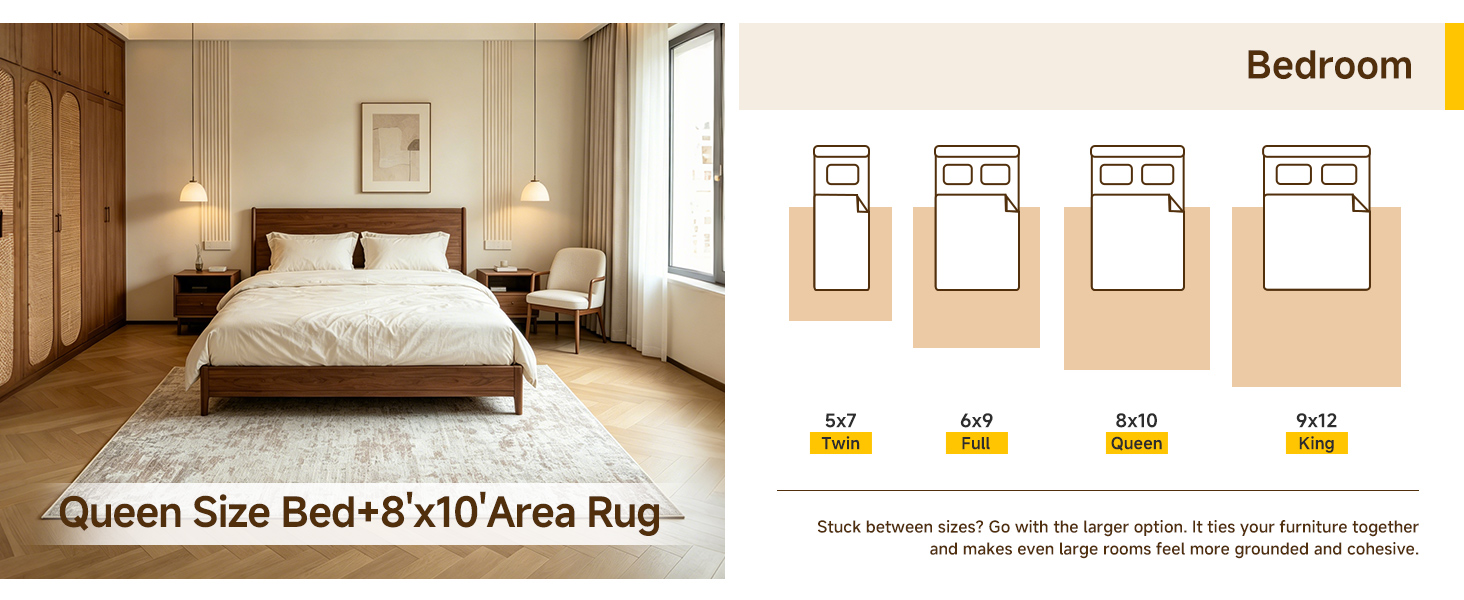
Rooms rarely follow the neat rectangles shown in furniture catalogs. A living room might have a diagonal fireplace eating into one corner, a bedroom could feature a low ceiling slope that makes a standard armoire impossible, or an open-plan area may force you to define zones without walls. The first step is to stop forcing standard dimensions onto these spaces. Instead, measure the floor area in small segments—wall by wall, including offsets, alcoves, and any bump-outs—then mark where doors swing, where radiators protrude, and where natural light falls. This piece-by-piece map will reveal which parts of the room can actually hold furniture and which parts must stay clear for movement.
When choosing pieces for an irregular layout, think in terms of visual weight rather than strict symmetry. A long, narrow room with an off-center window often works better with two medium sofas placed at a gentle angle than with one oversized sectional shoved against the longest wall. For L-shaped spaces, anchor the corner with a round table or a low bookshelf that can be approached from multiple sides, allowing traffic to flow around it naturally. Built-in or modular units become your best friends here—they can be configured to follow a slanted wall, fill a dead nook, or create a partial divider without blocking light. Avoid forcing every piece against the perimeter; sometimes floating a chair or a narrow console just a foot away from a weird angle makes the whole room feel intentional rather than accidental.
Finally, test your layout with painter's tape on the floor before buying anything. Outline the exact footprint of each piece, including clearance for chair legs and cabinet doors. Walk through the room while pretending to open drawers, sit down, and carry a laundry basket. Notice where your elbows hit a sloped ceiling or where a table corner blocks the path to the balcony. Adjust the tape outlines until the flow feels natural from every doorway. Awkward rooms demand more trial and error than standard ones, but the result is a space that fits your actual life instead of a floor plan from a magazine.
The Three-Minute Care Routine That Saves the Palette
Most people assume a watercolor palette needs endless scrubbing to stay usable, but that overzealous cleaning actually wears down the wells and dulls the mixing surface. Instead, grab a soft sponge, dampen it just enough to feel cool against your wrist, and wipe the palette in slow, circular motions. The leftover paint lifts off without scratching the porcelain or plastic, and the whole pass takes less time than waiting for your tea to steep.
After the wipe-down, let the palette sit uncovered for about ninety seconds while you rinse your brush and refill the water jar. That brief exposure to air allows any trapped moisture to evaporate from the corners, preventing that chalky buildup that makes colors turn muddy. If you spot a stubborn stain of opera rose or phthalo blue, don't reach for soap—just dab the spot with a corner of the same damp sponge, then blot it dry with a paper towel.
The final step is purely about placement. Store the palette on its side, not flat, so any hidden water drains away from the wells overnight. Do this after each session, and you'll find the palette keeps its smooth glide and true color mixes without ever needing a deep clean. Three minutes, three habits, and the tools stop fighting you.
Where Online Reviews Hide the Truth About Durability
Most product reviews are written within days of unboxing, when excitement still outweighs evidence. A jacket feels sturdy, a blender blends, a phone screen hasn’t met concrete yet. Durability is a slow reveal, but the review window slams shut long before the seams give way or the battery degrades. What reads as five-star confidence is often just first-date optimism.
Then there’s the quiet editing of experience. Retailers and platforms nudge buyers to rate quickly, sometimes offering points or discounts that tilt the pool toward the easily pleased. Meanwhile, the person whose zipper broke after eight months is less likely to return and write it down—no prompt, no reward, just a shrug. The result is a feed that amplifies the honeymoon phase and mutes the long haul, hiding exactly the information you need most.
Ironically, the most durable products often generate the fewest updates. A cast-iron pan bought five years ago doesn’t prompt a follow-up review, but a flimsy gadget that fails in three months might. So the absence of complaints can be mistaken for proof of quality. To find the truth, you have to dig past the first page, search for “after a year” or “still using,” and treat every early rave as a placeholder, not a verdict.
FAQ
Flip it over and look at the back. A tight, even weave with no loose threads or visible glue lines usually means better construction. Run your palm across the surface too—if the print looks fuzzy up close or the pile feels patchy, that's a red flag. Give the edges a gentle pull; quality binding should not stretch or fray easily.
Polyester and polypropylene blends handle foot traffic well and resist stains, but a cotton flatweave gives a more natural, breathable feel if you don't mind a thinner profile. Wool is the premium choice for softness and longevity, though it costs significantly more. Avoid anything with a slick, plastic-like finish because the print tends to crack after a few months of heavy use.
Many people measure the room but forget to account for furniture placement. In a living room, the front legs of sofas and chairs should sit on the rug, so add at least 60 to 90 centimetres beyond the seating area. For dining rooms, make sure the rug extends far enough for chairs to be pulled out without catching the edge. Always tape out the dimensions on your floor before ordering.
It depends on the dye and printing method. Higher-quality pieces use reactive dyes or heat-transfer printing that holds up to regular light exposure. A quick test is to rub a damp white cloth over a hidden corner—if colour transfers easily, expect fading. Also keep the carpet out of direct afternoon sun, because even good dyes can dull over time.
Vacuum weekly with a low-suction setting and avoid beater bars that can lift printed fibres. For spills, blot immediately with a clean cloth and mild soap diluted in cold water, then pat dry—never scrub the print. Rotate the rug every few months to even out wear, and if you wash it at home, use a gentle cycle with cold water and air dry flat.
These carpets work well in boho, eclectic, and even minimalist spaces when used as a focal point. Keep the surrounding palette fairly neutral—think warm whites, terracotta, or natural wood—so the pattern doesn't compete. Layering a smaller printed rug over a larger jute or sisal rug is another trick that adds depth without overwhelming the room.
Check the back closely. Handwoven pieces often show slight irregularities in the knots and may have hand-tied fringe that varies in length. Machine-printed carpets have a very uniform grid and repeating pattern with no knots visible. If the seller mentions handwoven but the price seems too low, ask for a photo of the back—it usually tells the real story.
Request or find customer photos rather than relying only on studio shots, because printed colours can look very different in real lighting. Check the listed pile height and weight in grams per square metre—anything under about 800 grams usually feels flimsy. Also look for a clear return policy, and if possible, order a small sample or test a corner before committing to a large size.
Conclusion
A bohemian printed carpet of good quality reveals itself in the hidden details, not the showroom photo. The jump from $40 to $200 usually sits in the fiber twist, the backing bond, and how the dye meets the pile. Cheaper rugs lean on loosely spun polypropylene that mats down within weeks and a latex backing that turns brittle after one cold season. Paying more tends to get you heat-set polypropylene or a wool blend with a woven backing that refuses to ripple. Print sharpness works the same way: high-density dye injection locks the pattern in place, while budget printing slowly blurs into muddy smears after a handful of cleanings. Sizing for odd rooms means measuring the longest and widest usable floor space, then pulling back four inches on every side so the rug floats instead of jamming against baseboards.
Longevity isn’t about expensive sprays or deep cleanings. A weekly pass with a suction-only vacuum—no beater bar—plus immediate blotting of spills keeps the colors from turning dull. If a red wine drop sits overnight, the print pays the price. Online reviews hide the truth in vague five-star praise; the useful ones come from people who post six-month photos or admit the rug still looks flat after rearranging furniture. Look for comments about shedding stopping, edges lying flat, or colors surviving a sunny window. A decent bohemian carpet should handle bare feet, pets, and the occasional chair scrape without turning into a frayed museum piece. If the price feels steep, compare it to replacing a cheap rug every season. The math rarely favors the bargain. Finally, order a swatch before committing—bohemian dyes shift dramatically between artificial store light and your living room at dusk.
Contact Us
Contact Person: Ivy Yin
Email: [email protected]
Tel/WhatsApp: +86 18519681805
Website: https://www.sensecomarketing.com/