

Best Used Road Rollers: Top Models and Buying Tips for Your Construction Fleet
2026-05-28
When it comes to expanding your construction fleet without breaking the bank, used road rollers offer a cost-effective solution—if you know what to look for. From iconic models that have proven their mettle on countless job sites to insider tips that can save you from costly mistakes, this guide dives into the top picks and buying strategies that fleet managers swear by. Backed by the expertise of JILIANG CHI, we uncover what truly matters when choosing a machine that won't let you down on the asphalt.
Key Considerations Before Purchasing a Road Roller
When you're in the market for a road roller, it's not just about picking the biggest machine on the lot. The weight and drum size need to match the scope of your projects. A lighter tandem roller works well for asphalt but might struggle with deep soil compaction. Think about where you'll be using it—tight urban streets call for maneuverability, while wide-open highway jobs can handle a larger, heavier model.
Vibration features are another thing that catches people off guard. Some rollers offer adjustable frequencies and amplitudes, which can make a real difference across material layers. More isn't always better, though. Excessive vibration can damage nearby structures or even the freshly laid surface if you're not careful. And then there's the after-purchase stuff—availability of parts, service intervals, and fuel efficiency. A cheaper machine upfront might cost you more in the long run if it guzzles fuel or sits idle waiting for a mechanic.
Don't overlook operator comfort and visibility either. A cab with poor ergonomics leads to fatigue and, eventually, sloppy work. Test drive if you can, or at least check how the controls are laid out. Every extra hour of comfortable operation adds up over a machine's lifetime.
Top Compact Road Roller Models for Versatile Projects
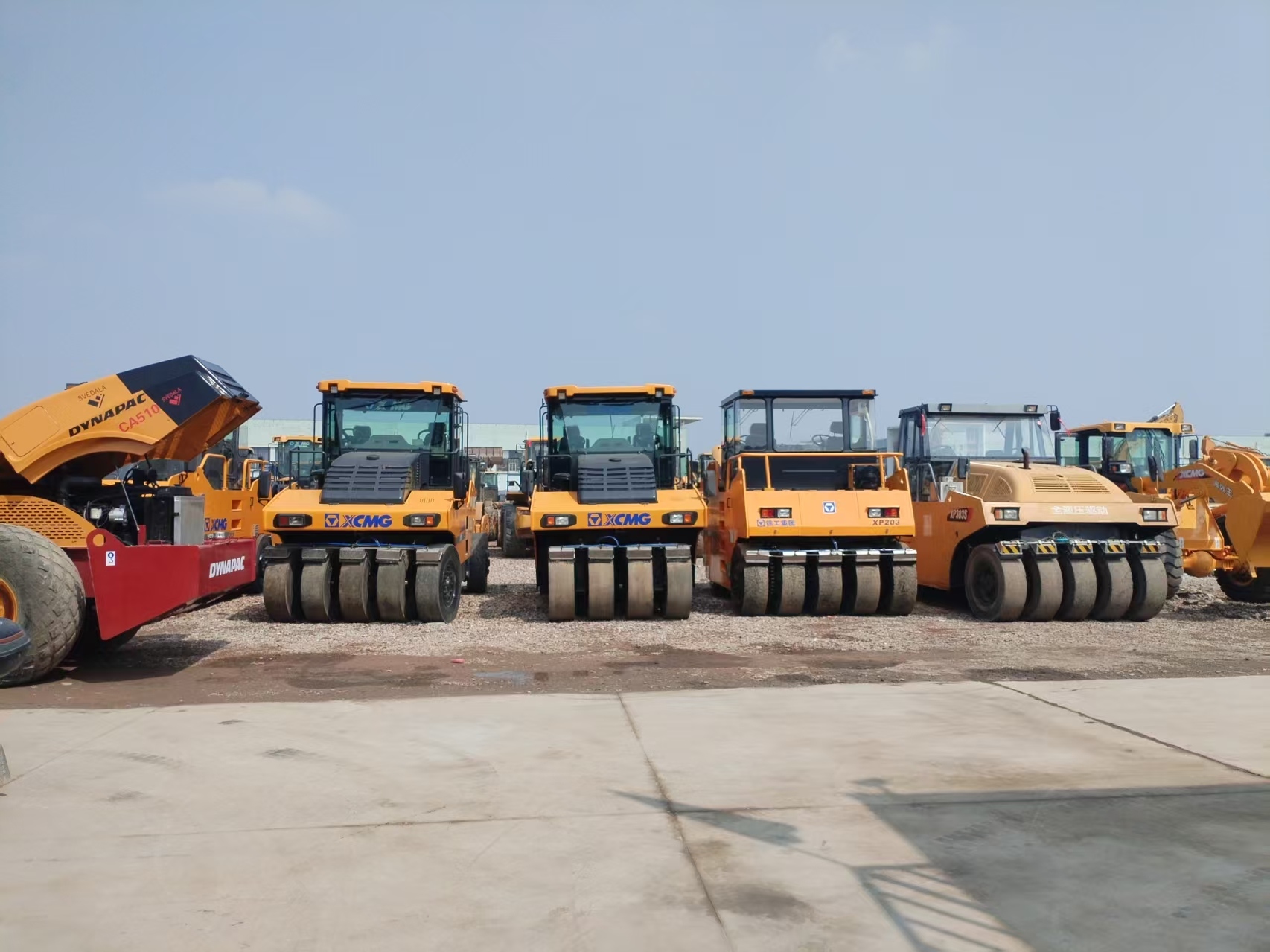
When tackling a mix of asphalt patching, landscaping, and trench work, the right compact road roller can make all the difference. Models like the Dynapac CC1100 VI and the Bomag BW 120 AD-5 have earned a reputation for delivering smooth, consistent compaction in tight spaces where larger machines simply can't maneuver. Their articulated steering and narrow drum widths allow operators to work right up against curbs and around obstacles, while vibration frequencies can be dialed in to match the material, preventing over-compaction on sensitive surfaces.
For operators who frequently switch between soil and asphalt, a roller with a pressurized water system and dual drum drive is a game-changer. The Wacker Neuson RD12A-90, for instance, combines a quiet-running engine with intuitive controls that reduce the learning curve for newer crew members. Meanwhile, the JCB VMT 260-120 stands out for its offset drum capability, which gives the operator a clear line of sight to the drum edge, improving precision on edge work without the need for constant repositioning. These small design touches save time on projects that demand frequent stops and course changes.
Beyond the spec sheets, what truly sets these compact rollers apart is their ability to blend power with finesse. Whether you're compacting sub-base for a bike path or finishing a fresh layer of hot mix in a parking lot, machines like the Hamm H 7i and the Ammann ARS 70 deliver uniform density without leaving drum marks or ripples. Their maintenance simplicity and robust frames mean they keep running season after season, even when bouncing between tight urban sites and rural road repairs. It’s this adaptability that makes them indispensable for contractors who take on a wide variety of paving and repair tasks.
Heavy-Duty Rollers for Large-Scale Pavement Jobs
When tackling expansive paving projects—think highways, airport runways, or sprawling industrial lots—standard rollers simply won’t cut it. Heavy-duty rollers bring the muscle needed to compact thick layers of asphalt or aggregate efficiently. Their robust frames, high centrifugal forces, and wide drums allow operators to achieve target density in fewer passes, directly impacting project timelines. These machines aren’t just about brute force; advanced vibration systems can be fine-tuned to match material specs, preventing over-compaction and surface damage. On a recent interstate rehab, a fleet of 25-ton rollers slashed compaction time by nearly a third compared to mid-tier alternatives, all while maintaining smoothness specs that passenger cars would later appreciate.
The true differentiators in this class are the details that keep productivity high during long shifts. Water-cooled engines run cooler under sustained loads, and pressurized sprinkler systems consistently lubricate drums without clogging—a common headache on dusty jobsites. Ergonomic cabs with rotating operator stations and 360-degree visibility reduce fatigue and unnecessary passes. One pavement foreman we spoke with swears by the crab-walk feature on oscillating models, which lets them wedge onto narrow shoulders without shuttling equipment. Spare parts availability and onboard diagnostics also play an outsized role; a roller out of commission can strand an entire paving train, so many contractors prioritize serviceability over fancy tech.
Selecting the right heavy-duty roller goes beyond drum width and weight. Soil conditions, lift thickness, and mix design all influence whether a smooth drum, padfoot, or combo roller makes sense. On granular bases, a padfoot’s kneading action works wonders, while asphalt surface courses demand smooth drums with proper edge radii to avoid marks. Some contractors hedge their bets with interchangeable drum shells, switching configurations between phases. It’s also worth noting that modern rollers increasingly come with intelligent compaction systems as standard, giving real-time density feedback and GPS mapping—no longer exotic, now an everyday tool for avoiding rework on multi-million-dollar contracts.
Understanding Vibration and Compaction Technologies
Vibration and compaction are fundamental processes that transform loose, unstable soil or granular materials into dense, load-bearing surfaces. At its core, compaction reduces void spaces between particles by applying mechanical force, which can be static weight, dynamic impact, or high-frequency vibration. The choice of method depends heavily on the material type—cohesive soils like clay respond better to kneading and static pressure, while granular materials such as sand and gravel achieve optimum density through vibratory forces that temporarily reduce interparticle friction, allowing grains to reorient and settle into a tighter configuration.
Modern compaction equipment reflects decades of refinement in both design and function. Plate compactors and rammers excel on smaller, confined jobs where maneuverability is paramount, while large vibratory rollers dominate highway and dam construction, using eccentric shafts to generate thousands of rapid impacts per minute. These machines do more than simply pound the surface; they emit precisely tuned frequencies that penetrate deep into the material layers. Effective compaction doesn't just happen at the contact point—it relies on a careful interplay between amplitude, frequency, and travel speed to ensure uniform density from top to bottom, preventing future settlement or structural failure.
Beyond machinery, success hinges on real-time evaluation and an intimate understanding of the material being compacted. Operators increasingly rely on intelligent compaction systems that use accelerometers and GPS to map stiffness variations across a work area, immediately flagging weak zones that need additional passes. However, technology alone isn't enough. Skilled operators still read the material's behavior—how it shifts under load, how sound changes with density—and adjust their approach accordingly. This blend of tactile experience and data-driven insight ensures that every layer meets exacting standards, turning earth into a stable foundation capable of supporting our heaviest infrastructure.
Maintenance Tips to Extend Roller Service Life
Consistent cleaning is the easiest way to keep rollers in good condition. Dust, debris, and old lubricant can build up quickly and cause uneven wear or even surface pitting. A soft brush and a mild solvent are usually all you need—wipe the roller after each shift and you’ll catch small issues before they turn into costly repairs.
Lubrication is often treated as an afterthought, but it makes a huge difference. Over-greasing can blow seals, while too little invites metal-on-metal contact. Stick to the manufacturer’s recommended grease type and interval, and always purge old grease completely when you see discoloration. A regular schedule prevents dry starts and keeps bearings running smoothly.
Don’t overlook alignment and tension. Even a slight misalignment will cause the roller to wear more on one side, shortening its life dramatically. Check belt or chain tension monthly, and use a straightedge or laser tool to verify alignment after any maintenance that disturbs the mounts. A few minutes of adjustment can save you from premature replacement.
Cost-Saving Strategies for Fleet Managers
Fleet managers often overlook the hidden costs buried in underutilized assets. Instead of simply cutting back, start by auditing vehicle usage patterns over the past six to twelve months. Idle equipment, rarely driven specialty vehicles, or overlaps in capacity can quietly drain budgets. By rightsizing the fleet—selling underused units and leasing for seasonal spikes—you align actual needs with operational expenses, trimming both depreciation and maintenance overhead without sacrificing service levels.
Another layer of savings lies in rethinking fuel and maintenance partnerships. Bulk fuel purchasing through regional cooperatives, fixed-cost repair contracts, or renegotiating tire and parts supply deals with multiple vendors can yield significant discounts. Some managers shift to a pay-per-use model for telematics or GPS services, only paying for what they actively monitor. These moves require upfront negotiation but lock in predictable, lower rates that compound over the year.
Driving behavior isn't just about safety—it’s a direct line to cash. Harsh acceleration, excessive idling, and speeding burn through fuel and wear components faster. Installing real-time feedback systems, paired with simple incentive programs for drivers who maintain efficient habits, often reduces fuel spend by 5–10%. The bonus: less frequent brake replacements, tire wear, and roadside calls, keeping the fleet on the road and repair bills in check.
FAQ
Focus on models with high centrifugal force and heavy operating weight, such as the Hamm HD+ 140. Check the drum width and vibration frequency—wider drums and adjustable frequencies speed up compaction. Prioritize machines with documented service histories, especially recent maintenance on the hydraulic system and articulation joints, as these are costly to repair. Also, examine the drum surface for excessive wear or pitting.
Absolutely. The Caterpillar CB534D stands out for its responsive controls and robust build, making it a favorite for asphalt work. The Dynapac CA3500D is known for fuel efficiency and excellent compaction across various materials. For tight turns and small sites, the Volvo DD25B offers great maneuverability. The Hamm 3412 is a solid choice for gravel and soil, with a simple, rugged design that rarely breaks down.
Always check the condition of the drum bearings—grinding noises or leaks suggest problems. Inspect the hydraulic hoses and cylinders for cracks or weeping seals. Engine smoke on startup, especially blue or white smoke, can indicate worn piston rings or valve seals. Also, test the vibration system thoroughly; intermittent vibration or unusual heat in the hydraulic tank might point to pump issues. Don't forget to examine the tires or rubber mounts on the drum drive for uneven wear.
Start by checking the hour meter, but take it with a grain of salt—verify with service records or engine diagnostics if possible. Research typical pricing for the model and year on auction sites and dealer listings. Consider the attachment package: a roller with a padfoot shell or leveling blade adds utility. Factor in remaining life on consumables like drum scrapers and filters. If the machine has had major overhauls on the engine or transmission recently, it might justify a higher price.
Look for rollers from fleet liquidations—they often come with full maintenance logs. Consider buying during off-season months when construction demand dips. Ask for a demonstration, not just a walk-around, and run the roller on a hard surface to feel for dead spots in vibration. Negotiate for a warranty or return period, even if short, to cover immediate failures. Also, factor in delivery costs—a cheap roller located far away might not be a bargain after shipping.
Yes, pull the engine oil and hydraulic oil dipsticks—fluid that's black or smells burnt is a red flag. Open the fuel cap and check for rust or debris inside the tank. Examine the electrical system: corroded harnesses or flickering lights can lead to expensive downtime. Look at the articulation center pin for tightness; excessive play there affects steering precision. Finally, ask for the machine's compaction output history if it was used in production paving—consistent results indicate proper calibration and care.
Conclusion
Investing in a used road roller demands a clear-eyed assessment of your typical project scope, soil and asphalt conditions, and maneuverability needs. Before you buy, examine drum width, static weight, centrifugal force, and the roller's vibration system—features that directly influence compaction depth and efficiency. Many contractors find that compact ride-on rollers with articulated frames deliver surprising versatility on tight commercial sites, pathway jobs, or trench backfill without sacrificing the surface finish. The latest vibration technologies, such as automatic amplitude adjustment and multi-frequency settings, allow even older machines to achieve uniform density across lifts, cutting down on unnecessary passes and fuel burn.
For large-scale pavement and highway jobs, heavy-duty tandem or pneumatic rollers remain the backbone, but their higher purchase price means fleet managers should closely scrutinize service histories, engine hours, and drum shell thickness. Proactive maintenance—greasing bearings daily, monitoring hydraulic fluid cleanliness, and promptly replacing worn scrapers—can easily add years to a machine's life and stave off expensive breakdowns. Smart buyers pair these upkeep routines with cost-saving strategies like standardizing the fleet around one or two brands to simplify parts inventory, negotiating warranty coverage on certified pre-owned units, and timing acquisitions during off-season months when dealer inventories are flush. Ultimately, the sweet spot lies in matching roller specs to the real demands of your projects, ensuring every dollar spent on a used roller translates into reliable production on the ground.
Contact Us
Contact Person: Sally Xiao
Email: [email protected]
Tel/WhatsApp: 086-18221477398
Website: http://www.shjiliangchi.com/