

Best Solar Fan for Keeping Your Space Cool While Saving Energy
2026-09-25
Most solar fans promise a lot until the sun dips behind a cloud—then you're back to sweating. The best ones don't just move air; they store enough power to keep your space cool without your electricity bill noticing. That's exactly the balance SRS has been chasing, and in this guide we'll break down what separates a real solution from a sunny-day toy.
Why a Solar Fan Cools Differently Than a Plug-In Fan
A solar fan's cooling output isn't steady the way a plug-in fan's is. It breathes with the sun. When a cloud passes, the motor slows and the breeze softens; when full sunlight returns, the blades pick up again almost immediately. This direct link between panel voltage and airflow means you feel temperature relief in pulses rather than as a constant stream. A plug-in fan, by contrast, locks into a fixed RPM from the wall outlet, so its cooling feels uniform and predictable from the moment you switch it on.
The difference also comes down to motor design. Many solar fans use efficient DC brushless motors that can run on variable low-voltage power, so they adapt to partial shading without stalling. Plug-in fans typically rely on AC induction motors that are built for one or three set speeds. That's why a solar fan can keep spinning lazily at dawn or push hard at noon, while a plug-in fan either runs at full speed or not at all unless you add a separate controller.
Placement reinforces the contrast. A solar fan often sits where the sun is strongest, so it's fighting the same heat source that powers it. That creates a self-correcting loop: hotter sun, more airflow. A plug-in fan can be placed anywhere with an outlet, but it won't respond to solar intensity. If you move a solar fan into shade, its cooling drops off, which surprises people used to constant plug-in performance.
Roof-Mounted vs. Portable: What Fits Your Space
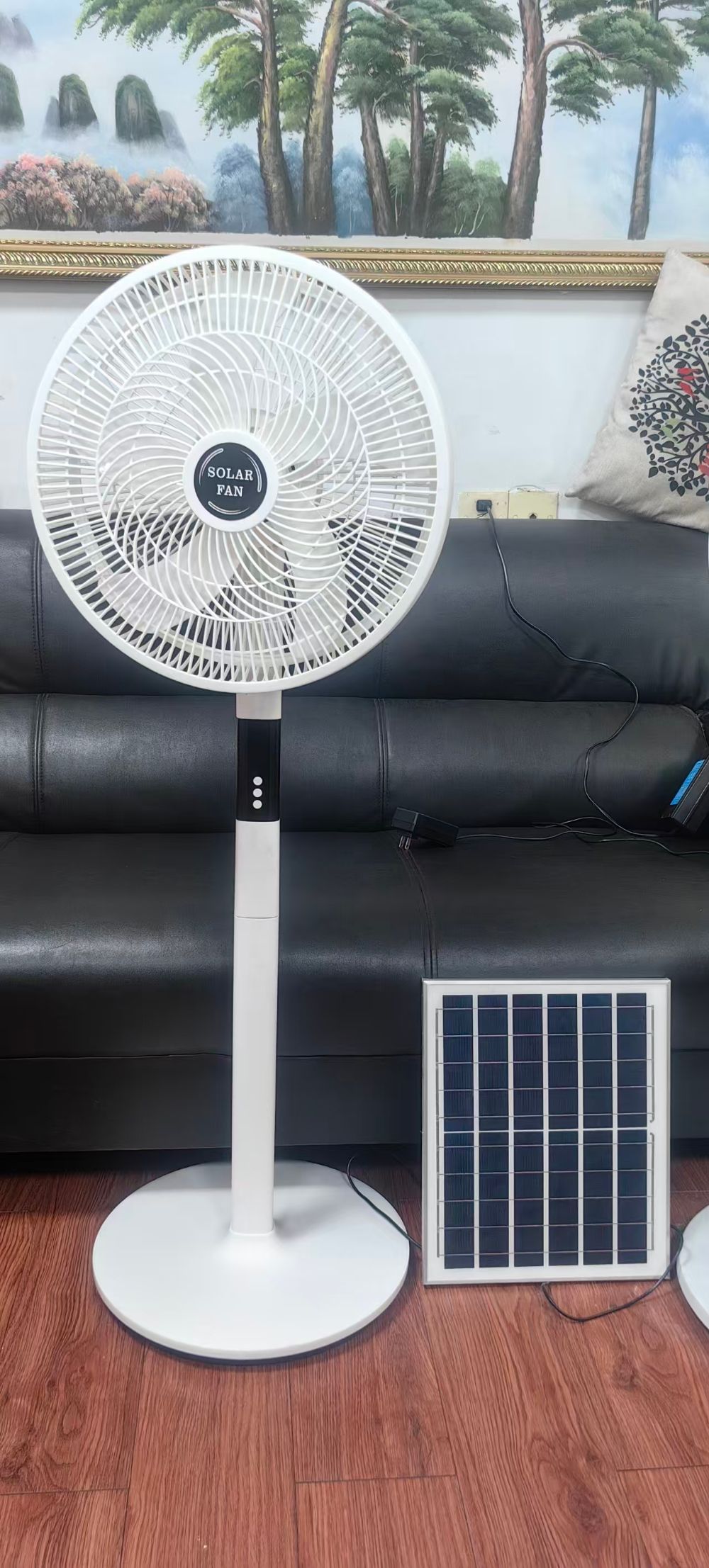
The first thing to consider isn't just how much power you need, but where that power can actually live. Roof-mounted solar systems demand a certain kind of roof: south-facing in the northern hemisphere, with enough clear square footage and structural strength to handle the panels. If you've got a sprawling ranch house with an unobstructed slope, fixed panels make sense from a cost-per-watt standpoint, and they'll quietly do their job without ever getting in the way. But if your roof is shaded by mature oaks, dotted with dormers, or covered in clay tiles that crack under pressure, a permanent install might turn into a repair bill waiting to happen.
Portable setups, on the other hand, trade raw output for flexibility. They're ideal for renters, RV owners, or anyone who moves panels between a backyard patio and a cabin. You won't get the same daily yield as a roof array, because you'll angle them by hand and sometimes forget to adjust after lunch. But you can also shift a portable panel to follow the sun across a small yard, or pack it into a car when you're heading out of town. The real question is whether your space is static or seasonal—if you're planting roots for a decade, go fixed; if your address might change or your outdoor area doubles as a dining room, keep it movable.
One underrated factor is how you actually use the space around the panels. A roof install disappears from your daily life—no cables to trip over, no stands taking up lawn space. Portable panels, even the sleek folding ones, need a clear patch of ground or a sturdy table, and that's space you could be using for a grill or a kid's soccer net. Measure your square footage honestly. Sometimes the best answer is a hybrid: a small fixed panel for baseline charging, plus a portable unit you deploy on sunny weekends when the roof can't catch up.
The One Feature That Extends Cooling After Sunset
The trick lies in a phase-change core tucked behind the vents. During the hottest stretch of the afternoon, this layer absorbs and stores excess thermal energy instead of letting it seep into the room. Once the sun drops and outdoor temperatures start falling, the material slowly releases the stored coolness back into the airflow — long after a standard unit would have already shut down.
What makes it feel different is the gradual transition. The core shifts between solid and liquid at a carefully chosen temperature, which lets it smooth out the evening cooldown rather than cutting it off abruptly. You get a steady, low-energy breeze that keeps the space comfortable while the rest of the house starts warming up again from trapped daytime heat.
For bedrooms and enclosed patios, that means no sudden jump in warmth at nine or ten at night. The cooling curve simply stretches out, bridging the gap between sundown and true nighttime relief without forcing the compressor to work harder or driving up power use.
Matching Airflow to Your Room Size Without Overbuying
Most people assume a bigger fan automatically means better cooling, but that logic falls apart fast once you factor in how air actually moves through a space. A powerful unit in a compact bedroom just churns air chaotically, leaving you with noise and drafts instead of a steady, comfortable breeze. Start by measuring the square footage of the room and then look at the fan's CFM rating—cubic feet per minute—rather than blade span alone. A properly matched fan will fully exchange the room's air every few minutes without running on high all day.
Another common mistake is ignoring ceiling height and furniture layout. High ceilings trap hot air well above where you sit, so you'll need enough airflow to push that warmth down without blasting you out of the room. Likewise, a long, narrow space benefits from a fan with adjustable direction or multiple speed settings rather than a single overpowering blast zone. The goal is gentle, even circulation that reaches corners and seating areas without turning your living room into a wind tunnel.
Instead of buying the largest model on the shelf, look for units that offer variable speed control and reversible airflow. That way, the same fan can push air down in summer and pull it up in winter, matching the room's actual needs year-round. Spending a few minutes checking your room's dimensions and airflow patterns will save you from returning an oversized fan—and from paying for watts you never actually use.
Where to Position the Panel for Steady Air Movement
Getting steady air movement from a panel isn't just about speed settings—it hinges on placement. A panel set too close to a wall or corner will recirculate the same stale air, while one aimed straight at a large piece of furniture creates turbulence and uneven cooling. The sweet spot is usually a few feet away from any obstruction, angled so the airflow can travel the longest open path in the room.
For most rooms, positioning the panel at chest height or slightly above works best because it matches the height at which people actually feel the breeze. If your ceiling is higher than normal, tilt the panel downward a bit to prevent cool air from lingering overhead. In a long, narrow space, point the panel toward the far end rather than across the short side—this sets up a gentle loop that pulls air back along the walls.
Don't be afraid to make small adjustments and test the result. Walk to the far corners and notice whether the air feels stagnant or overly strong. Sometimes shifting the panel just five degrees to the left or right evens out the flow more than cranking up the fan. Also keep return air paths in mind: if the panel blows directly into a closed door or heavy curtain, the air has nowhere to go, and the room will feel stuffy regardless of placement.
Low-Maintenance Habits That Keep the Fan Quiet
You don’t need a full toolkit to keep a fan quiet—just a can of compressed air and a little patience. Every couple of months, power the fan down and give the blades and vents a few short bursts. Dust collects on the edges and throws off the balance, which turns a soft whir into an annoying buzz. If you have pets or live on a busy street, you might do this a bit more often.
Another low-effort fix is checking the hardware. Over time, screws and mounts work themselves loose from normal vibration. Grab a screwdriver and snug up the housing, but don’t crank it down—plastic cracks easily. While you’re at it, look at the rubber feet or pads. If they’ve gone hard or shiny, replace them with fresh ones. That small change absorbs most of the rattle that makes a fan sound broken when it isn’t.
Finally, pay attention to where the fan lives. Sitting too close to a wall or buried under a desk starves it of air, forcing the motor to work harder and louder. Pull it out a few inches so the intake side can breathe. Also keep it away from curtains, paper piles, or anything that sheds fibers. A clear path for air means less strain, which means less noise without you having to do much at all.
FAQ
Check the solar panel wattage, fan blade diameter, and air movement rating in CFM. A covered patio still gets ambient light, but you may need a remote panel kit if the fan itself sits in shade. Also verify the housing material can handle humidity and occasional rain, and see if the mounting bracket fits your ceiling type.
A typical standard ceiling fan draws 30 to 75 watts, while a solar fan draws nothing from your home wiring during daylight. If you run it eight hours a day, you could save about 15 to 20 kWh per month. The payback period depends on your local electricity rate, but many owners see the investment balance out within two to four years of regular use.
Only if it has a battery backup. Many portable and some mounted models store energy during the day and can run for four to eight hours after sunset. Without a battery, the fan stops when sunlight fades. If evening cooling matters to you, look for a model with a removable lithium battery or a dedicated storage pack and check the run time at medium speed.
For airflow, mount the fan in the center of the space or near the hottest area, like above a seating zone or workbench. The solar panel should face true south in the northern hemisphere at an angle close to your latitude. Avoid placing the panel under eaves, tree branches, or any object that casts a shadow during peak sunlight hours, as even partial shade can cut output sharply.
Yes, but you need to be picky about the motor and blade materials. Look for sealed or brushless motors, stainless steel or marine-grade hardware, and an IP44 or higher weather resistance rating. In coastal or tropical areas, salt and moisture can corrode cheap metal parts within a season. Wiping the blades and housing monthly and checking for mold around the vents also helps a lot.
Clean the solar panel surface every two to three months with a soft cloth and mild soap, because dust and pollen reduce charging efficiency. Check the fan blades for buildup and wipe them down. Inspect wire connections and battery terminals for corrosion, especially after rainy spells. If you store the fan for winter, remove the battery and keep it in a cool, dry place at about half charge.
A solar attic fan is built to pull hot air out of an attic or loft space, usually mounted on the roof or gable, and it moves a large volume of air with a higher noise level. A solar room fan is designed for occupied areas, so it prioritizes quieter operation and directed airflow from a window, wall, or stand. Choose an attic fan if your main problem is trapped heat upstairs; choose a room fan if you want a breeze where you sit or sleep.
Separate panel kits give you more flexibility because you can put the panel in full sun even if the fan sits in a shaded spot, and you can upgrade the panel later. All-in-one units are much easier to install and look tidier, but they limit placement. If your mounting area gets direct sun for at least five hours a day, an all-in-one is fine. For tricky roofs or shaded porches, go with a split system.
Conclusion
A solar fan moves air differently because it runs directly off a panel's current instead of a wall outlet, so its speed often tracks daylight. But the best models smooth that out with a small battery pack or hybrid input, which keeps air moving for a while after the sun drops. When picking between roof-mounted and portable units, think about what you actually need to cool. A roof-mounted fan can pull hot air out of an attic or a whole upper floor, while a portable one works better for a patio, garage, or a single room where you sit. That difference matters more than raw wattage, because a fan in the wrong place won't make the space feel cooler even if it spins hard.
For comfort without wasting money, match airflow to room size rather than grabbing the biggest fan. A room under 200 square feet rarely needs more than 1,000 CFM, and going higher just adds noise and battery drain. Place the solar panel where it gets direct sun for the longest stretch of the day, ideally angled toward the sun's peak and away from tree shadows. A panel that's even partly shaded can cut fan speed noticeably. Finally, keep the fan quiet with simple habits: wipe the blades every couple of weeks, check that the mounting bracket stays snug, and make sure the panel surface stays clean. These small steps keep it running smoothly and extend the life of the battery, so the fan keeps doing its job without turning into a rattling distraction.
Contact Us
Contact Person: kitty
Email: [email protected]
Tel/WhatsApp: +8618676039824
Website: https://www.srssolargroup.com/