

Best Food Grade Anti-caking Silica: A Comprehensive Guide for Safe Use
2026-08-03
When it comes to keeping powdered foods free-flowing and clump-free, food grade anti-caking silica is a quiet hero in countless kitchens and factories. But not all silica is created equal — safety, purity, and performance depend heavily on the source. In this guide, we’ll cut through the confusion and show you exactly what makes a top-tier anti-caking agent, with insights from industry leader Zhonglian. Whether you’re a food producer or a curious home cook, you’ll discover how the right silica preserves texture, extends shelf life, and meets strict safety standards — all without compromising on quality. Let’s dive into the science and practical choices that keep your products at their best.
Silica in Your Food: More Than Just a Label Detail
When you scan the ingredients on a box of powdered sugar or a packet of dried soup, you’ve likely noticed silicon dioxide, or silica, listed near the end. It’s one of those components that seems almost too industrial to belong in your pantry, yet it’s surprisingly common. Silica plays a quiet but crucial role: it prevents clumping, keeping your favorite powdered products free-flowing and easy to use. Without it, that container of garlic powder would turn into a solid brick within weeks, thanks to moisture sneaking in. It’s a humble additive, borrowed from nature itself, since silica is basically sand in a highly purified, food-grade form.
But silica’s job goes beyond simply stopping clumps. It also works as a carrier for flavors and nutrients, helping to evenly distribute minuscule amounts of oils or vitamins through a dry mix so every bite tastes the same. In some products, it even helps maintain texture, giving a pleasant mouthfeel to powdered drinks or preventing crystal formation in stored foods. What’s interesting is how much testing goes into something so ordinary: food-grade silica is manufactured with strict particle size limits, ensuring it passes through your system without being absorbed. Your body treats it like a fleeting visitor—no chemical reactions, no buildup, just a smooth exit.
The real story, though, is how this tiny detail on a label connects to larger food trends. As manufacturers swap out synthetic anti-caking agents for what feels like a more natural alternative, silica has stepped up. It’s mined, purified, and processed to meet rigorous safety standards, nestled under the broader umbrella of “generally recognized as safe” by regulatory bodies. Still, seeing “silicon dioxide” can spark suspicion, a reminder that modern food science often dresses up the mundane in intimidating names. Next time you shake a packet of seasoning, you might just appreciate the fine invisible dust that makes it all pour like a dream.
How Anti-caking Agents Like Silica Keep Powders Flowing
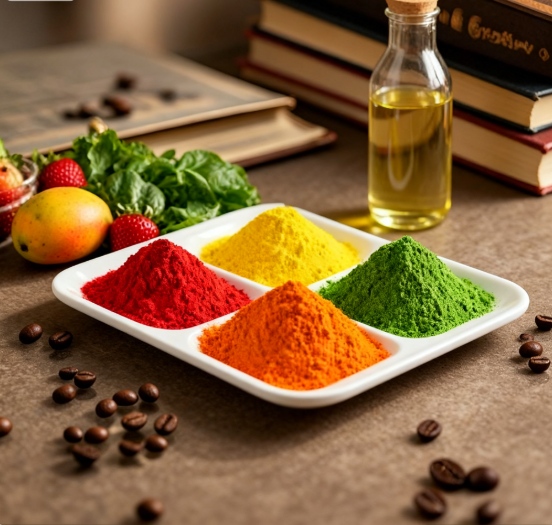
Ever wondered why your powdered sugar doesn't turn into a solid brick? The unsung hero is often silicon dioxide, a form of silica that works at a microscopic level. Its particles are incredibly tiny and porous, with a massive surface area that acts like a sponge for moisture. By absorbing excess water molecules from the air or the powder itself, silica creates a dry environment that stops particles from sticking together. This physical barrier effect means each powder granule remains separate, ensuring a smooth, free flow whether you're sprinkling spices or mixing a cake.
Beyond just soaking up humidity, silica's secret lies in its coating action. Imagine billions of nano-sized ball bearings rolling between larger powder particles—that's essentially what it does. These fine silica particles adhere to the surface of the host powder, forming a thin layer that reduces friction and prevents inter-particle bonding. Even when exposed to slight moisture, the silica acts as a spacer, maintaining distance between sticky substances like cheese powder or instant coffee. It's a simple yet elegant mechanical solution that industries rely on, from food processing to pharmaceutical tablets, where consistent flow is critical for packaging and dosing.
The versatility of silica as an anti-caking agent also comes from its ability to work without altering taste or appearance. Unlike some alternatives, it's chemically inert, so it won't react with the powder or unleash unwanted flavors. Its fine particles are often smaller than the host powder's, meaning they blend invisibly, preserving the original texture and color. For manufacturers, this is a game-changer: silica can turn a clumpy, unreliable material into a stable, free-flowing product that stays consistent from factory to kitchen cupboard. It's a behind-the-scenes fix that makes modern convenience foods and supplements possible, proving that sometimes the smallest additions have the biggest impact.
Navigating Food Safety: Approved Uses and Limits
Food safety regulations can feel like a maze, but understanding approved uses and limits is the first step toward compliance without the guesswork. Rather than treating these guidelines as bureaucratic hurdles, it helps to see them as practical boundaries shaped by real-world risk assessments. Every approved additive or processing aid has a story—often rooted in years of toxicological studies that map out exactly how much is too much.
The concept of 'acceptable daily intake' isn’t just a number on a chart; it’s a moving target that reflects evolving science and dietary habits. When regulators set maximum residue limits for pesticides or veterinary drugs, they’re juggling average consumption patterns with safety buffers that protect even the most vulnerable groups. Getting comfortable with these thresholds means looking past the jargon and recognizing that limits aren’t arbitrary lines—they’re carefully placed tripwires designed to catch potential risks long before they reach consumers.
Where many food businesses stumble is in assuming that approved equals unlimited. Even generally recognized as safe (GRAS) substances have their quiet constraints, often tucked away in good manufacturing practice clauses. The real art lies in weaving these technical boundaries into day-to-day operations without stifling innovation. Smart teams treat limits not as ceilings but as guardrails that keep creativity on track, using them to build consistent quality systems that earn trust without slowing down the pace of development.
From Spice Blends to Protein Powders: Where Silica Shines
Spice blends live and die by their pourability. Ever wrestled with a clump of garlic powder that refused to budge? That's where silica steps in, coating each particle so they glide past one another like tiny ball bearings. It keeps your chili seasoning flowing freely even on humid summer days, making sure you don’t end up with a paprika brick at the bottom of the jar.
Switch lanes to protein powders and the challenge shifts from clumping to mixing. Silica doesn't just stop the powder from turning into a solid mass in the tub; it also helps that scoop of whey dissolve into your shaker cup without leaving behind chalky lumps. It's a quiet enabler, letting you focus on your workout instead of chewing your post-gym drink.
The real magic, though, is how it pulls double duty. Beyond flow and anti-caking, silica acts as a carrier for liquid flavors and nutrients, turning them into easy-to-handle dry forms. That's how your lemon-herb seasoning stays zesty and your creatine powder remains stable, all thanks to a mineral that most people have never even heard of.
Separating Fact from Fiction on Silica and Health
Silica is one of the most abundant minerals on earth, and it’s a key component of everything from sand and stone to concrete and ceramics. Because of its widespread presence in construction, mining, and manufacturing, discussions about its health effects often swing between alarm and dismissal. The reality, as with many occupational hazards, lies in the details—type, dose, and duration of exposure matter enormously. Crystalline silica, particularly in the form of respirable quartz dust, poses a genuine risk when inhaled over time, but understanding the specific conditions that lead to harm helps cut through the noise.
A common misconception is that any encounter with silica is dangerous, but the body can clear occasional, low-level exposure without lasting damage. The trouble starts when tiny particles bypass the upper airways and settle deep in the lungs, triggering inflammation and scarring. This process doesn’t happen overnight; it’s typically the result of years of breathing in high concentrations, often in poorly controlled workplaces. By contrast, amorphous silica, such as that found in diatomaceous earth or food-grade additives, lacks the same crystalline structure and generally carries a much lower risk profile. Recognizing these distinctions is crucial for both workers and the public.
Rather than stoking undue fear, the focus should be on practical measures that dramatically reduce harm. Modern dust suppression, proper ventilation, and the use of respirators when needed have made it possible to work with silica-containing materials safely. Regular health surveillance for those in high-exposure jobs further ensures early detection of any lung changes. The conversation about silica and health doesn’t have to be binary—it’s about managing a well-understood risk with tools that are already at our disposal.
Selecting High-Purity Silica: What to Look For
When evaluating high-purity silica, the first thing to scrutinize is the elemental composition. Even trace amounts of metals like iron, aluminum, or titanium can ruin sensitive applications. Trustworthy suppliers provide a detailed certificate of analysis, often with purity levels exceeding 99.99%. Don’t hesitate to ask for third-party test results if something seems off—it’s your end product on the line.
Particle size distribution and morphology matter more than most realize. For precise formulations, you’ll need consistency batch after batch. Spherical particles with a narrow size range often outperform irregular shapes in flowability and packing density. Request samples and run your own quick sieve analysis or microscopy check—it saves headaches later.
Finally, consider the source and processing method. Natural quartz processed through rigorous acid leaching and thermal treatment can yield exceptional purity, but synthetic options might offer greater control. Ask about the feedstock and purification steps. A transparent supply chain usually indicates a supplier that stands behind their material, and that confidence translates directly to your work.
FAQ
It’s a super-fine powder made from silicon dioxide, specifically processed to meet purity standards for food. The tiny particles coat individual food particles, reducing friction and preventing them from sticking together by absorbing moisture and creating a barrier. This keeps powders like spices or coffee creamer flowing freely.
Yes, when used as intended, it’s widely recognized as safe by agencies like the FDA and EFSA. The silica passes through the digestive system without being absorbed. The main concern is inhalation of the fine dust during handling, which can irritate the lungs, so it’s wise to wear a mask when working with large amounts.
You’ll find it in dry mixes like cake and pancake flours, powdered sugar, coffee creamers, seasoning blends, and even grated cheese. It’s also used in supplements and powdered drink mixes to keep them from clumping in the container.
Look for product purity—99.5% silicon dioxide or higher is typical. Check the particle size; finer powders offer better coverage but can be dustier. Certifications like FCC (Food Chemicals Codex) compliance give extra assurance. For home use, small resealable bags are convenient, while commercial users might prefer bulk options with technical data sheets.
Absolutely. A tiny pinch can revive clumpy spices or keep your homemade powdered sugar from turning into a brick. Start with about 1-2% by weight of the dry ingredient, mix thoroughly, and adjust as needed. Store the main container tightly sealed and use a small brush or spoon to avoid creating dust clouds.
Keep it in a cool, dry place away from direct sunlight, ideally in an airtight container. Because it’s a powerful desiccant, exposure to humid air will cause it to absorb moisture and lose its free-flowing ability. If it does get damp, it can’t really be dried out and reused effectively, so it’s best to work quickly when handling it.
Conclusion
Food-grade silica does much more than sit in the background of an ingredient list. This fine white powder, essentially pure silicon dioxide, acts as a stealthy workhorse that prevents clumps and ensures even flow in everything from dry soup mixes to powdered sugar. Without it, your favorite spice blend might turn into a rock-hard brick after a few weeks on the shelf. The way it works is surprisingly simple: the tiny, ultra-porous particles coat larger particles and absorb excess moisture, functioning like microscopic ball bearings that let powders glide past one another. Regulators worldwide, including the FDA and EFSA, have carefully evaluated its use and set clear limits—up to 2% by weight in many foods—so what reaches your plate is both effective and well within safety margins. Whether you’re shaking paprika onto popcorn or blending a protein shake, the clump-free texture you enjoy owes a lot to this humble additive.
There’s a fair bit of confusion about whether silica belongs in food at all, but separating fact from fiction comes down to understanding particle size and purity. Worries often trace back to crystalline silica, a known respiratory hazard in certain occupational settings, but food-grade silica is amorphous—its molecular structure makes it fundamentally different and far safer. The body simply passes it through the digestive tract without absorbing it. Still, not all silica is created equal: manufacturers looking for the best performance and safety profile seek out high-purity, food-grade sources that are free from contaminants like heavy metals. Third-party testing, certificates of analysis, and supplier transparency become key tools in that selection process. From a dusty spice factory to the final shake on your eggs, silica quietly bridges the gap between raw ingredients and a smooth, consistent mealtime experience.
Contact Us
Contact Person: Levin Wang
Email: [email protected]
Tel/WhatsApp: 8618668999988
Website: https://www.silicaplant.com/