

Best First Aid Box Company: What to Look for Before You Buy
2026-09-13
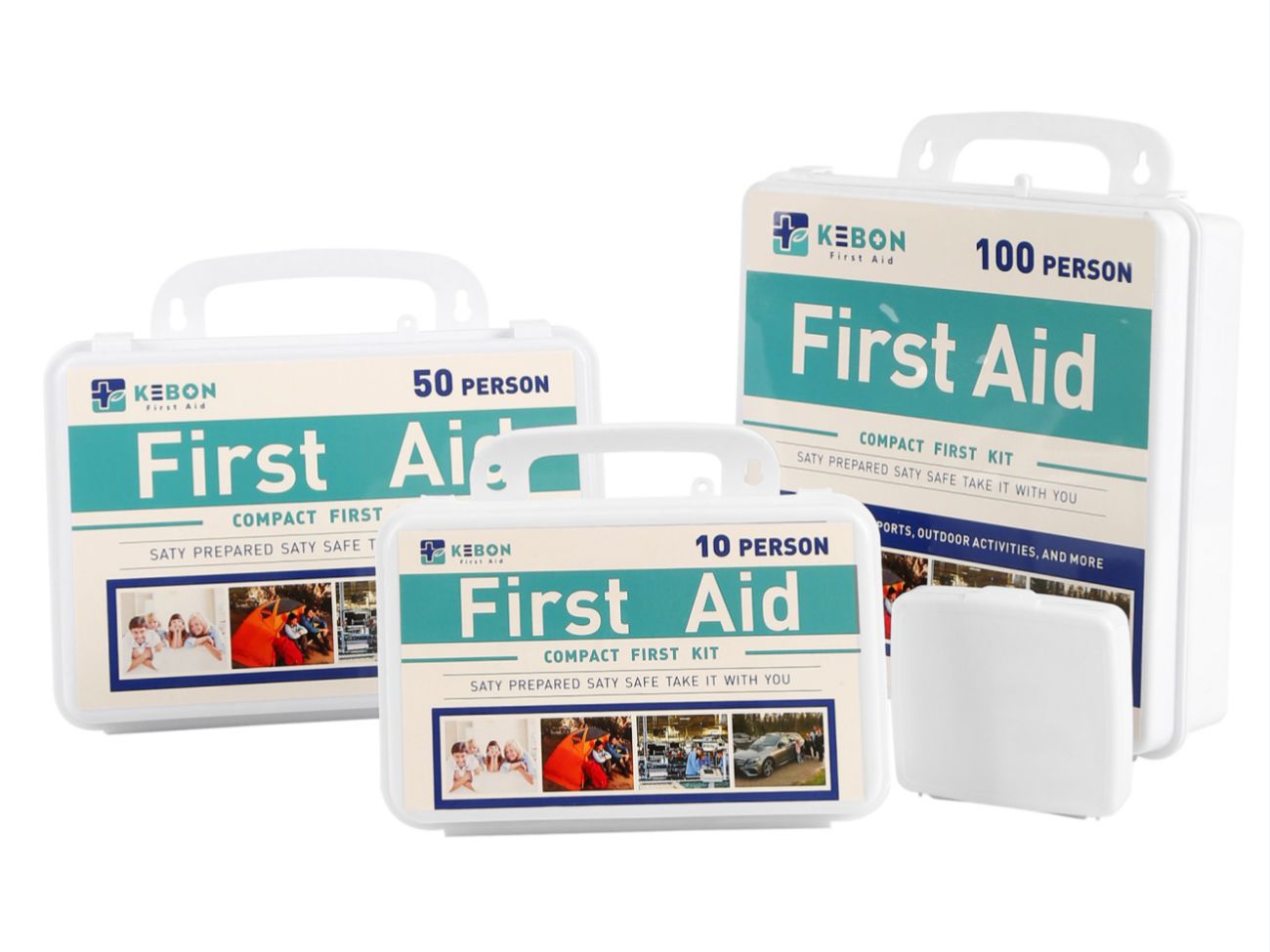
Finding a reliable first aid box isn't just about ticking a safety checklist—it's about trusting that the supplies inside won't let you down when seconds matter. Many companies offer kits, but few combine sturdy construction, clear organization, and genuinely useful contents. Before you settle for a generic box from the nearest shelf, ask yourself: does it have what you'd actually need in a real emergency, or is it just another plastic case with bandages you'll never use? That's where Kebon comes in—a brand built around thoughtful design and practical essentials. In this guide, we'll walk through the key factors to weigh before you buy, so you can choose a first aid box that's more than a box. It's your first line of defense.
Check the Certifications Before You Trust the Box
A shiny carton may show a cluster of badges that look official at first glance, but some of those marks are little more than artwork. Brands know shoppers look for trust signals, so a “certified” stamp without an issuing body or a standard number deserves skepticism. Real certifications come from independent organizations that actually test products or audit facilities—UL, NSF, USDA Organic, Fair Trade, and Energy Star are a few that maintain public registries.
Before you rely on a logo, take the extra step of checking the issuer's database. Most credible programs let you search by product name, company, or license number, and the current status should match what's on the shelf. If a certification was revoked, expired, or applies to a different item in the same line, the box can still look convincing while the database tells another story.
Pay attention to the small details too. Faded colors, missing registration marks, or a certification body you can't find outside that one package are all red flags. Ignore front-of-package claims and look for the full name of the certifier, then search for that organization independently. If the only trace of the group is the badge on the box, you're probably looking at decoration rather than assurance.
A Sturdy Case Beats a Pretty One Every Time
If you’ve ever watched a phone slip out of your hand and bounce off the pavement, you already know the truth: a case that can take a hit matters more than one that just looks good on Instagram. Pretty patterns and slim profiles are nice until the first drop leaves a spiderweb of cracks across your screen. That’s when you realize durability isn’t a bonus—it’s the whole point.
I’ve tested dozens of cases over the years, from sleek leather folios to chunky rubber bricks. The ones that survive are rarely the prettiest. They’re the ones with reinforced corners, raised bezels, and materials that absorb shock instead of just decorating it. A clear case might show off your phone’s design, but after one fall, you’ll be covering up a shattered back with a sticker. A sturdy, utilitarian case? It just keeps working, looking the same as the day you bought it.
Think of it like car tires. You don’t buy tires because they’re decorative—you buy them because they grip the road and keep you safe when things get rough. Your phone case is no different. Beauty fades, scratches accumulate, but a case built to protect will outlast every trend. Choose the one that can take the hit, not the one that just looks like it can.
Not All Bandages Are Created Equal
Walk down any pharmacy aisle and the sheer variety of adhesive bandages can feel oddly overwhelming. It’s tempting to grab whatever box is cheapest or most familiar, but the truth is that the thin, plastic strip you’d put on a paper cut won’t do much for a blistered heel or a post-surgical incision. The backing material alone changes everything: woven fabric moves with your skin and holds up to repeated flexing, while rigid plastic offers almost no give and tends to peel at the edges the moment you bend a knuckle. Then there’s the adhesive—some are designed to grip oily or sweaty skin, others are gentle enough for fragile, healing tissue. Choosing wrong isn’t just an inconvenience; it can slow healing or irritate the surrounding area.
A bandage’s absorbency and breathability matter just as much as its stickiness. For a wound that’s still weeping, a breathable, non-adherent pad keeps the area from turning into a damp, bacteria-friendly pocket. On the other hand, a fully waterproof seal can trap too much moisture if left on for days, even though it’s handy for showering or washing dishes. It’s worth reading the small print on the box—terms like “low-adherent,” “hydrocolloid,” or “silicone adhesive” aren’t marketing fluff. They tell you whether the bandage will cushion a scrape, wick away fluid, or stay put through a workout. The right choice depends on where the injury is, how much it moves, and what your skin tolerates.
Custom Kits Save More Than Space
Off-the-shelf bundles often force you to pay for items you'll never touch, leaving drawers cluttered with redundant tools and half-empty boxes. Custom kits flip that logic: you choose exactly what goes in the case, so every slot earns its place. The result isn't just a tidier workspace—it's a faster workflow. When you're not digging through layers of unused accessories to find the one bit you actually need, setup time drops and frustration follows suit.
There's a quieter advantage too, one that rarely makes it into the spec sheet. A kit assembled around your specific tasks carries a kind of muscle memory. You reach for the same tool in the same corner every time, and that repetition breeds speed. It also changes how you maintain your gear. When each component was deliberately chosen, you notice wear sooner, replace parts before they fail, and stop treating consumables as disposable afterthoughts.
The space saved on the shelf is almost a side effect. What you really gain is mental bandwidth—no more scanning a wall of generic options or second-guessing whether you brought the right attachment. A custom kit answers those questions before you even ask them. It's not about having less; it's about having only what works, arranged so it works harder.
Restocking Shouldn't Be a Hassle
Few things eat up a workday like chasing down supplies that should have been reordered last week. Restocking shouldn't mean digging through spreadsheets, guessing at quantities, or realizing you're out of a best-seller right when a customer asks for it. The moment your inventory updates itself based on actual sales, you stop reacting and start planning.
The problem with manual restocking isn't just the time it takes—it's the quiet mistakes. Over-ordering ties up cash in boxes that sit in the back room. Under-ordering sends shoppers elsewhere. A smarter approach tracks what moves, when it moves, and how long it takes to arrive, so the next order feels less like a chore and more like a simple confirmation.
When restocking becomes automatic, the daily noise fades. You get low-stock alerts that actually reflect your pace, suggested quantities you can adjust in one click, and a clear view of what's coming before you run low. That frees you to focus on the people in front of you instead of the shelves behind you.
The Price Tag Rarely Tells the Whole Story
A shelf price is only the opening line of a much longer conversation about cost. The sticker on that blender might say $79, but it stays silent about the replacement blades you'll need in a year, the electricity it draws every morning, or the frustration of a motor that burns out just after the warranty expires. Think of the so-called cheap printer: the box is a bargain until you discover the ink cartridges cost more than a decent dinner and last half as long.
Then there's the value that never shows up on any label. A slightly pricier pair of boots made from full-grain leather might cost double at the register, but they'll likely outlast three pairs of fast-fashion alternatives. The same logic applies to software, furniture, even groceries. You aren't really paying for the object in your hand—you're paying for the years of use, the avoided repairs, and the quiet confidence that comes from not having to replace it twice.
So before you let a low number make the decision for you, ask what the tag isn't telling you. What does maintenance look like? How long will it really last? Will it still work the way you need it to in eighteen months? The honest price of a thing is always written in the long run, and that's a story no shelf sticker has ever bothered to tell.
FAQ
Look for high-impact plastic or powder-coated metal. Plastic should feel thick and not flex too much when you press the sides, while metal needs a smooth finish without rough edges that could rust. Avoid flimsy latches and hinges that snap after a few uses.
A well-designed box has dividers that can be adjusted or removed, not just molded compartments that force you to work around them. Check that there's enough room for bulky items like bandages and cold packs without crushing smaller packets. Some boxes include clear pouches or labels, which help during an emergency.
Yes, but don't stop at a logo. In many regions, a workplace first aid kit should meet ANSI/ISEA Z308.1 or an equivalent local standard. For home use, certification matters less than realistic contents. If a company claims compliance, ask which version and class the kit meets—older stock may not reflect current guidelines.
It depends on where you'll use it. Wall-mounted boxes keep supplies visible and in a fixed spot, which is ideal for offices, workshops, or kitchens. Portable boxes with a sturdy handle are better for vehicles, job sites, or family outings. If you need both, choose a portable box that also includes a wall bracket.
Check whether the company offers replacement parts like latches, dividers, or seals. A warranty that covers the box itself for at least a year is a good sign, but pay more attention to how easy it is to reach a real person. If they only sell through third parties and offer no direct contact, that can be a red flag.
Pre-filled boxes save time and are often cheaper than buying items individually, but the quality of included supplies varies. Empty boxes let you customize contents for specific risks—like burns, allergies, or outdoor injuries. If you go pre-filled, open it and check expiration dates; some kits sit in warehouses for years before shipping.
Look for third-party reviews from people who have used the box in real settings, such as industrial facilities, schools, or outdoor programs. Pay attention to comments about hinge durability, latch strength, and how the box holds up after being dropped. A company that has been supplying to businesses or government agencies for several years is usually safer than one that only sells online with glowing but generic testimonials.
If the box will live in a garage, vehicle, or outdoor shed, a rubber gasket or overlapping lid helps keep out dust and moisture. For indoor use, a basic latch is fine. Be wary of boxes that claim to be waterproof but have no visible sealing strip; they may only resist light splashes.
Conclusion
A first aid box might look complete on the shelf, but its real value hides in details you won't notice until an emergency strikes. Start with certifications — if the box or its contents lack approval from recognized health and safety bodies, you're buying false confidence. The case itself matters more than any sleek design: a sturdy, crush-resistant shell with a secure latch keeps supplies sterile and intact in rough conditions, while flimsy plastic cracks under pressure. Then open it up and examine the bandages. Not all are created equal; cheap adhesive strips lose grip after a few minutes, and gauze that frays can leave fibers in a wound. Look for medical-grade materials that actually stick and hold up to real use.
Beyond the basics, a smart buyer checks how easily the kit fits real life. Custom kits save more than space — they let you match supplies to your workplace, family size, or outdoor risks instead of paying for items you'll never use. Restocking shouldn't be a hassle: the best companies offer straightforward refill packs or subscription services, so you don't have to hunt down odd-sized components every few months. And don't let the price tag fool you. A cheap box with poor contents costs more in the long run, while an overpriced one might just be paying for branding. Compare what's inside, check the quality of each item, and pick a company that stands behind its product instead of one that only looks good in photos.
Contact Us
Contact Person: Andy Yu
Email: [email protected]
Tel/WhatsApp: +86 19858933676
Website: https://www.kebonfirstaid.com